What to Check Before Buying a Sofa You Cannot Sit On: A Singapore Guide to Sofa Beds
Most sofas are chosen for the hours you spend sitting on them. A sofa bed asks for something different: it must earn its place during the day and perform properly at night. In a compact Singapore home, that means checking sleeping comfort, storage, dimensions, access routes, and the way the mechanism changes the room—not merely the fabric swatch.
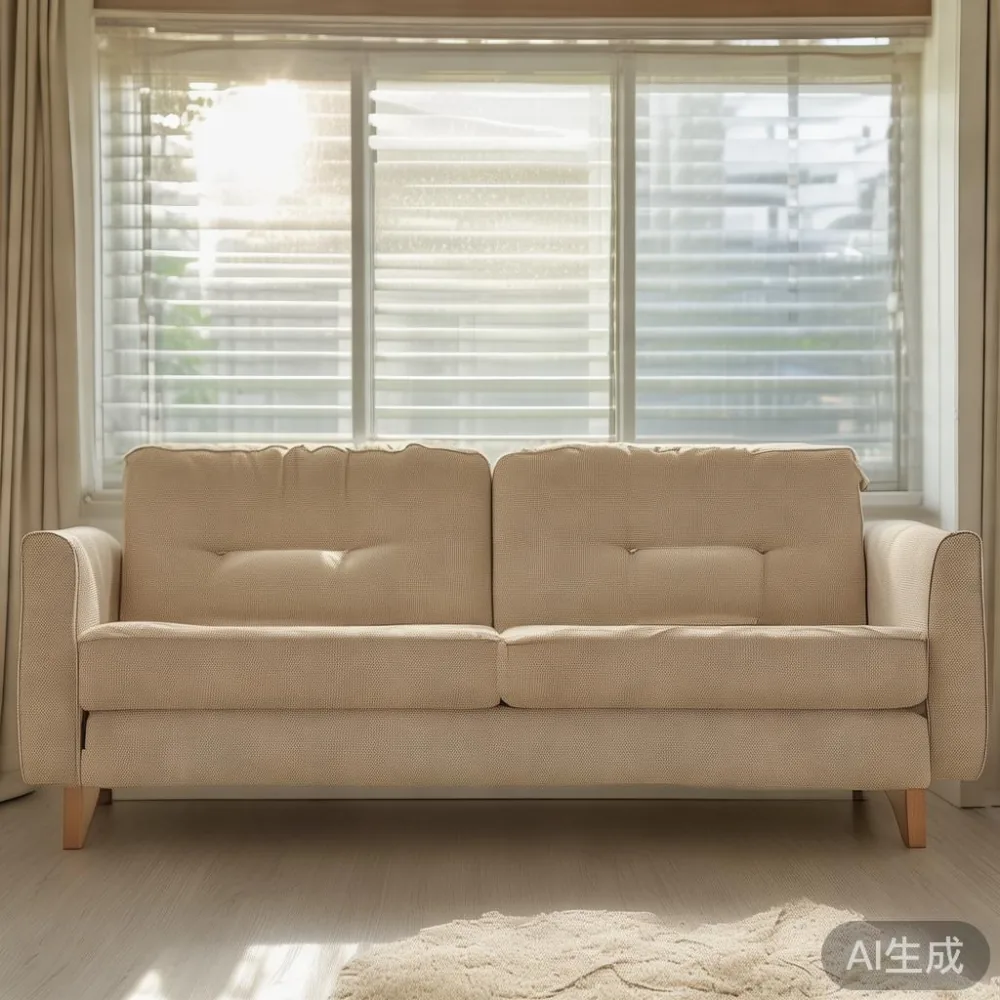
I tested a convertible sofa bed last month in a Tampines HDB flat. Its showroom position looked generous, but the folded mattress projected 18 cm beyond the front edge, and my colleague could not manoeuvre it through a 78 cm doorway without turning it on its side. The lesson was practical: a sofa bed that cannot enter the lift, pass the corridor, or fit its intended footprint is not a useful sofa bed.
This guide explains what to check before buying furniture that will usually be used more like a bed than a conventional seat. It is particularly relevant for HDB flats and condos in Tampines, Bedok, and Punggol, where space planning begins at the lift lobby rather than the living room.
What size sofa bed do you need for an HDB flat or condo?
<Begin with the sleeping surface, not the width of the sofa in the catalogue. Standard mattress sizes in Singapore include 90 cm by 190 cm for a single bed and 140 cm by 190 cm for a double bed, but some sofa beds use different dimensions. Ask for the usable mattress measurement, including the gap between cushion sections when closed.
For a single sleeper, a sofa with a minimum 95 cm internal sleeping width gives some shoulder and movement room. A double sleeper should look for at least 145 cm. Length is often less of an issue for adults than width, although anyone over 190 cm tall should test whether their feet remain supported. The sleeping height also matters: approximately 35–45 cm is easier to sit on and stand from than a surface close to the floor.
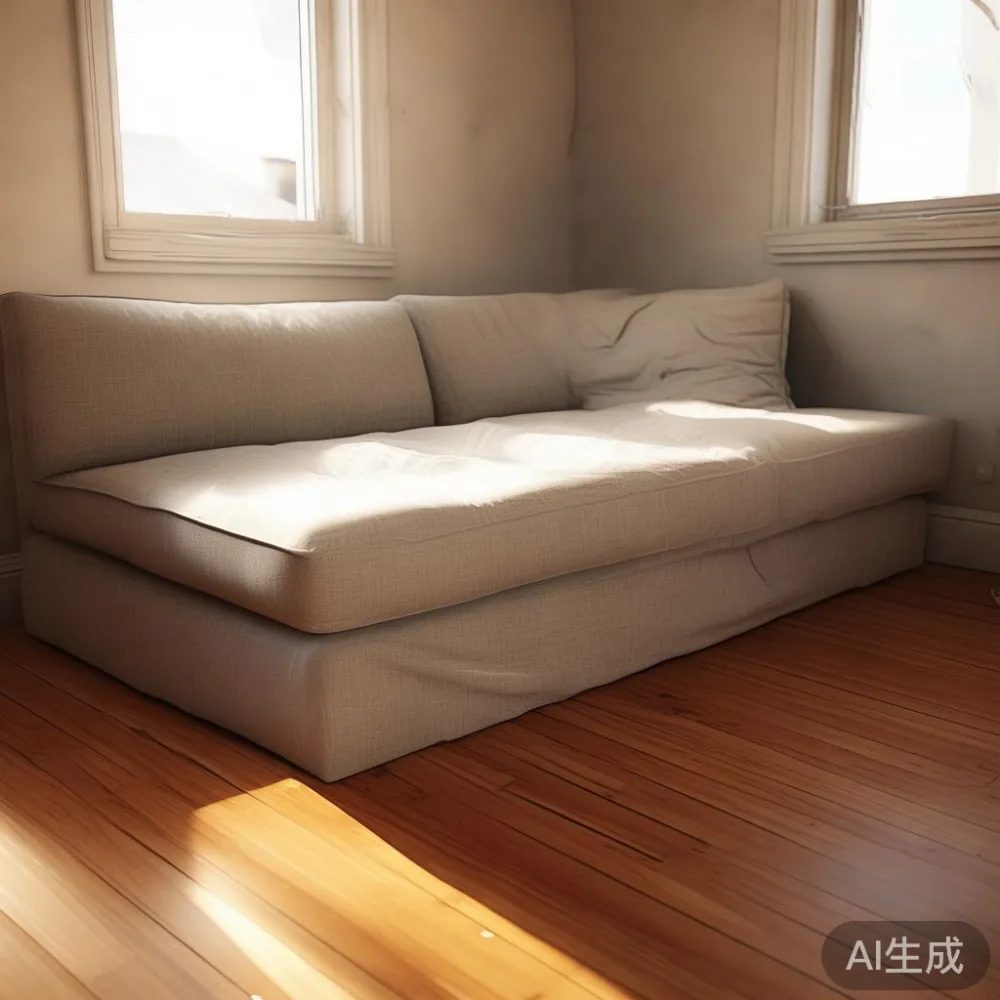
Next, measure the room with the sofa bed both open and closed. Allow 60–90 cm in front of the extended mattress if someone walks past while it is open. Keep 5 cm between the sofa and curtains, and check whether the backrest needs to recline against a wall. A 220 cm-wide sofa may fit across a living room wall but still block the television or a balcony door.
Singapore’s housing sizes make this more than a visual concern. A 90 cm sofa bed can work in an HDB living room, but the larger the model, the more its daily use becomes a space-management exercise. Draw the furniture at scale on a floor plan, then photograph the proposed position from the doorway. Mark the open footprint in tape on the floor before ordering.
Can the sofa bed pass through the lift, corridor, and doorway?
Measure the route before choosing a sofa bed. For a high-rise block, ask your building management for the usable dimensions of the passenger lift, including the door opening and any internal corners. For landed or low-rise homes, inspect the porch, staircase turn, and front door. A common planning error is comparing only the item’s largest dimension with the door width; depth, diagonal movement, and hand clearance also count.
A sofa measuring 205 cm wide by 95 cm deep may need to enter through an 80 cm door. If it separates into modules, each module may be manageable. If it has a fixed solid wood bed frame, ask whether the back or arms can be removed and whether those parts are intended to be detached by the customer. A removable back can reduce the transit depth, but it must not weaken the locking system.
Here are measurements worth recording:
- Usable lift door width: often 80–90 cm in residential buildings.
- Corridor width: ideally at least 100 cm for a straight route; watch for narrower corners.
- Door or gate clearance: record the narrowest point, not the widest.
- Package dimensions and weight: request the carton measurements for every module.
- Carrying distance: include the lift lobby, hallway turns, and the final threshold.
Also check whether the lift has a protective floor pad and whether the delivery team needs a booking. Heavy models can require two or three handlers. For a fixed-frame sofa bed weighing 80–130 kg, two people and lifting straps may be necessary. Confirm that the supplier can provide an attended delivery service, because a curbside drop does not solve the last 20 metres inside a condo.
What should you test before buying a sofa bed?
Sit on the sofa bed for 15–20 minutes, then convert it into a bed and lie down for at least 10 minutes. That short sequence reveals more than a polished showroom demonstration. Check whether the seat cushion sags, the backrest is comfortable, and the extended surface feels level. Two separate cushions may create a ridge in the centre; a continuous mattress or a shallow central gap is usually easier to sleep on.
Operate the mechanism several times without assistance. Look for smooth movement, secure locking tabs, rounded pinch points, and a stable surface. The folding mechanism should lock before use, and the hinge should not be accessible where a child might pinch fingers. Cotton or linen covers can help with grip, but a webbing foundation should still support the mattress evenly.
My colleague tested one pull-out model in a Bedok condo. The mechanism worked well, yet the cushion had shifted during the third conversion and reduced the usable width by 6 cm. I learned to check not only the bed’s dimensions when new, but also whether alignment straps or a non-slip mattress pad keep the sections in place after repeated use.
Also test the side used for sitting. A bed frame is valuable for storage and sleep, but the sofa must remain comfortable for breakfast, work, and evenings. In a compact flat, that often means choosing a firmer seat, a supportive back, and armrests at a sensible 58–65 cm height. If you plan to work there daily, include a lumbar cushion rather than relying on a very soft seat that becomes uncomfortable after 45 minutes.
How much space does the sofa bed need when fully opened?
Closed and open dimensions should both appear in the product specification. Ask for a top-down drawing with the mechanism extended. Some folding sofa beds pull forward by 45–60 cm, while click-clack models sit higher but retain their footprint. A vertical fold-back model may preserve floor space but place the sleeping surface at an awkward 85–110 cm height.
For nightly use, remove the coffee table from the area. A 100 cm-long dining table may appear capable of sharing the room, but it still limits movement and can leave nowhere for a chair to pull out. For a Modern light luxury dining table arrangement, keep at least 75–90 cm between the table edge and the extended sofa bed, provided the room is large enough.
Consider side-table reach as well. A drink placed on the floor can become a spill risk. A small 40 cm nightstand can be useful beside a guest area, but it must not interfere with the fold-out mechanism. In a study of related planning questions, such as how to style Japandi wardrobe in room, the same principle applies: circulation paths should remain visible and usable rather than being crowded by every furnishing at once.
Storage is another hidden space consumer. A sofa bed may include a 30–60 cm-deep compartment, but its access can conflict with the daily seat. Gas-lift storage is convenient, while a simpler front-opening compartment often uses the space more efficiently. Ask for the internal dimensions and whether the mattress can remain in place while you access stored bedding.
Can you reach the sofa bed safely at night?
A guest sofa bed in a condo may sit near a wall or beside a window. Leave a 70–90 cm route to the nearest bathroom and avoid positioning the bed where someone must step over its extended frame in darkness. Warm-white LED strips or a plug-in night light with a warm 2200–2700 K output can make the route clearer without making the room feel harsh.
Check socket access too. A 13 A socket beside the sofa is useful for charging, but avoid extension cords crossing the mechanism’s path. If there is no nearby socket, plan a cable route along the wall. Also verify that the sofa bed does not obstruct an emergency exit, a ventilation grille, or the common-area fire-safety rules for your building.
For a bedroom arrangement, a model with arms on both sides gives more stability, while an armless design can look lighter. The useful reference for anyone asking how to style Japanese sofa in bedroom is restraint: leave 20–30 cm from the wall where possible, keep the bedding within reach, and avoid placing loose textiles where they can catch the folding mechanism.
What materials and warranties should a sofa bed have?
Ask what remains solid wood after delivery. A solid wood sofa may use a hardwood frame for the seat and back, while folding hardware, springs, and some structural rails are metal. The description should identify the wood species, panel thickness, and whether plywood is used only in non-load-bearing areas. Avoid vague claims that do not distinguish frame material from veneer.
For a durable mechanism, look for steel rails or brackets with covered joints and replaceable locking components. A 10-year structural warranty can provide useful reassurance, but read what it covers. Ask whether the mechanism, frame joints, and foam are included, and whether normal mattress compression is treated as a fault.
MIDHILL is a Foshan solid wood furniture maker established in 2008, and its stated 10-year structural warranty and lifetime refinishing service are relevant points to compare when a sofa bed includes exposed wooden elements. Confirm in writing whether refinishing applies to the sofa bed frame or only to eligible dining tables, wardrobes, and other separate products.
Fabric also needs local consideration. Singapore’s humidity and air-conditioning can affect comfort, so a removable, washable cover is useful. Performance weave or tightly textured polyester can resist abrasion better than delicate linen. Request fabric composition, Martindale abrasion rating where available, and colour samples viewed in daylight. A pale French light luxury finish should still have a practical fabric option for a family home.
What does a sofa bed cost in Singapore?
Compare the delivered price, not only the showroom price. In Singapore, a straightforward fabric sofa bed may begin around SGD 1,200, while a solid wood frame with a more deliberate mechanism can fall between SGD 1,800 and SGD 3,500. Premium designs with stronger hardware, tailored upholstery, and integrated storage may reach SGD 4,000–6,000. These figures vary with size, timber, mechanism, and finish.
Add GST and delivery before comparing quotations. A model advertised at SGD 2,500 becomes SGD 2,725 after 9% GST. Some sellers include delivery; others charge by lift access, carrying distance, or the number of modules. If a separate bed frame or mattress is required, include its full cost as well.
To judge value, divide the purchase price by the years of expected use. A sofa bed used as a guest bed once a month has a different role from one used nightly by two people. For a nightly setup, mechanism quality, sleep comfort, and replacement-part support deserve more attention than decorative features.
Broader product research may lead you to terms such as under 2000 Japanese furniture, though the budget and origin descriptions should not replace model-specific checks. The same applies to a search phrase such as best Industrial sofa for 2026: an industrial look does not prove that a folding frame will fit a lift or that the mattress provides adequate support. Treat those phrases as starting points for comparison, not purchasing conclusions.
Check return terms carefully. A 14-day return period is useful, but hygiene rules for a used mattress or assembled seating may apply. Ask whether the sofa bed can be returned unused, how the mechanism will be repacked, and who bears return freight. The warranty should also state whether on-site repair is available or whether parts must be transported to a workshop.
How should you compare delivery, assembly, and after-sales support?
Ask for a delivery estimate in working days, not merely a broad window. A Singapore order may be delivered in 7–14 days if stock is available, while a made-to-order or shipped model can take 4–8 weeks. Confirm whether the stated period includes the lift booking and assembly.
For modular sofas, the packaging can affect both protection and access. Zippered covers, corner guards, and a carton that fits the lift are useful signs of attention to the delivery route. Ask for photographs of the packed item and the module dimensions. For an overseas product line, you may also see references to Wuhan Lingzhan, but the factory identity does not replace local service arrangements. Confirm who handles warranty claims in Singapore.
Check what happens if a hinge arrives damaged or a locking tab breaks. A sensible supplier should provide identifiable spare parts, written care instructions, and a clear process for reporting faults. MIDHILL’s 14-day returns, delivery terms, and lifetime refinishing policy should be compared directly with the written terms attached to the specific sofa bed rather than inferred from general company information.
What are the most common sofa bed buying mistakes?
The first mistake is measuring only the closed sofa. The second is forgetting that the bed frame changes circulation. Another is assuming every solid wood component is suitable for folding movement; timber joints must be designed for the load path, not simply attached to a retail display.
Buyers also tend to ignore access until the product arrives. Confirm the lift capacity as well as its door size, and ask whether the delivery crew can move the package around a tight corridor. If the sofa bed must be assembled inside the flat, reserve 120–180 minutes and check whether the room can hold the pieces during assembly.
Finally, do not treat a temporary showroom test as proof of long-term comfort. Lie down with your usual pillow, use your normal sleeping position, and check noise from the mechanism. A quiet hinge, level surface, firm edge support, and easy cleaning are more valuable than decorative stitching. Those details determine whether the sofa bed works after 2 years of regular nightly use.
A sensible purchase combines three forms of proof: the dimensions fit the actual route, the sleep surface suits the intended sleeper, and the contract supports long-term ownership. Once those three points are settled, fabric colour and style can safely guide the final choice.