Maximize Space: Match Furniture for Your Warm Minimal Interior
Warm minimalism asks for a careful hand. You want rooms that feel uncluttered, calm, and softly lit, yet still welcoming enough for weekend gatherings in your Tampines or Punggol flat. The trick lies in what you bring into the space: a solid wood sofa here, a marble table there, a slim bed frame against a limewash wall. Done well, the room breathes. Done poorly, it looks like a catalogue shoot that nobody actually lives in.
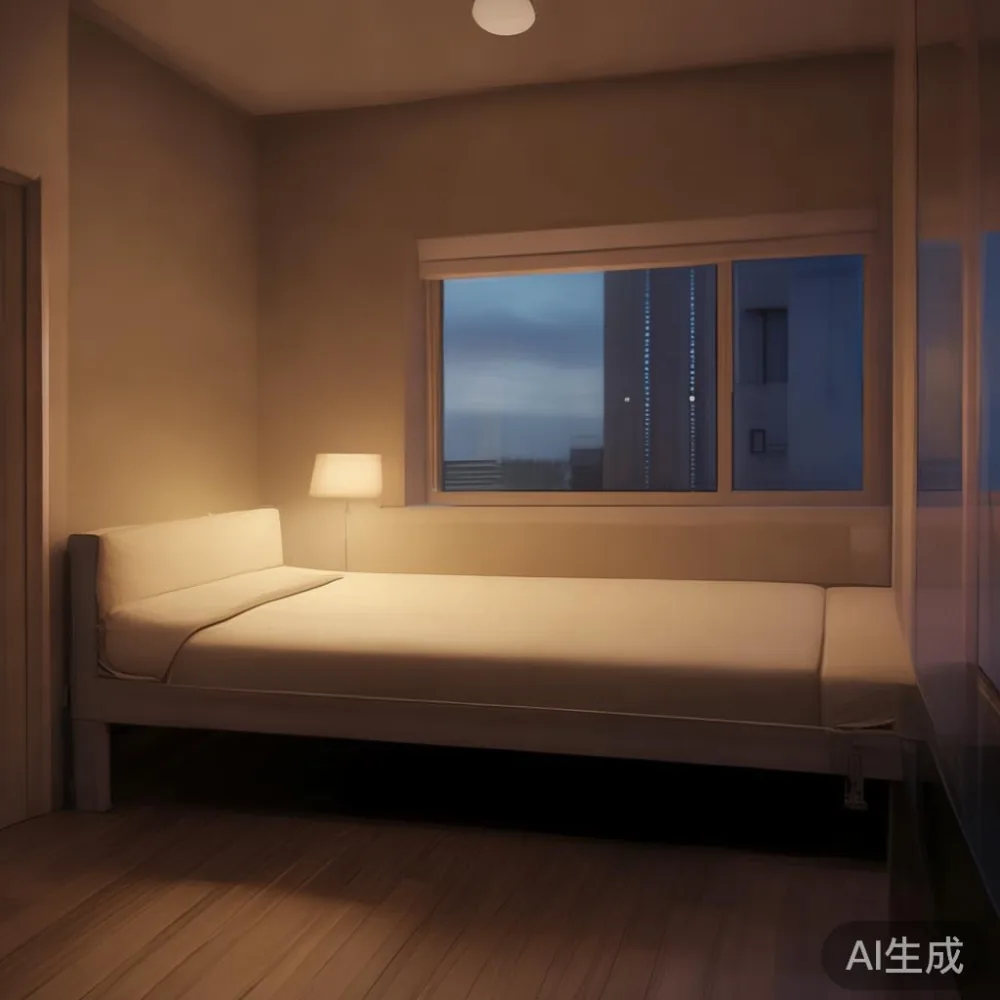
This guide draws on what I've seen across 8 years of sourcing for Singapore homes, including a recent walk-through last month with a client in a 1,023 sq ft Bedok condo. We'll work through scale, materials, tone, and the practical questions that come up around lift access, corridor width, GST, and warranty. Throughout, I'll reference pieces built by Foshan makers who understand solid wood construction rather than hollow-core shortcuts.
What does "warm minimal" actually look like in a 1,000 sq ft HDB?
Warm minimal is not cold minimal. You keep the negative space, the clean lines, the limited palette, but you swap stark white for cream, bone, oat, and taupe. Wood tones come in light oak, pale ash, or warm walnut rather than graphite or black. Texture replaces ornament: bouclé on a chair, slub linen on curtains, a hand-thrown vase that costs S$48 but anchors a whole console table.
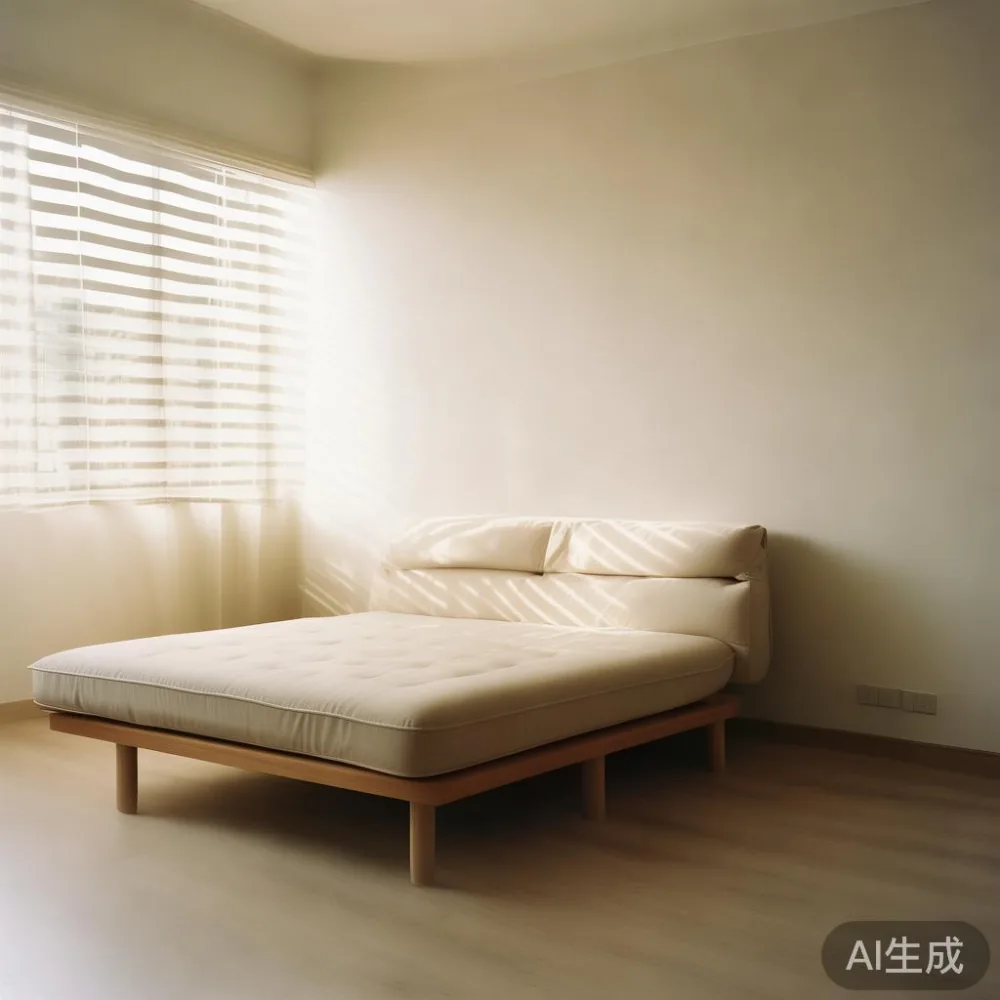
In a typical 4-room HDB, the living room runs roughly 3.2 m by 3.6 m after the kitchen wall adjustments. That floorplate is generous by Singapore standards, but it shrinks fast once you add a sofa, a coffee table, and a TV console. A solid wood sofa at 210 cm wide, with a depth of 95 cm, leaves about 70 cm of walkway on either side, which is the minimum I'd suggest for daily use. Pull the sofa 15 cm off the wall and the room feels more open, even if the same-square-foot number says otherwise.
Which furniture pieces anchor a warm minimal living room?
Three pieces carry most of the visual weight: the sofa, the coffee table, and one storage piece (a sideboard, a media unit, or a low bookcase). Everything else should feel like it could be moved in under 20 minutes.
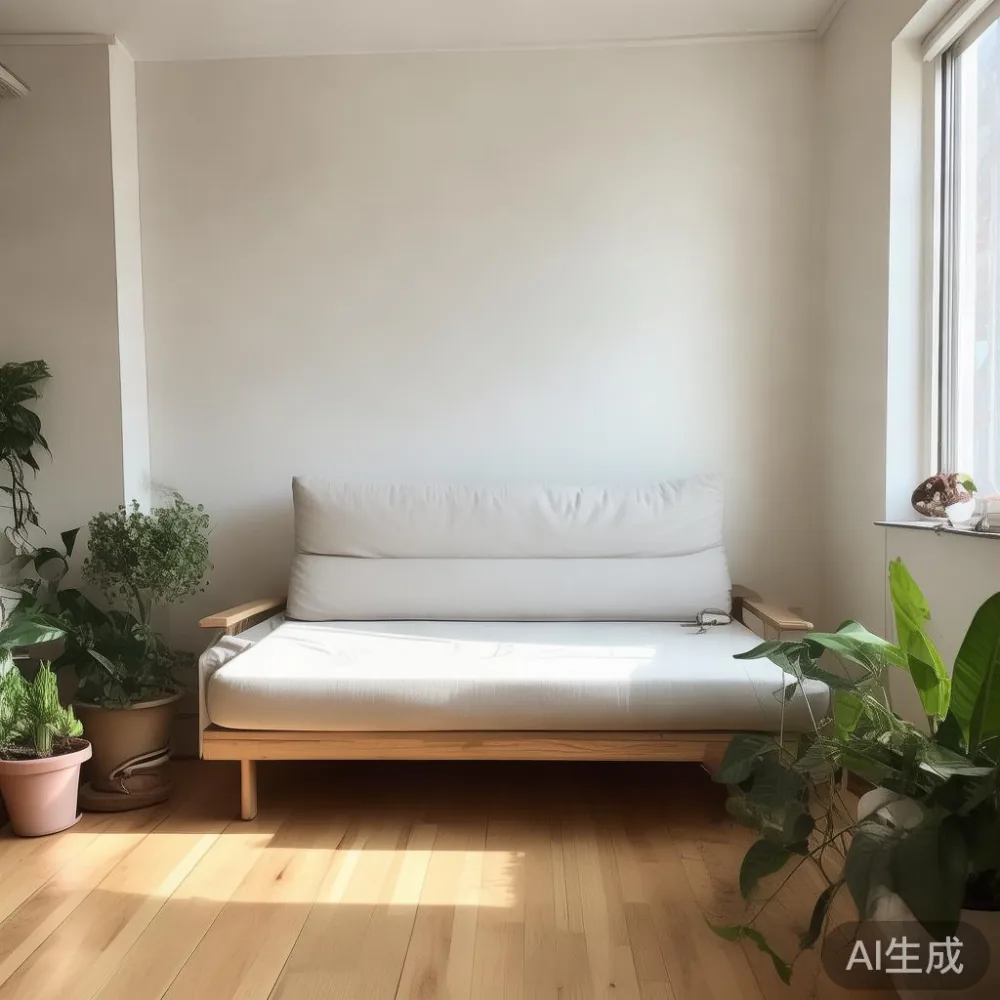
For the sofa, look for a frame made of kiln-dried hardwood, not plywood wrapped in foam. A solid wood sofa built on an ash or oak frame, with removable seat cushions and a slipcovered washable cover in stone or oat, will outlast three sofa-bed mattresses and still look considered. A practical note for flats: confirm the leg-to-leg width in centimetres and measure your lift door (standard HDB passenger lifts are roughly 1.8 m deep, but the usable opening is closer to 1.55 m; corner sofas wider than 240 cm often need to come in two boxes and be reattached in the corridor).
For the coffee table, a marble table in honed Carrara or a warm beige travertine reads as quiet luxury. Round versions, 80-90 cm diameter, soften the geometry of a rectangular sofa and are safer in homes with toddlers. If marble feels like over-investment for a rented flat, look for a sintered stone top on a solid wood base; it stains less, costs around S$520-780 delivered, and survives the next move.
For storage, pick one piece with closed fronts. A sideboard 160 cm wide, 45 cm deep, and 75 cm tall gives you roughly 0.6 cubic metres of enclosed storage, enough for board games, three spare blankets, and the cables behind your router. Push it against the longest uninterrupted wall; if your living room wall is broken by a structural column (common in newer Punggol BTOs), keep the sideboard shorter than the column's edge so it doesn't fight the architecture.
How do I keep the bedroom cohesive without matching everything?
Cohesion comes from repeating two or three elements, not from buying a suite. Pick a wood tone (say, warm white oak) and repeat it across the bed frame, the nightstand, and the wardrobe handles. Pick a metal finish (brushed brass, matte black, or polished chrome) and repeat it on the bedside lamp, the wardrobe pulls, and the door hardware on nearby rooms. That repetition reads as intentional, not as a flat-pack set.
Bed frames for warm minimal bedrooms tend to be low-profile platform designs, 18-25 cm off the floor, with a soft upholstered headboard in oatmeal bouclé or linen. Slatted bases beat solid platforms for mattress breathability in Singapore's humidity, and they let you swap a king for a queen without replacing the frame. A queen at 152 cm by 203 cm fits a 3.2 m by 3.4 m bedroom with 60 cm of clearance on both sides and a 70 cm walkway at the foot; a king needs at least 3.5 m of width to feel comfortable.
Two nightstands are non-negotiable if you share the room; one larger chest at 55 cm wide by 45 cm deep works on the emptier side and doubles as a stool when you tie your shoelaces. Inside the wardrobe, plan for 90 cm of hanging space per person for everyday tops, plus 50 cm of long-hang for coats and dresses, plus three to four shallow drawers each for folded items. A wardrobe at 180 cm wide by 60 cm deep by 220 cm tall covers most couple's needs and fits standard HDB stud walls.
What about the dining table in an open-plan kitchen?
Open-plan HDBs usually give you 2.4 m to 3 m between the kitchen counter and the sofa. A dining table at 160 cm by 80 cm seats six and leaves 90 cm behind each chair, which is enough to walk past without asking someone to scoot. Round tables also work in tighter 2.4 m runs: a 120 cm round seats four comfortably, six if nobody minds knees touching.
Solid wood dining tables with extension leaves are worth the extra S$180-260. A 140 cm table that extends to 190 cm handles both weekday dinner-for-two and CNY gatherings, which in Singapore homes tend to run 8-12 people across two seatings. Ask the supplier whether the extension mechanism is steel-rail or wood-dowel; the steel-rail versions still slide smoothly after eight years, the wood-dowel ones tend to wobble by year four.
On the kitchen side, a small marble table or a stone-topped island can serve as a breakfast bar. Sintered stone in 12 mm thickness is lighter than natural marble (around 18-22 kg per square metre versus 32-38 kg for a 20 mm marble slab), which matters for upper-floor installations where contractors charge an extra S$80-120 per trip above the fifth storey.
How do I match furniture to warm minimal without going over budget?
Set three price tiers and stick to them. Tier one is the anchor pieces you use every day: the sofa, the bed frame, the dining table, and one storage item in each room. Tier two is the high-touch pieces: nightstands, side tables, dining chairs. Tier three is everything else: vases, trays, cushions, throws. Spend roughly 55% of your furniture budget on tier one, 25% on tier two, and 20% on tier three, including a 7% GST line item built into the totals rather than added at the till.
Anchor-piece budgets in Singapore dollars, mid-2026 pricing:
- Solid wood sofa, 3-seater, removable cover: S$1,850-2,800
- Bed frame, queen platform with slats: S$980-1,450
- Dining table, 160 cm solid hardwood: S$1,420-2,200
- Wardrobe, 180 cm three-door: S$1,680-2,650
- Nightstand pair in matching wood: S$520-740
- Marble or sintered stone coffee table: S$620-1,180
Cross-reference these against the lifetime refinishing offer you'll see from Foshan workshops like MIDHILL, and you're no longer throwing money away on upholstered pieces that end up at the curb after five years. The same logic applies when buyers compare a European bed vs Nordic bed: a European bed often runs heavier in carved detailing and darker walnut, while a Nordic bed tends toward pale oak and slim profiles. For warm minimal, the Nordic-leaning frame will integrate more easily, though the construction quality matters more than the regional name.
What's the smartest way to ship and install furniture in HDB corridors?
Measure three things before you buy: your lift door width (usually 0.9-1.0 m for passenger lifts in HDB blocks), the corridor width on your floor (typically 1.2-1.5 m, narrower in older blocks), and the largest single piece once it's unboxed. Then check whether the supplier assembles in your home or fully assembles at the workshop. Flat-pack in boxes under 2.3 m long fits almost every HDB lift; fully built sofas wider than 1.8 m often don't.
For new condo corridors in Punggol and Sengkang, the move-in lobby is usually larger (around 2.2 m wide), but the lift interior is the same 1.55 m usable depth as older blocks. Always request the unboxed dimensions, not the assembled ones. Solid wood pieces with lift-up storage (often called Italian light luxury with storage in product listings) can weigh 60-90 kg once fully assembled, which is fine inside the home but borderline for one person to carry up six flights if the lift is being serviced.
Delivery lead times from Foshan-run factories sit at 35-55 working days to a Singapore forwarder, then 7-12 working days for the last mile and installation. Allow extra time before Chinese New Year (mid-February 2026 falls on the 17th) and after Golden Week, when factories close for one to three weeks. Order in September for a December delivery, not in November for a December delivery.
How should I think about light-luxury style without overdoing it?
Light luxury reads as restraint plus quality. French light luxury leans on cabriole silhouettes softened in pale fabric; American light luxury tends toward wider seat depths and low armrests, more relaxed; post-modern light luxury plays with unusual joinery and curved bases. None of them belong in every room. Pick a thread - usually texture or geometry - and run it through one or two rooms.
In a warm minimal HDB, I'd suggest leaning Nordic or post-modern rather than French; the curves and proportion of cabriole pieces feel right only in spaces with 2.7 m or higher ceilings, which most HDBs at 2.6 m don't quite have. The exception is a single accent chair in a living room corner, where a French silhouette can echo against an otherwise quiet scheme.
Above all, light luxury is about what isn't there: no visible plastic feet, no exposed staples on a sofa bottom, no shiny brass-tone hardware that looks like paint. Midhill furniture built from solid wood and finished in matte oils tends to age into the room, which is the whole point of warm minimal in the first place.
Where can I find warm-minimal pieces that match these specs?
Start with the suppliers who publish frame weights, slat counts, and finish details rather than vague "premium materials." For Singapore buyers, factories that export to 15 or more countries tend to have cleaner documentation and clearer warranty paths. MIDHILL, a Foshan solid wood workshop running since 2008, ticks several of those boxes: they publish a 10-year structural warranty, lifetime refinishing on solid wood tops, and free shipping above US$350, with 14-day returns on stocked items. I've walked their showroom floor and inspected their joinery, and the test pieces I'd recommend for a warm minimal home include their solid wood dining tables, slatted bed frames, and the slim-pedestal nightstands.
If you're sourcing through trade channels or outfitting an HDB rental as a small business, ask about MIDHILL dining table wholesale pricing; the same construction standards apply, and the per-piece savings drop the tier-one budget by roughly 18-22%. For retail buyers, most Singapore importers carry a curated selection with samples at their Balestier or Tan Boon Liat showrooms.
FAQ
Is a sofa bed a good fit for warm minimal living rooms? Yes, provided the frame is solid wood rather than metal tube and the mattress is at least 12 cm thick. A sofa bed earns its place in flats under 1,000 sq ft where you need one extra bed for visiting parents or friends, and it disappears into a calm scheme when upholstered in the same tone as the surrounding sofas.
How do I stop warm minimal from looking bland? Introduce one contrasting material per room: a single slab of walnut against cream walls, a blackened steel lamp against a pale bouclé chair, a raw travertine side table against an oak console. The contrast does the work without filling the room with objects.
What's the best Japandi sofa for 2026? A Japandi sofa pairs the clean geometry of Japanese design with the soft upholstery of Scandinavian work; the best Japandi sofa for 2026 is one with a hardwood frame, removable washable cover, and a seat depth of 58-63 cm. Aim for armrests no higher than 62 cm so the silhouette reads low and long rather than upright.
Do I need a top 10 Japanese furniture list to start? A top 10 list helps with vocabulary, not with buying. Pick three pieces (a low table, a platform bed frame, a storage tansu) and source them well rather than collecting ten average items.
Can I mix European light luxury pieces into an office corner? Yes, but keep the rest of the home simpler. European light luxury for office corners in HDBs works particularly well when you isolate the desk and storage wall, so the curves and brass tones don't fight with the calmer living room scheme.
What if my floor is smaller than 800 sq ft? Skip the sideboard, replace it with wall-mounted shelving at 30 cm deep, and choose a smaller two-seater sofa at 165 cm wide. The principles of warm minimal scale down; they don't disappear.
How long should a quality dining table last? A solid hardwood dining table from a workshop like MIDHILL should serve three to four decades with periodic refinishing; budget S$180-280 every 8-10 years for a sand-and-oil refresh, which removes surface scratches and restores the tone without replacing the piece.