How Southeast Asian Humidity Affects Solid Wood Furniture in Singapore
Singapore’s equatorial climate makes furniture care more than a matter of taste. Outdoor relative humidity can remain around 70–85% for much of the year, while air-conditioned interiors may drop to 45–60% overnight. Those swings affect solid wood, veneers, upholstery, stone surfaces and even the tolerances inside a convertible mechanism. For shoppers in HDB flats and private condos across Tampines, Bedok and Punggol, choosing furniture means balancing visual style, room dimensions, lift access and realistic maintenance.
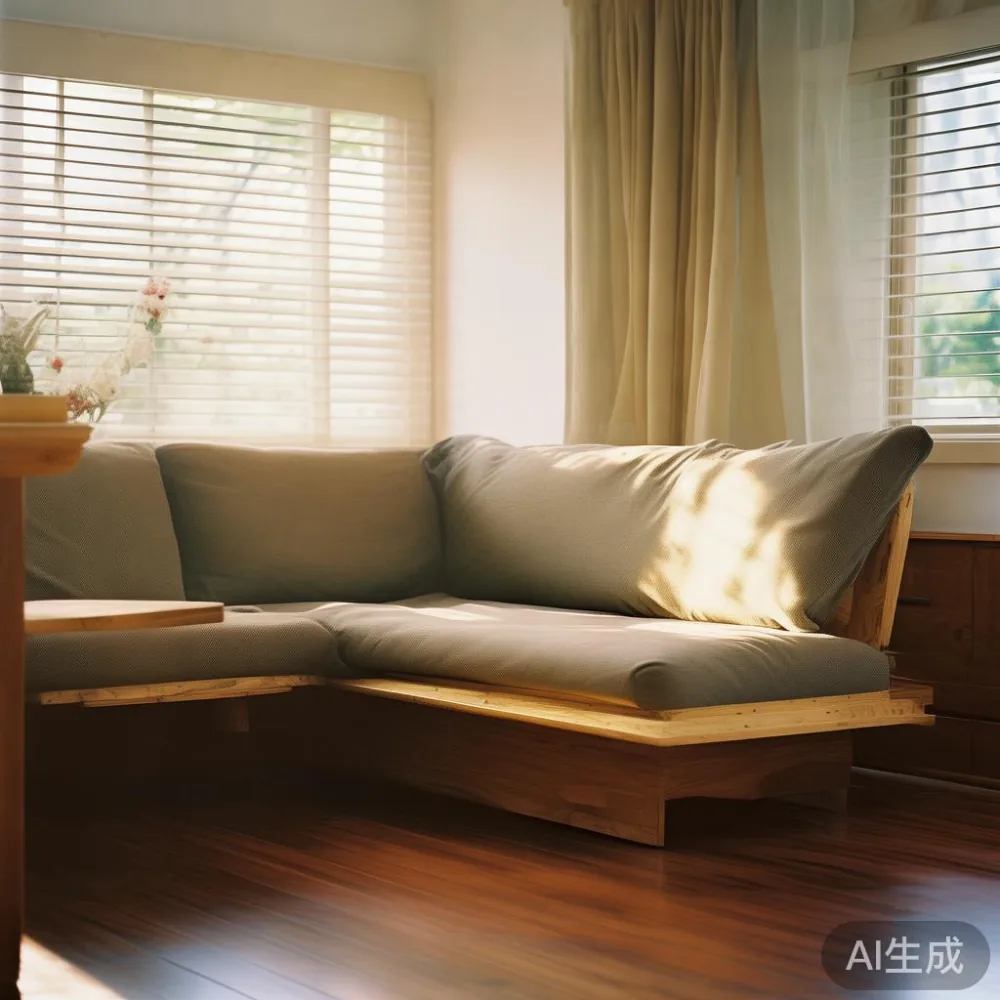
MIDHILL designs furniture in Foshan, where humid conditions are familiar, yet each piece still needs sensible acclimatisation when it enters a Singapore home. Understanding how moisture moves through timber can prevent warping, sticking drawers and stained finishes. It can also help you decide where a solid wood sofa bed belongs, how to maintain a marble table and what storage furniture makes sense beside a bed frame.
Why Singapore humidity changes the way solid wood behaves?
Wood is hygroscopic: it absorbs atmospheric moisture and releases it as the surrounding air changes. In a Singapore living room, a cabinet near an open window can expand during a rainy afternoon and contract the next morning under air conditioning. Repeated movement may open small gaps around panels, weaken joints or distort a door.
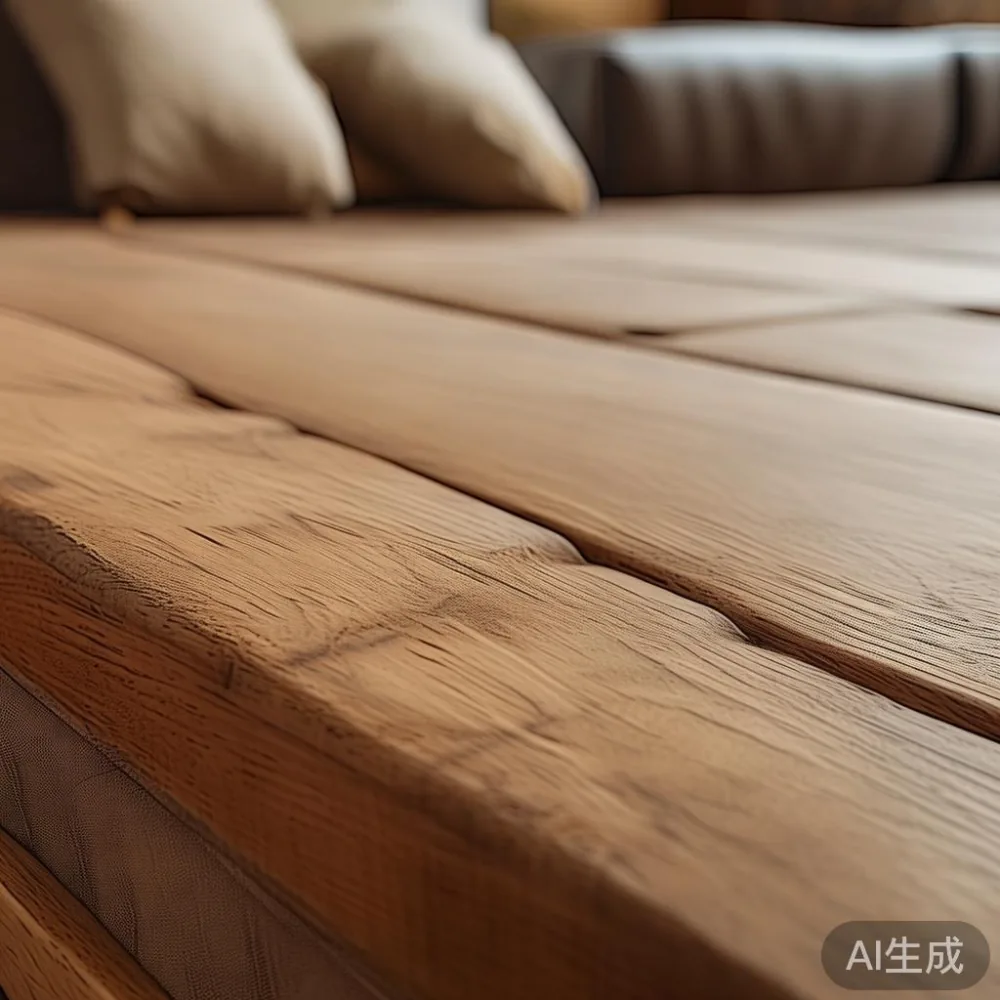
The risk depends on timber, construction and placement. Solid oak, ash, beech and teak each respond differently, while a factory-finished surface slows moisture exchange. Veneered panels can move too, especially along their edges. A solid wood sofa bed also combines timber with cushions, hinges, fabric and sometimes metal supports, so each component needs a suitable stability range.
Seasonal changes can still matter even though Singapore lacks the dramatic summer-to-winter cycle of temperate countries. A west-facing Tampines flat may experience stronger afternoon heating, while a high-floor Punggol unit can receive more wind. The practical target is steady indoor conditions, ideally around 45–65% relative humidity, rather than chasing a perfectly fixed reading.
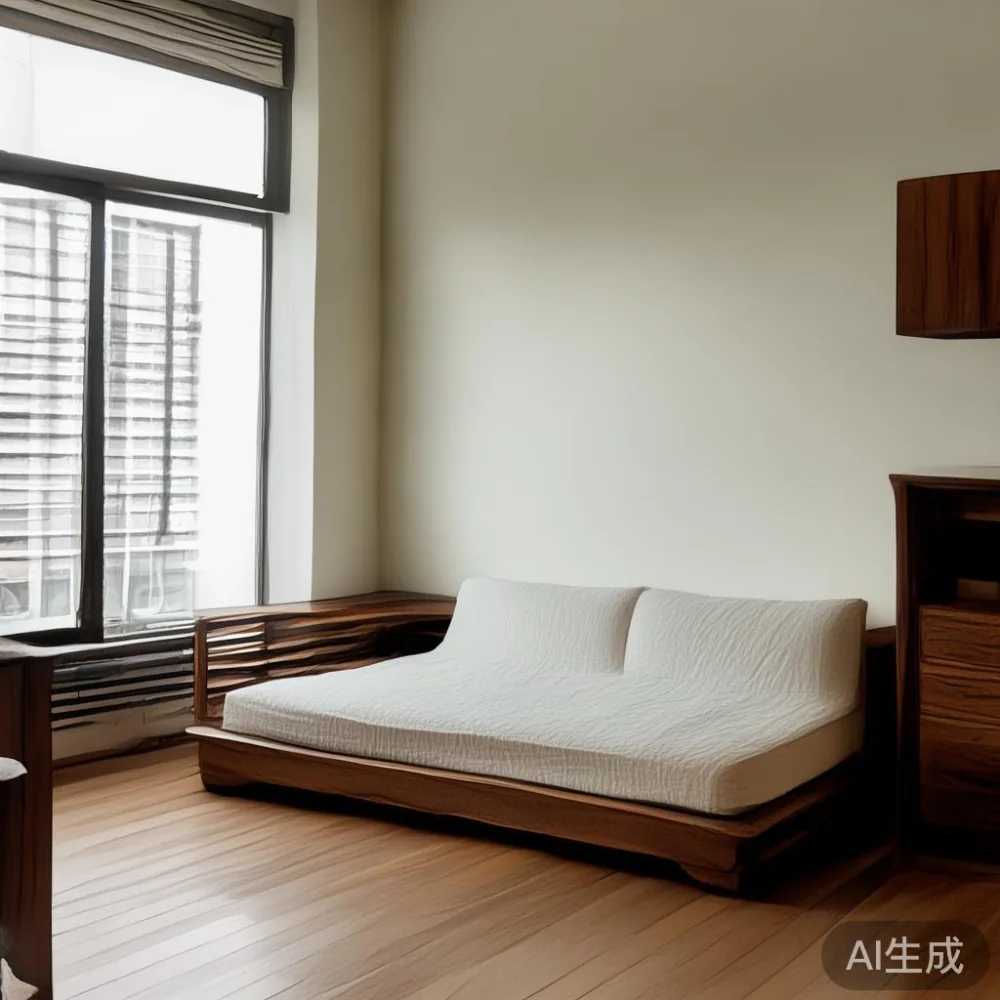
Measure with a small hygrometer placed near the furniture rather than directly beside an air-conditioner. A difference of more than 10% between two locations is worth correcting with curtains, ventilation or a dehumidifier. Keep timber at least 20 cm away from a wall if air can circulate behind it, and avoid placing it immediately beside a window or bathroom doorway.
How much room does a sofa bed need in a Singapore apartment?
A sofa bed earns its place when it provides a clear second sleeping function without making the living room feel like a corridor. Before ordering, mark the closed and open footprint with masking tape on the floor. Measure the folded depth, extended length and required clearance at both ends. A common residential model may measure 85–100 cm deep when closed and 190–210 cm long when open, but specifications vary.
Singapore access planning matters just as much as the room itself. HDB lift doors are often about 80–90 cm wide, while the lift car may be around 110–140 cm deep. Common corridor widths range from about 120–180 cm, though refurbishments and building-specific layouts can differ. Confirm the actual cargo dimensions, turning radius and whether the goods lift reaches your floor before accepting delivery.
For a 3-room HDB flat, a 180–220 cm sofa bed may work in a living area that also accommodates a television console. In a compact condominium study, a smaller 160–180 cm model may suit a guest room better. The frame should have a mattress size stated clearly; a nominal “queen” label can otherwise be misleading. Ask for the usable sleeping surface, mechanism movement and clearance from a nearby dining table.
French light luxury has a natural connection to this kind of planning. Upholstery in oatmeal, warm beige or muted taupe can soften a room without needing large decorative pieces. If you are searching for how to style French sofa in apartment layouts, focus on balanced proportions, one generous textile, slim side tables and artwork rather than crowding the conversion zone.
Watch the power path too. A folding mechanism may not need electricity, but a sofa bed with integrated charging or powered reclining functions will need a nearby outlet. Position the cable so it cannot cross the extension path. Leave at least 15–30 cm between the extended sofa bed and a dining table if people need to pass between them.
Can humidity damage a sofa bed, and how should I maintain it?
Humidity alone does not mean that a properly made sofa bed will fail. Good kiln drying, sound joinery, stable finishes and a mechanism designed for repeated movement are more meaningful than any single moisture number. The common warning signs are doors that no longer align, a drawer that rubs, a bowed panel or cushions that feel persistently damp.
For a solid wood sofa bed, use a dry microfibre cloth and wipe spills promptly. Avoid soaking timber with an overflowing spray bottle. If the finish looks dull, a lightly damp cloth followed by a dry cloth is usually enough; test an inconspicuous area first and follow the supplier’s finish guidance. Do not apply generic oil or silicone polish to a lacquered or coated surface.
Fabric covers should be vacuumed weekly with an upholstery attachment and checked every 2–3 months for dampness. If removable, wash according to the care label and dry the cover fully before refitting. A mattress protector adds a washable barrier, while a breathable under-bed tray can protect the frame from dust and occasional damp cleaning.
Use a hygrometer in the main living space and the bedroom. If readings remain above roughly 65%, improve ventilation or run a dehumidifier. If indoor readings fall below about 40% during prolonged air-conditioning, avoid placing a solid wood bed frame directly against a cold air outlet. Rapid fluctuations are often more problematic than a stable reading at the upper end of a comfortable range.
Never wipe a marble table with an acidic cleaner. Water and pH-neutral stone soap are more suitable, and coasters and placemats help prevent ring marks. Inspect the marble surface twice a year for chips, especially around busy dining table settings in a compact flat.
What should I do when a sofa bed first arrives in Singapore?
Acclimatisation is the process of allowing furniture to adjust gradually to the room’s humidity and temperature. A common plan is to leave the piece in its packaging for 24–48 hours if the instructions permit, then unwrap it and allow another 48–72 hours before tightening or adjusting parts. The exact sequence should follow the manufacturer’s instructions.
Last month I visited a customer’s Bedok condominium to inspect a solid wood bed frame delivered from Foshan. The north-facing bedroom recorded 56% humidity, and the timber had arrived with protective wrapping still in place. We unwrapped it near an open window for 2 hours, allowed the frame to settle for 3 days, and checked the joints before installing the mattress. The frame remained square, and the final movement was below 2 mm at the drawer joints. That visit reinforced why measuring the room matters as much as accepting the finish.
For a sofa bed, open and close the mechanism several times before use, but do not force it. Test the backrest and footrest over a 10-minute period and listen for scraping. Confirm that all locking catches engage. Keep the product away from direct moisture during its first week, and do not place damp laundry on the seat.
MIDHILL includes a 10-year structural warranty on eligible furniture, which provides useful coverage for manufacturing defects. Warranty terms should be read alongside normal care: prolonged wetting, direct heat and unauthorised structural modifications may affect claims. The lifetime refinishing service offered for qualifying solid wood pieces is another reason to care for the finish properly rather than treating it as disposable.
Is light luxury for apartment interiors suitable in Singapore?
Light luxury for apartment living is less about excess decoration and more about proportion, texture and controlled contrast. Pale upholstery, pale oak, slender profiles and carefully spaced objects can make a 300–500 sq ft living area feel composed without overwhelming it. Post-modern light luxury can work too, provided its patterns remain restrained and the furniture is scaled to the room.
A 90 cm dining table may suit a compact breakfast area, while a 120–140 cm table needs about 60 cm of clearance on the longer sides and 75–90 cm on the shorter sides for chairs. In a narrow dining zone, consider a round table with a 100–120 cm diameter, then measure the corridor and lift route before choosing a base with wide extremities.
The light luxury bed vs Japandi bed comparison begins with visual density. Japandi usually emphasises pale timber, clean lines and functional restraint. A light luxury bed may introduce upholstered surfaces, curved edges and warmer textiles. Neither style compensates for poor spacing. Keep at least 60 cm between the bed side and a wardrobe where possible, or choose sliding doors for a tighter bedroom.
For wardrobes, allow the doors to open fully and check the handles against nearby walls. A 150 cm wide wardrobe may be more practical than a 180 cm hinged model in a narrow bedroom. A nightstand should be roughly level with the mattress for easier reach, with enough top space for a 20 cm lamp and a cup. Make sure its height does not obstruct a raised bed frame.
Guest rooms benefit from a similar restraint. If light luxury for guest room planning is the goal, use a solid wood sofa bed with a supportive mattress, a slim nightstand and one warm wall colour. A Modern light luxury accent chair can complete the room if there is at least 60–70 cm of clear floor space around it. Avoid placing the chair where it narrows the sofa bed’s opening path.
How do HDB and condo layouts change furniture measurements?
Floor plans tell only part of the story. HDB flats often have efficient shapes, but a dining table can feel cramped if it shares space with the main circulation route. Condominiums may have larger windows, higher ceilings and more built-in storage, yet entrance doors, service corridors and multiple lifts can create difficult delivery conditions.
Before buying, photograph the lift entrance, lift interior, turning points and the final doorway. Record minimum widths rather than relying on the largest visible dimension. Remove door accessories only if the building management permits it. For each solid wood sofa bed, ask for the packaged length, width and height, plus the weight of the heaviest removable component.
Some deliveries fail not because the furniture is too wide, but because a corner cannot be negotiated. A long package that measures 25 cm across its narrowest point may still be difficult if the corridor includes a tight turn. Professional movers can angle furniture without excessive force, but the product should also be designed for disassembly where practical.
Timing should include building rules. A loading bay reservation may be needed, and goods-lift bookings can add 3–7 days to the expected schedule. MIDHILL offers free shipping on orders over US$350, while local delivery timing and charges should be confirmed for Singapore. Standard production or dispatch timing can vary by product and finish, so allow roughly 7–14 days for many ready-made items and longer for made-to-order pieces.
Singapore’s 9% GST is generally included in displayed consumer prices, but the tax treatment for exported purchases can differ. Check the checkout details carefully. If an order arrives in a different condition from the agreed specification, document the packaging and issue before assembly. MIDHILL provides a 14-day return window, subject to the stated conditions for unused, protected products.
How should you compare solid wood, veneer and engineered wood in a humid home?
Solid wood offers repairability and a distinctive grain pattern, but its movement is visible in wide panels. Veneer can provide consistent appearance and dimensional stability when bonded to a sound substrate. Engineered wood can be useful in hidden components and flat-packed storage, provided its edges are sealed. Moisture protection matters for all three, although the visible response differs.
Ask whether the dining table top is solid timber, a veneer or an engineered core, and what finish has been applied. A water-based matte finish may be easier to maintain than a thick high-gloss coating, but it still requires prompt spill removal. The same question applies to a nightstand and the timber sections of a wardrobe.
American light luxury may use oak, walnut or upholstered forms, but the species name does not replace good construction. Check drawer runners, corner joints and panel movement. Lift a drawer through its full travel without it binding. For a dining table, sit at each position to confirm knee clearance. For a sofa bed, check whether the cushions remain usable when the frame is extended.
The American bed vs Japandi bed choice often comes down to the room and the visual language, not geography. American-inspired furniture may have a broader silhouette, while Japandi pieces tend to look visually lighter. A queen bed frame can still work in a 3-room flat if the room offers adequate circulation, while a smaller bed frame may make a studio condominium feel more flexible.
Keep furniture 10–20 cm away from exterior walls where feasible, especially on levels directly above planted areas or near roofs. Use blinds with a light-coloured lining to reduce solar heating. Wipe condensation from nearby surfaces, and service dehumidifiers according to their manuals. Small, consistent habits protect a solid wood sofa bed and other timber pieces better than occasional aggressive treatment.
Which room finishes and accessories reduce humidity-related damage?
Materials around furniture influence how quickly moisture changes. A solid wood sofa bed placed on a thick wool rug may experience a different microclimate from one near a tiled balcony. Natural textiles regulate humidity reasonably well, while some synthetic carpets and PVC-backed mats can trap moisture. Choose breathable finishes for the room and avoid sealing a damp floor beneath furniture.
Curtains made from linen or cotton can moderate sun and rain exposure, but they should not brush wet timber. A wardrobe positioned beside a bathroom needs ventilation and careful sealing of the plinth. For a marble table, separate the surface from humidity-sensitive storage where possible, and use a stable, flat support that does not flex.
Maintain a simple inspection routine every 3 months. Check the ends of solid wood panels, the underside of a dining table top, drawer corners and the back of a wardrobe. Look for mould around fixings, white powdery deposits, softened edges or a musty smell. Do not use bleach on coloured finishes; test a cleaning product on a hidden area and seek product-specific advice if the mark persists.
Living with humidity does not require an air-sealed room. It requires stable conditions, sensible placement and timely care. For a Singapore apartment, a solid wood sofa bed with sound joinery, measured clearances and a maintainable finish can provide both daily comfort and guest accommodation. The same discipline protects a dining table, wardrobe, nightstand, bed frame and marble table, allowing the room to remain comfortable without compromising its design.