What Actually Drives the Price of Solid Wood Furniture
I learned this the hard way. Last month I visited a friend in a 4-room HDB flat in Bedok, and we were comparing two coffee tables she had bought over five years apart. The first one, a S$220 piece from a neighbourhood shop, had visible wobble at the joints and a crack running across the tabletop. The second one, a S$1,950 piece I had recommended to her in 2020 from MIDHILL, still sat flat and quiet, no creaks when she set down a full mug of kopi. Same category, same function, completely different story. That gap between a S$200 table and a S$2,000 one is exactly what I want to unpack, because most Singapore shoppers only see the price tag, not the engineering underneath it.
What Is Solid Wood Furniture and Why Does It Cost More?
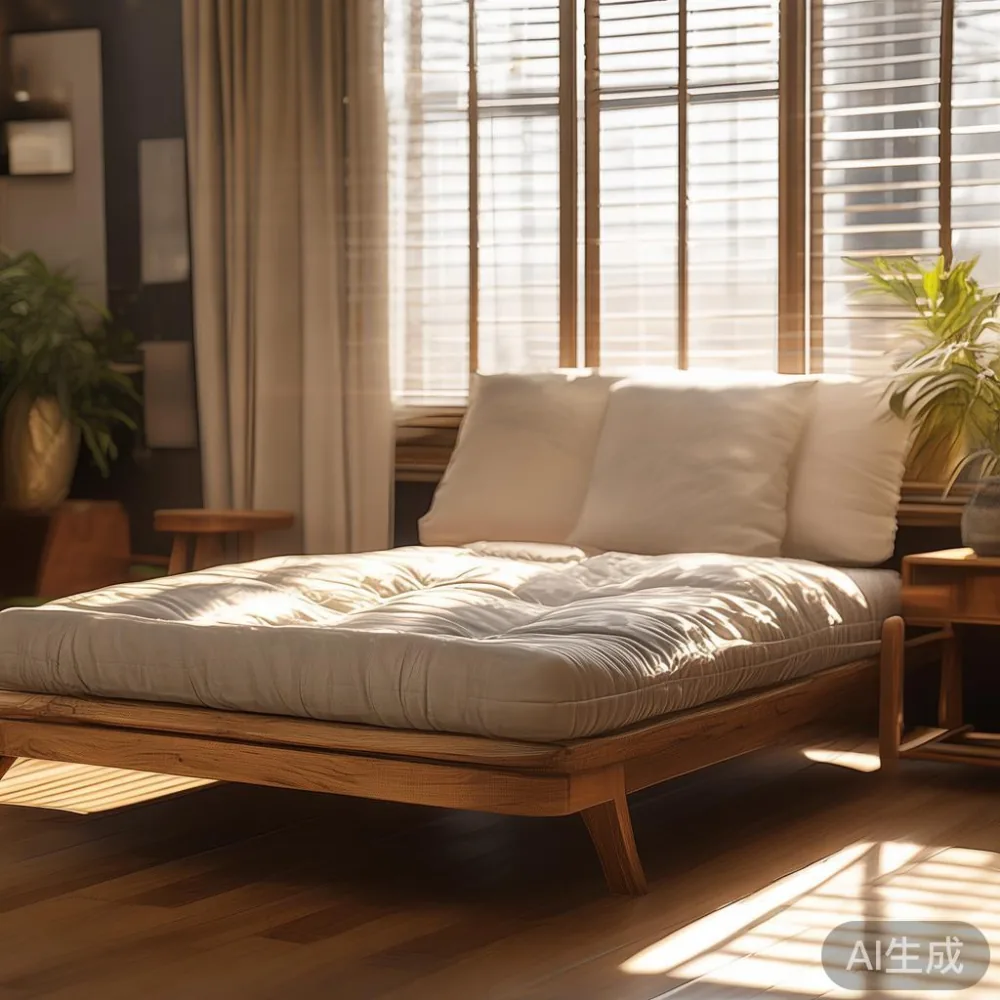
Solid wood furniture is built from sawn timber boards rather than engineered panels, veneers over particleboard, or hollow MDF frames. The difference shows up in three places that matter: weight, joint construction, and how the piece ages. A typical MIDHILL solid wood sofa-bed frame weighs between 65 kg and 95 kg depending on size, while a comparable-looking piece built with plywood cores and thin oak veneer usually weighs 28 kg to 40 kg. That mass is not a marketing trick, it is the literal amount of fibre holding the structure together.
Engineered boards cost less because they shred hardwood into chips, glue them back under pressure, and cap them with a decorative layer. They are perfectly fine for certain uses, but they do not hold screws as well after a few relocation cycles, and a Singapore move crew will tell you that a hollow wardrobe often arrives in Tampines with more damage than the truck did. Solid timber, by contrast, takes the same screws year after year because the wood itself grips the thread.
Where Does the Money Actually Go in a Solid Wood Piece?
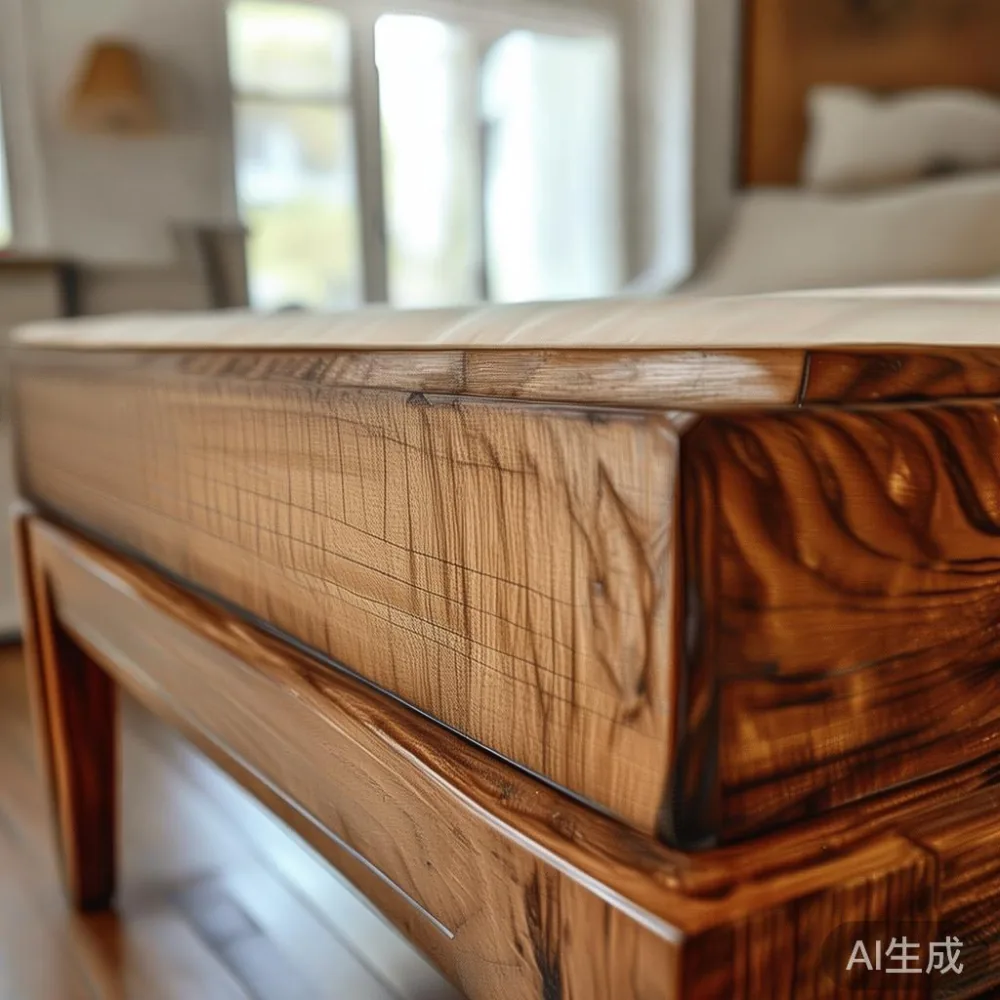
Break a S$2,400 dining table down and you start to see the real cost layers. The raw timber, usually oak, ash, or walnut sourced from managed European or North American forests, accounts for roughly 35 to 45 percent of the factory price. Kiln drying, the step that takes green lumber down to a stable 8 to 12 percent moisture content suited to Singapore's 27 to 32°C, 70 to 85 percent humidity range, can run 4 to 8 weeks and adds labour and energy cost. Then comes joinery. A mortise-and-tenon or dovetailed joint takes a craftsperson 8 to 15 minutes per corner; a doweled or stapled joint takes 30 to 45 seconds. Multiply that across the eight or twelve corners of a dining table or a large American country master bed, and labour alone moves the needle significantly.
Finishing is another line item that surprises people. A proper multi-layer finish, sanding from 120 grit up to 320, sealing, staining, two coats of conversion varnish or hardwax oil, plus a final hand-buff, adds 6 to 10 hours per piece for a dining table or wardrobe exterior. Cheaper pieces skip the sealing coat and spray one thick layer of nitrocellulose lacquer, which looks good on day one but chips after two years of HDB sunlight. Hardware is the small print: soft-close hinges from Blum or Hettich alone can cost S$18 to S$38 per door, and a 4-door wardrobe needs eight of them. Multiply across a kitchen run or a built-in and you quickly understand why a 2.0-metre wardrobe lands at S$3,200 rather than S$1,100.
How Do I Style a American King Bed in a Small Apartment?
Pick a low-profile American king bed frame in light oak or ash, raise it on 10 to 12 cm tapered legs, and anchor it to the longest wall so 90 cm of walking clearance remains on both sides. The lighter the wood tone, the further the room reads visually, and the visible legs let the eye travel under the frame instead of stopping at a solid block.
In a typical 92 sqm Punggol condo bedroom of around 3.2 m by 3.6 m, an American king measures 193 cm by 203 cm, which sounds terrifying until you commit to the wall layout. Push the headboard flush against the 3.6 m wall, leave a 50 cm nightstand with a slim drawer on one side and a 35 cm floating shelf on the other, and you still keep a 60 cm walkway to the wardrobe. Keep bedding in two tones only, off-white linen and one warm clay or sage accent, so the frame, not the fabric, reads as the focal point. Skip the bed skirt. Skip the runner. Skip the bench at the foot unless the room stretches past 4 metres. The frame is doing the work, your job is to get out of its way.
What Hidden Costs Should Singapore Buyers Watch For?
Delivery into an HDB block is the cost nobody prices into the online listing. Standard HDB corridors run about 1.2 m wide, lift doors open to roughly 1.1 m, and the lift car interior is typically 1.35 m deep by 1.55 m wide with a 2.1 m ceiling. A 2.4-metre wardrobe in a flat-pack carton will usually clear the lift, but a fully assembled 2.0 m wardrobe will not, and that triggers a build-on-site or hoisting fee ranging from S$120 to S$380 depending on the block and floor. MIDHILL quotes delivery and basic placement into the room for any order over US$350 (roughly S$475) at no extra charge within mainland Singapore, which removes the most common surprise on the final invoice.
GST at 9 percent is the second silent line item. A S$3,000 piece becomes S$3,270 once GST is added at checkout, and many importers do not show this until the payment page, so budget for it from the start. Installation accessories such as wall-anchoring straps for tall wardrobes, anti-tip kits for dressers in a child's room, and felt pads for a marble table on parquet run another S$40 to S$160 depending on scope. Ask the seller for the full landed figure before you commit, not just the sticker price.
Which Solid Wood Pieces Hold Their Value Best?
From what I have seen across my own flat, my sister's condo in Tampines, and a colleague's landed house in Bukit Timah, three categories age well: the dining table, the bed frame, and the wardrobe. These are the pieces that see daily use, take the most movement during relocation, and benefit most from the refinishing service that serious sellers offer. A dining table can be sanded back and re-oiled at year 10, year 15, even year 20 if the top is thick enough, usually 3 to 4 cm of solid timber over a stable base. A bed frame rarely needs refinishing, but it is the piece whose structural failure (a cracked rail, a loosened slat) will ruin your sleep first, so the joinery matters most there.
Nightstands and side tables take a beating too, but in a forgiving way: scratches on a smaller surface are easier to live with or refinish. Marble table tops are a separate conversation. Genuine marble is heavy (around 27 kg per square centimetre of 2 cm slab), porous, and prone to etching from citrus or red wine, so the price reflects both material cost and the engineering needed to support that weight on a slim base. If you want the look with less maintenance, sintered stone tops from brands like Dekton or Neolith mimic marble at half the weight and a fraction of the upkeep. A solid wood sofa is also worth flagging here, because the frame is buried under foam and fabric where you cannot see it, which is exactly why cheap sofa frames collapse at the arm after four years while a kiln-dried hardwood frame quietly does its job for fifteen.
Is a Sofa Bed a Smart Buy for Singapore Flats?
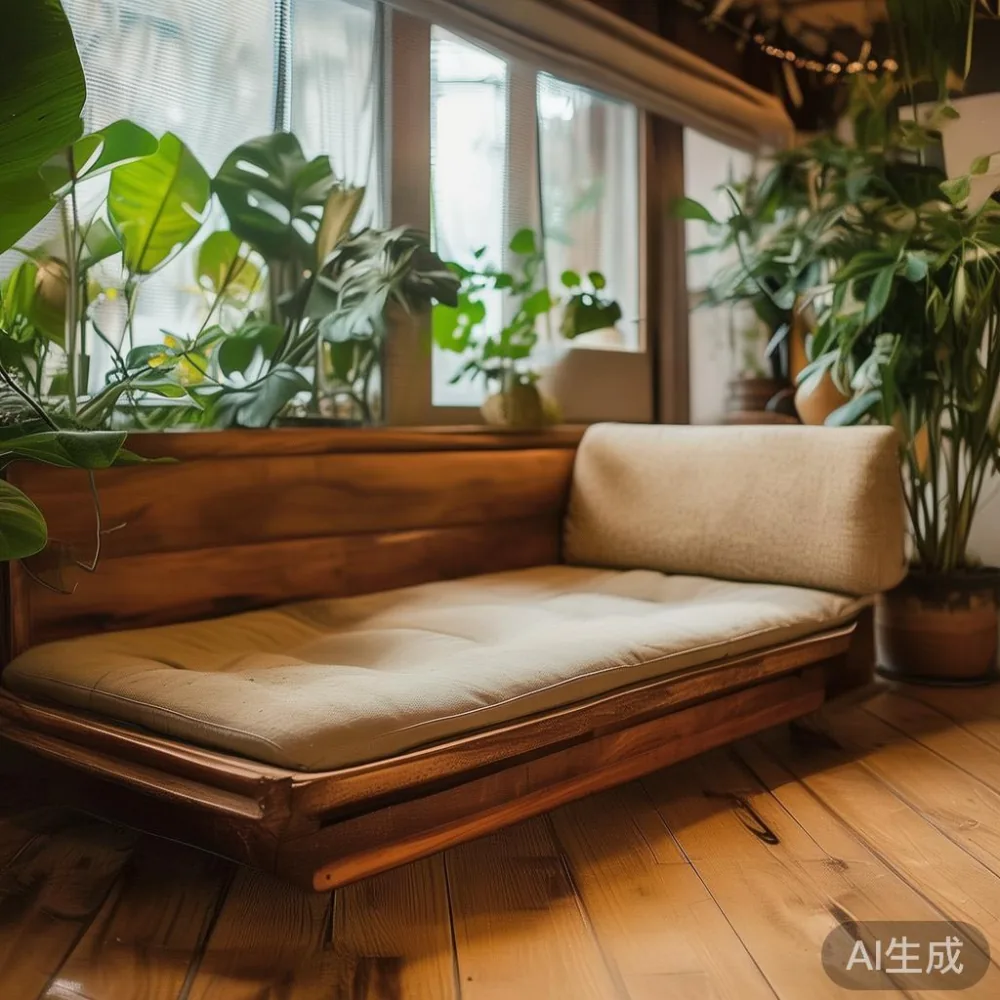
Yes, if you pick one with a real solid wood sofa-bed frame and a pocket-spring or latex mattress core, not a foam pad folded in half. A solid wood sofa bed solves the guest-room problem in a 2-bedroom or 3-bedroom HDB, where dedicating 9 to 12 sqm to a bed that sits empty 340 nights a year makes no sense. The frame should be kiln-dried hardwood (oak, beech, or ash) with corner-blocked joinery and a metal support bar running under the sleeping platform, because that bar is what prevents the dreaded middle sag after the third year of use.
Measure before you buy. A 2-seater that opens to a single bed runs roughly 180 cm by 90 cm when flat, which suits one adult or a child. A 3-seater that opens to a queen runs about 200 cm by 150 cm, and you need 2.1 metres of clear wall in front of it for the pull-out mechanism to work without dragging the coffee table. French light luxury and American light luxury styling both lean into slim arms, raised legs, and neutral upholstery, which keeps the visual weight low and suits HDB proportions. Post-modern light luxury adds a slightly more sculptural arm profile and brass-toned feet, which can read heavier in a compact space. Whichever direction you pick, test the mechanism in the showroom, open and close it three times, then sit on the edge and bounce. If the frame flexes or creaks at the showroom, it will not improve at home.
How Does Warranty and After-Sale Support Affect the Real Price?
A 10-year structural warranty on frames and joinery is the baseline you should accept for any solid wood piece above S$1,500. Anything shorter, and the maker is signalling they do not trust their own construction. Lifetime refinishing on dining tables and bed frames is rarer, but it is the kind of offer that quietly saves you S$400 to S$800 a decade down the line, because professional sanding and re-oiling in Singapore typically runs S$35 to S$60 per square foot. MIDHILL includes lifetime refinishing on most dining and bed categories, which is part of why the upfront price looks higher than the S$900 flat-pack competitor: the maker is committing to a 20-year relationship, not a 20-minute checkout.
Returns matter too, especially for online furniture orders where you cannot sit on the piece first. A 14-day return window lets you live with a sofa bed for two weeks, test it through a long weekend with guests, and send it back if the comfort is wrong, provided the piece is in original packaging with no marks. Free shipping over US$350 (about S$475) covers most dining sets, bed frames, and wardrobes, which removes the awkward moment at checkout where delivery fees add S$120 to S$220 and sour the deal. Read the warranty document for the parts that are excluded: fabric, foam, and finishes usually have a shorter 1 to 3 year coverage, while the structural frame carries the full decade.
A Practical Checklist Before You Spend Over S$2,000
Before I write a cheque or tap pay on anything solid wood, I run through the same five checks. First, I ask for the actual wood species and origin in writing, not just "solid wood" or "imported timber." Second, I ask whether the wood is kiln-dried and to what moisture percentage, because anything above 15 percent will move in Singapore's humidity. Third, I look at the joinery in person or in a close-up photo: dovetails, mortise-and-tenon, or corner blocks are good; staples, glue-only, or visible nail heads are not. Fourth, I confirm the finish type and the number of coats, because this determines how often I will need to refinish. Fifth, I check the warranty in months, not vibes: structural coverage of 10 years, finish coverage of 2 to 3 years, hardware coverage of 3 to 5 years is the standard I expect from a maker exporting to 15-plus countries.
Budget honestly for the accessories and the delivery scenario specific to your block. A solid wood sofa-bed for the living room, a bed frame for the master, and a dining table that seats six are the three pieces most Singapore families will use every single day for the next decade or more. Saving S$600 on the dining table means buying it twice; saving S$400 on the bed frame means five years of creaky sleep. Spend once on the structure, refinish the surfaces when they need it, and the cost-per-year of ownership on a S$2,200 dining table over 20 years comes out to roughly S$110 a year, less than two visits to a Tampines coffee chain. That math is the part the sticker price never tells you.