Caring for Lacquered Surfaces in a Tropical Climate: A Guide for Singapore Homes
I still remember standing in a Tampines HDB corridor last month, watching two movers angle a lacquered solid wood sofa bed through a 90 cm-wide doorway. The corridor smelled faintly of curry from the unit next door, the lift was waiting at level 12, and the homeowner was worried about one thing only: would the piano-black finish turn cloudy by next Chinese New Year? I have been visiting showrooms and flats across Bedok, Punggol and Clementi for the better part of six years, and that question — how do you keep a lacquered surface beautiful when the hygrometer reads 85 % and the AC is fighting a losing battle — comes up more than any other. This guide is everything I have learned, written for the realities of Singaporean living: 800 sqm HDBs, narrow lift doors, GST-inclusive pricing, and a climate that never really stops trying to ruin your furniture.
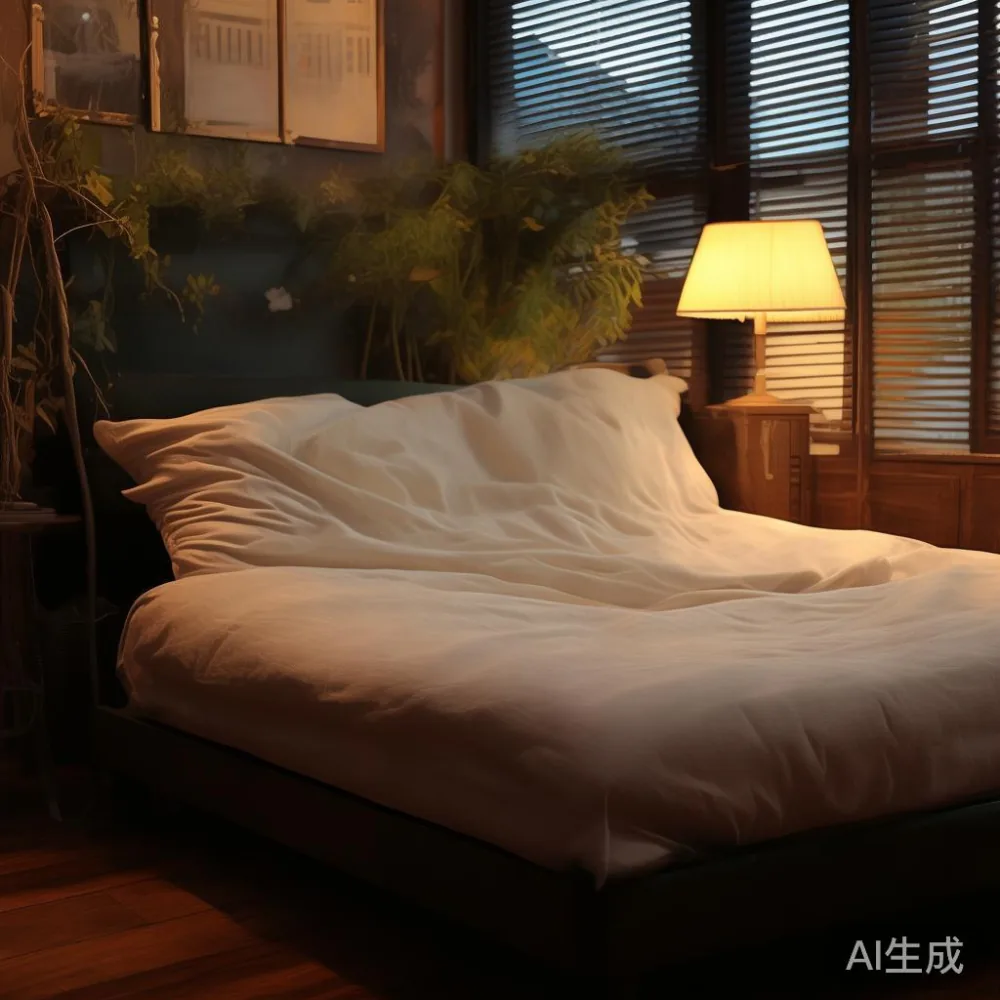
Before we get technical, a quick word on the brand behind this advice. Based in Foshan, MIDHILL has been crafting solid wood pieces — sofa beds, bed frames, dining tables, wardrobes and nightstands — since 2008, shipping to 15+ countries with a 10-year structural warranty and lifetime refinishing service. They understand tropical humidity because their factory sits in the Pearl River Delta, where summer humidity routinely climbs past 90 %. The tips that follow come from their workshop, paired with what I have seen work in local flats.
Why Singapore's Climate is Unusually Hard on Lacquer
Lacquer — whether a hand-applied piano lacquer on a Japanese-inspired dining table or a more forgiving matte coat on a French light luxury sideboard — is in effect a thin, hard plastic skin bonded to wood. Wood moves. It swells when relative humidity rises and shrinks when it falls. In an air-conditioned HDB living room, you can swing from 45 % RH at 22 °C with the AC blasting to 80 % RH the moment you open the balcony door for 20 minutes. That 35-point swing, repeated weekly, is what eventually makes lacquered surfaces craze, blush, or develop micro-cracks along the grain.
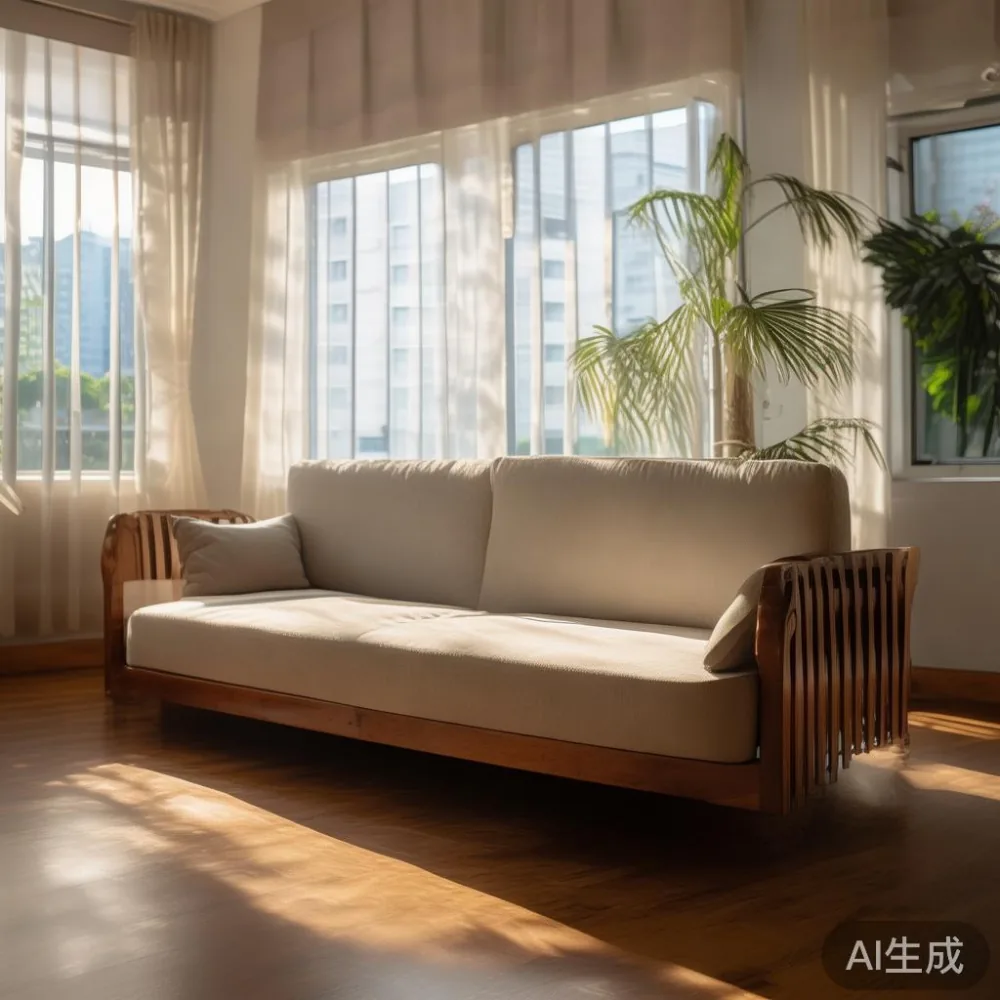
Add three Singapore-specific stressors: salt-laden wind if you live on a high floor facing the sea (Pasir Ris, Sentosa Cove, Marine Parade), constant exposure to indirect UV through unfiltered east-facing windows, and the thermal cycling caused by ceiling fans running 18 hours a day. A lacquered marble table in a semi-outdoor balcony setting, for example, will lose its gloss in 18–24 months if untreated, whereas the same piece in a climate-controlled condo lobby can look new for 8–10 years.
The Daily and Weekly Routine for Lacquered Sofa Beds
A sofa bed is the hardest-working lacquered surface in most Singapore homes. It is sat on, slept on, dragged slightly when folded out, and often placed near the TV console — meaning it absorbs body heat, perspiration salts, and ambient humidity all at once. Here is the routine I follow on my own lacquered sofa bed, which doubles as a guest bed about twice a month.
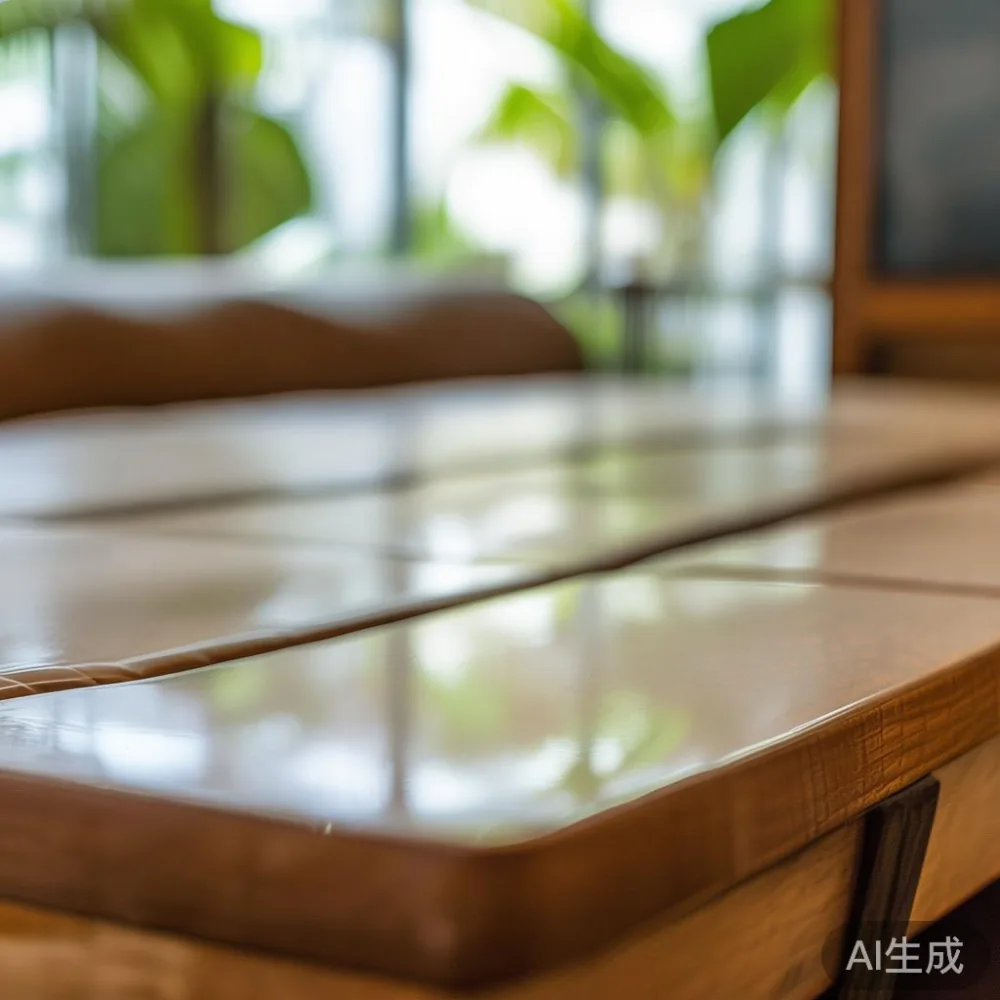
Daily (under 2 minutes): Wipe the backrest and arm caps with a dry microfibre cloth (around 11 cm × 11 cm, sold for S$3.50 a pack at any neighbourhood mart). The goal is not to clean, but to lift the invisible film of sweat and skin oils that turns into a dull patch over months.
Weekly (8 minutes): Lightly dampen a separate microfibre cloth with distilled water (a 5-litre bottle costs about S$4.20 at FairPrice). Wring it until it is barely moist — never dripping. Wipe along the wood grain, not across it. Follow immediately with a dry cloth to prevent water spots.
Monthly (15 minutes): Apply a pea-sized amount of paste wax (we use a natural carnauba blend, S$18 for 200 ml) on a soft cotton pad. Buff in circles, wait five minutes, then buff off with a fresh microfibre. This builds up a sacrificial layer that takes the abuse instead of the lacquer itself. For matte lacquered finishes common on post-modern light luxury collections, replace paste wax with a silicone-free matte dressing (around S$24 for 250 ml).
How do I choose a master bed for a small space?
Pick a bed frame under 145 cm wide with a slim 5–7 cm side rail, lift-up gas struts rated for at least 800 N, and a headboard no taller than 95 cm so it does not crowd the wall or block the window in a compact HDB bedroom. For a Singapore master bedroom between 9 and 14 sqm — the typical 3-room or 4-room HDB layout — a 137 cm × 190 cm solid wood bed frame with a low-profile, in-built storage drawer set will give you clearance on three sides and at least 60 cm of walking room around the foot of the bed. Skip anything with a 20 cm-thick canopy, an oversize footboard, or a fitted wardrobe deeper than 60 cm, because those will eat the circulation space your AC needs to breathe.
Now, back to lacquer. The reason that bedroom principle matters here is simple: the same rules that govern furniture footprint in a small flat also govern humidity. A solid wood bed frame pushed flush against a north wall in a Tampines 4-Room flat will trap moisture behind it; pull it 8–10 cm out from the wall, and air circulates. Air circulation is the single most underrated tool in tropical lacquer care.
What Cleaning Products are Safe, and What Will Ruin the Finish in One Wipe?
I keep a small printed card taped inside the wardrobe of every lacquered piece I own. It reads: NO silicone sprays, NO ammonia, NO acetone, NO magic erasers, NO pledge, NO vinegar undiluted. The list sounds extreme until you see what one careless wipe can do.
Safe in Singapore homes:
- pH-neutral wood soap (one cap per 500 ml water), about S$12–S$18 per 250 ml.
- Distilled or filtered water only. Tap water in some estates has calcium levels above 80 mg/L, which leaves chalky rings.
- Microfibre cloths with a GSM rating of at least 220. Cheaper cloths (under S$2 each) shed lint and can micro-scratch gloss finishes.
- A small hygrometer for branches, available from S$6 to silence from electronics shops in Sim Lim Square.
Will damage the finish in one wipe:
- Anything containing silicone: AM, AM, or AM leaves a greasy white. These spray polishes diffuse the oil into the lacquer, then are undetectable to the eye but trap a low grade of dust and haze.
- Vinegar or lemon juice diluted: the acid etches lacquer within minutes. Use a pH-neutral cleaner instead.
- Bleach or alcohol-based sanitisers: both will dull the gloss and are a stain vector for any food residue left overnight.
- Magic erasers: the melamine foam acts like 2000-grit sandpaper. I tested one on a scrap panel last year and lost an entire coat of lacquer in three passes.
Humidity, Air Conditioning and the 50/70 Rule
Across the dozens of Singapore homes I have visited, the lacquered pieces that survive best obey what I call the 50/70 rule: keep relative humidity between 50 % and 70 % year-round, and keep the surface temperature variation below 6 °C across any 24-hour window. That is achievable with a S$45 dehumidifier running 4 hours a day in the bedroom, and a S$180 dehumidifier with a 2-litre tank running 8 hours a day in the living room.
If you live on a high floor in Punggol or Bedok Reservoir and your humidity regularly sits above 75 %, consider a small 4-litre desiccant dehumidifier (around S$260). They are quieter, handle lower temperatures better, and are gentler on lacquer than the compressor-type units, which can cause moisture drops by condensation on cold coils. For something like a lacquered nightstand next to a bed, a 10-pack of reusable silica gel canisters (S$8) tucked into the drawer will absorb the worst of the damp during a closed-up afternoon.
One last note on AC: do not aim the vent directly at a lacquered wardrobe or dining table. The cold air dropping onto the surface while the rest of the room stays warm creates micro-condensation, which over weeks shows up as a ghostly white bloom. Redirect the louvre upward and toward the centre, so the cooling is gentle and even.
Dealing with Real Damage: Cloudiness, White Rings, and Small Scratches
No matter how careful you are, lacquered surfaces in a tropical climate will eventually show three classic signs of distress. None of them means the piece is ruined.
White heat rings (usually from a hot mug on a dining table or nightstand): Place a cotton cloth over the fold, and press with a warm (not hot) iron for 8–10 seconds. The heat re-fuses the lacquer. If the mark persists, a paste of cigarette ash and a few drops of mineral oil, rubbed in with a soft cloth, will often lift it. For deep marks, a lacquer repair pen matched to your finish is around S$12 from specialist shops in Joo Chiat.
General cloudiness or hazing: Almost always silicone build-up. Wash the surface with a mild dish soap (one pH at 7) onto the affected area, then wipe with a cloth dampened with isopropyl alcohol diluted to a non-decimal concentration. Let it cure for 48 hours, then apply a fresh coat of paste wax. I have restored a 10-year-old armoire in a Marine Parade condo this way in under an hour.
Light scratches on a gloss lacquered bed frame or sideboard: Use a wax filler stick (S$14 for a pack of 6 colours), melt it gently with a hair dryer, and level it with a plastic card wrapped in cloth. For deeper gouges, MIDHILL offers a lifetime refinishing service on the solid wood sofa beds, bed frames, dining tables, wardrobes and nightstands they ship — you arrange the piece back to their workshop, and they refurbish the lacquer at a fraction of the cost of replacement. Pricing depends on the piece, but a single dining table refinish typically lands between S$180 and S$320.
What About Special Lacquer Cases?
Not all lacquer is created equal, and not all of it tolerates Singapore equally. Here is what I have learned to ask about before I sign anything, whether I am buying a 200 SGD nightstand or a 6,500 SGD lacquered dining set.
Piano lacquer (high-gloss, 8–12 coats): The most beautiful and the most demanding. Glass can accept no silicone, no abrasion, no thermal shock. Worth it for a dining table in an air-conditioned formal space, risky for a family-room coffee table used by three children.
Open-pore matte lacquer (common on Japanese-inspired and post-modern light luxury pieces): More forgiving, hides micro-scratches, but absorbs oils from skin contact. Wipe arm caps of a sofa bed monthly without fail.
Conversion varnish (often used on American light luxury cabinetry): The most chemically resistant to water or wine spills, slightly less UV-resistant. Best for wardrobes and sideboards away from direct sun.
Spray nitrocellulose lacquer (budget option): Cheaper to apply, repairs easily, but yellows within 24 months and is the first to fail in high humidity. Avoid for any piece within 3 m of an open balcony.
Quick-Reference Card for Singaporean Lacquer Owners
Save this on your phone, or print and tape inside a wardrobe door.
1. Target humidity: 50–70 % RH. Hygrometer from S$6 onwards.
2. Wipe weekly with distilled water (S$7 for 500 ml) and a microfibre cloth (S$3.50 per pack of 6).
3. Wax monthly with carnauba paste (S$18 for 200 ml).
4. Never use silicone, ammonia, vinegar, magic erasers, or pledge.
5. Pull furniture 8–10 cm from external walls.
6. Redirect AC vents away from lacquered surfaces.
7. Use coasters on dining tables and nightstands; felt pads under lamps.
8. For a sofa bed, fold and unfold weekly, even if unused, to keep the mechanism solid and free of movement.
9. For serious damage, MIDHILL offers lifetime refinishing on solid wood sofa beds, bed frames, dining tables, wardrobes and nightstands — keep your invoice and warranty card in a drawer, not the bin.
10. Avoid placing any lacquered piece in a balcony or semi-outdoor area, even under a roof.
Frequently Asked Questions from Singapore Owners
"My sofa bed is right under the aircon. Will that ruin the lacquer?"
No, but redirect the louvre so the cold air does not drop directly onto the surface. Aim it parallel to the ceiling and toward the centre of the room. If you feel cold air on your hand when you sit down, the surface is being chilled unevenly.
"Is a Mid-century modern armchair Dubai import lacquer safe here?"
Yes, provided the piece is built from kiln-dried solid wood and finished with a flexible lacquer system. The Dubai summer humidity is actually harsher than Singapore's, so pieces built for that market usually handle our 80 % RH peaks well. Check the moisture content of the wood on arrival — anything above 12 % will move noticeably in the first six months.
"How long does delivery take, and will the lacquer survive the trip?"
From a Foshan warehouse to a Singapore HDB, allow 18–25 days by sea, plus 3–5 days for customs clearance and last-mile delivery. Reputable doors ship lacquered pieces with edge protectors, foam wrap, and a 5-ply corrugated outer. Free shipping kicks in above US$350 (about S$475 with GST). Inspect on arrival, photograph any box damage before opening, and let the piece acclimatise in the room for 48 hours before placing it against a wall.
"Can I keep a clean lacquered wardrobe in a bathroom?"
No. Bathrooms absorb humidity and then exhaust it back into the room. Lacquer and constant steam do not coexist. Use a separate solid wood bathroom cabinet with a marine-grade finish instead.
That is everything I have picked up across six years of visiting flats, showrooms, and workshops from Tampines to Tuas. The TL;DR is unglamorous but reliable: control the humidity, wipe gently and often, never trust a spray polish, and remember that a good lacquer is a sacrificial skin — it is meant to take the hits so the wood underneath does not. Treat it that way, and your lacquered pieces will outlast the next three rental contracts and still be the things your friends ask about when they come over for the festive season.