How to Care for a Lacquered Sofa Bed in Singapore’s Humid Climate
A lacquered sofa bed brings two functions into one compact piece of furniture: daytime seating for a Tampines HDB flat and overnight sleeping for a Bedok or Punggol condo. Its surface may look polished and disciplined, but Singapore’s heat, humidity, UV exposure, salt air and frequent hand contact can leave fingerprints, haze, dull patches or fine marks over time. Good care is less about constant polishing and more about controlling moisture, heat, friction and cleaning habits.
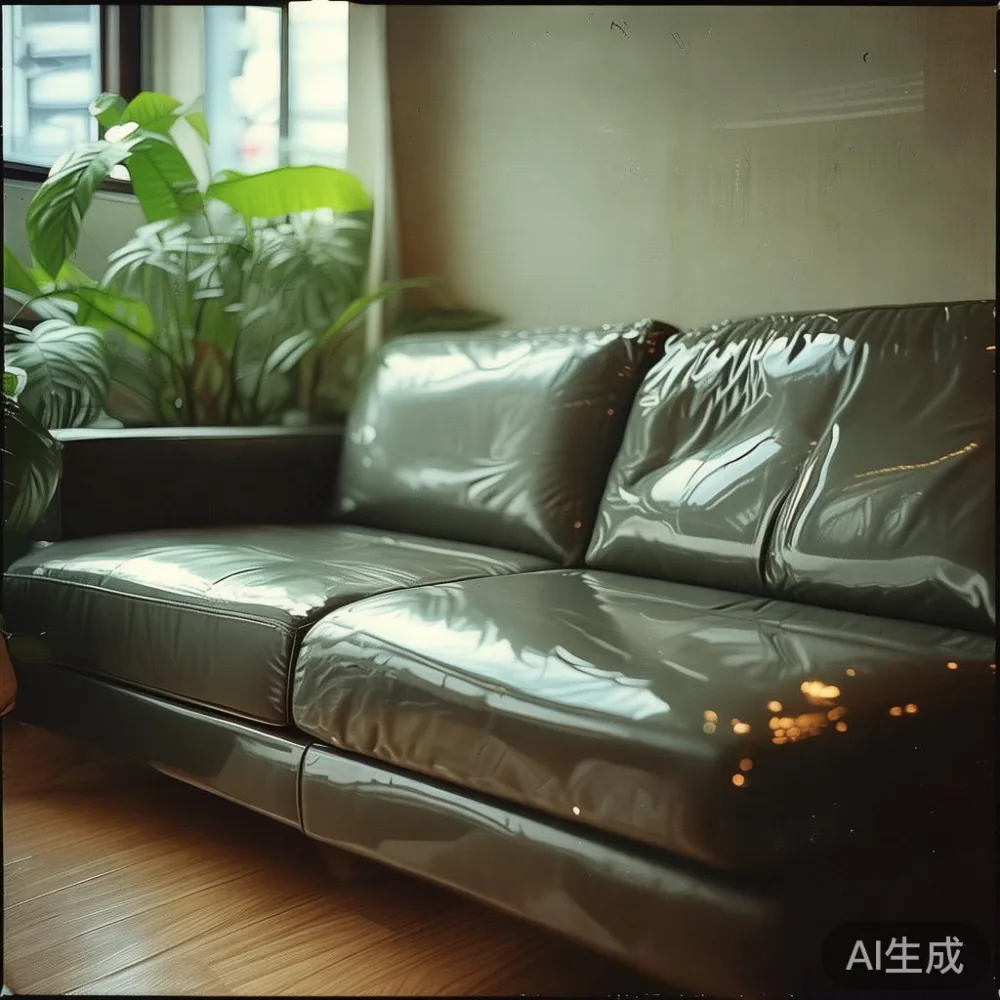
MIDHILL designs solid wood sofa bed frames for practical Singapore homes, balancing the proportions of a compact sofa with the support of a dedicated bed frame. On a lacquered finish, prevention matters because lacquer protects the timber while reflecting light from the room. Small habits performed every week can preserve that finish for years.
Why does lacquer behave differently in Singapore?
Singapore’s relative humidity commonly ranges from about 65% to 85% across the year, while indoor surfaces can reach 30°C during the afternoon. A lacquered surface is less porous than unfinished wood, but it can still react to rapid changes in moisture and temperature. Moving a chilled sofa bed into an air-conditioned living room, then placing it near a sunlit window, may subject the coating to repeated expansion and contraction.
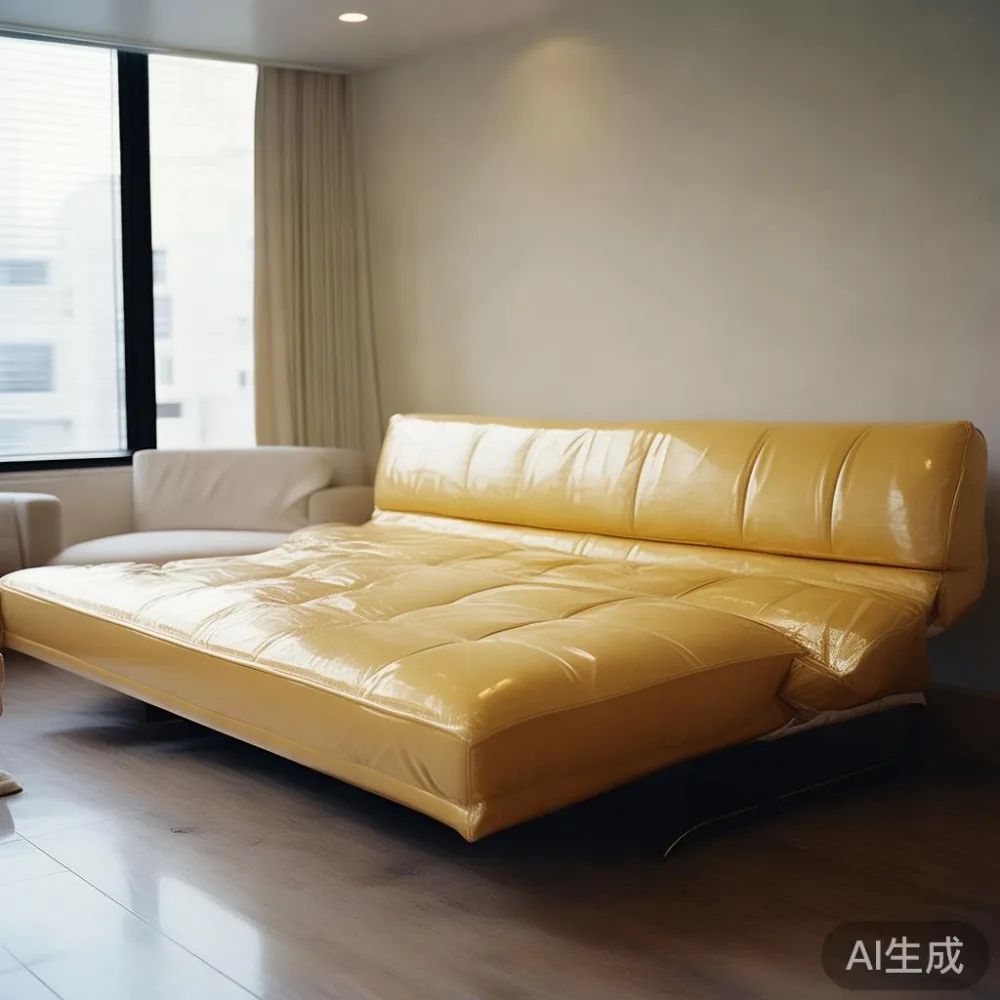
UV radiation is another factor. A west-facing condo near Bedok can receive direct afternoon sun for several hours, while a Punggol balcony may admit glare through glass all day. Prolonged exposure can fade a warm cream lacquer, intensify a pale grey tone or cause an uneven appearance. Polished lacquer can also show dust more clearly because the smooth surface creates sharper reflections than an open-grain finish.
Use the 60% rule as a simple operating guide for the main living area: keep relative humidity near 60% where the building’s dehumidifier permits. In practice, run air conditioning or dehumidification when humidity stays above roughly 70%, and leave about 30 cm of breathing space between the sofa bed and a wall or radiator. Keep it at least 1 metre from windows that receive direct afternoon light, where layout allows.
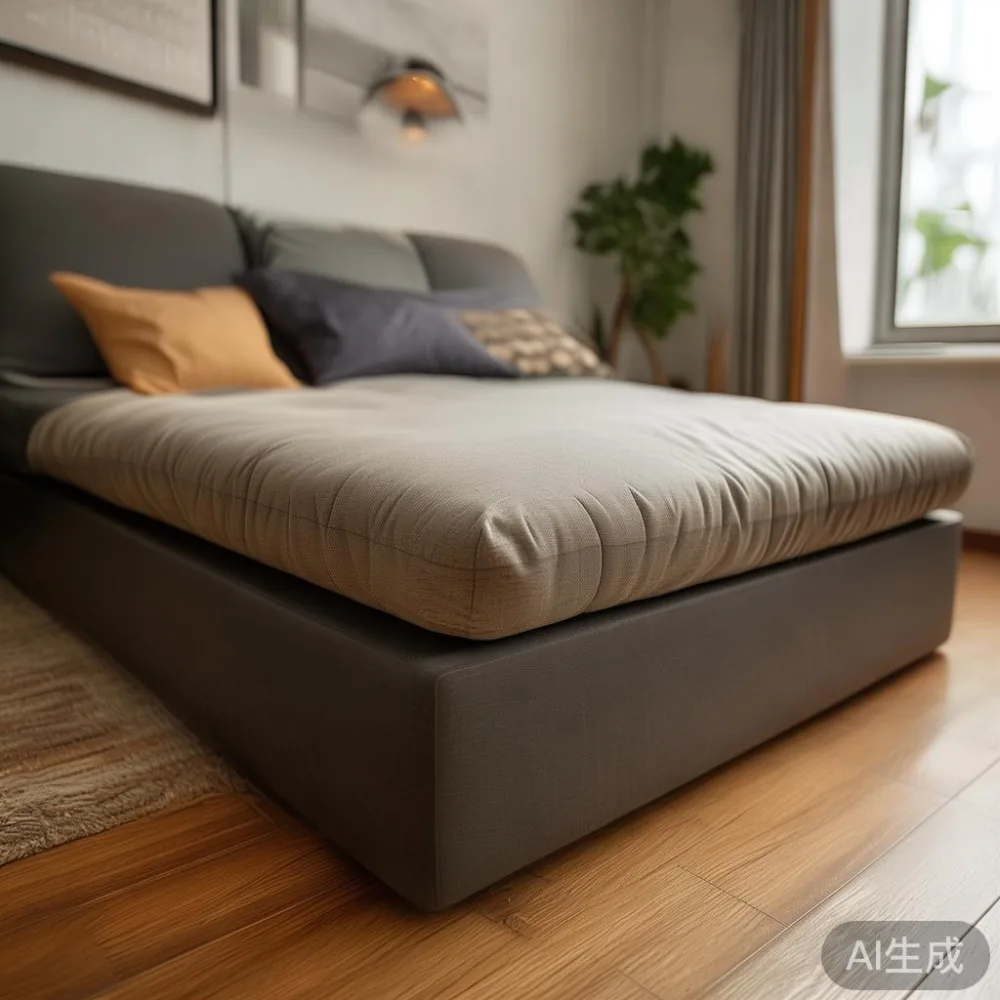
What supplies should a Singapore household keep on hand?
A microfibre cloth around 30 cm square is the main tool. Its fine fibres lift dust without dragging grit across the lacquer. Keep two cloths: one for dry dusting and another for damp cleaning. A soft, lint-free cotton cloth works for final buffing, while a clean artist’s brush in the 25–50 mm range can remove dust from narrow frame joints without scratching.
For routine care, choose a pH-neutral wood lacquer cleaner or mild dish detergent diluted carefully. Use no more than 5 ml of detergent in 500 ml of lukewarm water, then test the mixture on a concealed area measuring roughly 10 cm by 10 cm. Wipe with a damp cloth rather than soaking the finish. Avoid silicone furniture sprays, ammonia, alcohol, bleach, acetone, paint thinner and “renewal” polishes containing abrasive wax.
A controlled humidifier can help during unusually damp periods, but it should not be directed at the furniture. Set it to around 50–60% relative humidity, with a target of no more than 3% daily variation. Place it at least 1 metre away from the sofa bed. Furniture coasters, felt pads and a small 1–2 kg cleaning weight can also prevent accidental knocks, though the weight should never be placed directly on a sleeping surface.
How should I clean the lacquer without damaging it?
Begin by removing dust every 7 days. Vacuum the floor around the sofa bed with a brush attachment, then wipe the lacquer with a clean, dry microfibre cloth from the back edge towards the front. Work in overlapping strokes and change the cloth when it becomes dusty. This prevents grit from being pushed into corners or dragged over the surface.
For marks, act within a few minutes. Neutralise sticky food residue with a lightly damp cloth, then dry immediately. For fingerprints, a cloth barely damp with clean water is normally enough. Allow about 15 minutes for the surface to dry before using the sofa bed, and never rub in circles, since circular motion can create a visible swirl under reflected light.
Clean spills promptly, especially drinks containing sugar, milk or juice. Blot rather than scrub, and check underneath removable seat cushions and around pull-out hardware. A lacquered solid wood sofa bed may have joints and edges where moisture collects, so inspect those areas every month.
Do not place an electric kettle, humidifier, diffuser or cup of hot coffee directly on the finish. Use a coaster with a minimum diameter of 8 cm. Avoid coasters made from rough cork or untreated wood, as trapped moisture or sharp edges may mark lacquer. If a lacquer panel has already chipped, do not apply household oil; leave the area dry and arrange professional assessment.
How can I reduce heat, sunlight and everyday wear?
Position is the most practical form of protection. In an HDB living room with a compact corridor, the sofa bed may sit close to the main route. Add a slim 80–90 cm console or side table only if a clear passage of at least 60 cm remains. It creates a boundary against trolley handles and shoes while complementing the wood tones of a dining table or nightstand.
For UV control, consider solar film with a visible light transmission of roughly 40–60% for exposed windows. Test a sample first, because darker films can alter the colour perception of cream, taupe and grey lacquer. Curtains or blinds provide useful diffusion when closed during peak sun from about 11 a.m. to 4 p.m. Do not drape fabric directly over the sofa bed, because it can trap heat and humidity.
Use the bed conversion sparingly. A high-quality sofa bed designed for daily function should tolerate regular use, but leaving it open for 8–12 hours every night increases exposure to body oils, humidity and movement. Vacuum the mechanism and wipe accessible lacquered rails monthly. For a mattress protector, select a breathable fitted sheet rated for a 10–14 cm mattress depth, depending on the model.
For households sharing the room with children or pets, use a washable throw with a backing rather than loose blankets. Keep pet claws trimmed and provide a designated resting mat about 50 cm from the sofa bed. This reduces the repeated impact of a tail or collar against the frame.
How should I care for the wood beneath the lacquer?
Lacquer is a protective layer, not an invisible barrier against every environmental change. Solid wood can expand across its grain as humidity rises, so the internal frame still requires stable conditions. Keep the sofa bed away from air-conditioning outlets that create rapid temperature swings of 5°C or more. If the unit sits beside a balcony door, close it during heavy rain or when outdoor humidity is especially high.
Inspect the solid wood sofa, bed frame, dining table, wardrobe, nightstand and marble table nearby for telltale signs of imbalance. A solid wood component may show a white haze or dull area when moisture has been trapped beneath the finish. Blot the surface, improve ventilation and avoid applying oil, wax or furniture polish over the lacquer.
Minor scuffs sometimes respond to a clean microfibre cloth used with light pressure, but deeper scratches require care. Use the corner of a soft cloth to buff along the grain only if the finish is truly uncoated; do not use this technique on lacquer. A repair kit matched to the exact sheen should be used sparingly, following the coating manufacturer’s cure time, commonly 24–72 hours.
MIDHILL’s 10-year structural warranty covers the underlying construction rather than every cosmetic scratch. Its lifetime refinishing service gives owners a route for restoring the piece later, provided the service terms and condition requirements are followed. Keep purchase records, care notes and photographs of the finish in a digital file, especially when the sofa bed is used daily.
What should I do before the sofa bed is delivered?
Measure the lift, landing and corridor before selecting a model. Record the narrowest corridor width and compare it with the sofa bed’s widest fixed dimension, allowing at least 5 cm of clearance on each side. Check the lift door width too; a nominal 80–90 cm doorway does not guarantee the same usable width once the door is open.
Protect the route with floor covering from the HDB or condo lobby to the unit. Use a rigid board around 1.5–2 mm thick for wheels, and add cardboard sheets beneath it. The delivery team should have the unit’s packed dimensions, gross weight and turning plan. Clear a 120 cm by 120 cm area near the final position for assembly and inspection.
After delivery, allow the lacquer and any adjacent materials to acclimatise for 48–72 hours before intensive cleaning. Singapore’s 9% GST is included in displayed retail pricing, while additional delivery, lift or placement charges should be confirmed in SGD before the appointment. MIDHILL provides free shipping on qualifying orders over US$350, with delivery timing confirmed for each destination; local orders and international logistics are separate arrangements and should not be assumed to follow the same schedule.
Check the finish under daylight and under the room’s evening lighting. Photograph each panel from 1 metre away and record its condition. This takes about 15 minutes and makes later warranty or refinishing discussions clearer.
How do I fit a lacquered sofa bed into a compact Singapore interior?
A sofa bed works best when its visual footprint remains calm. Choose a low-backed profile, a restrained palette and no more than 2–3 cushions on the seat, unless the model specifically supports another arrangement. If searching for how to style Japanese sofa in room ideas, low furniture, pale timber, clean horizontal lines and measured negative space can help the lacquered finish feel intentional rather than crowded.
For sleeping arrangements, allow a clear width of about 70–90 cm beside the unit where possible, but preserve at least 60 cm for circulation. In a compact HDB flat, one small table may be more useful than several decorative pieces. A marble table introduces a cool counterpoint, while a dining table with a solid wood base echoes the sofa bed’s material construction.
Storage should also relate to the bed function. A fitted wardrobe with closed fronts reduces visual clutter and protects clothing from the same humidity affecting the living room. If you are comparing how to style Japanese wardrobe in bedroom layouts, consider sliding panels, pale finishes and shallow depth. Keep the open clearance around a wardrobe at 90 cm where possible, with 60 cm as a practical minimum for frequently used sections.
Design references can help when comparing finish directions. French light luxury often pairs cream upholstery with warm timber and gentle metallic details. American light luxury favours broader profiles and relaxed comfort. Post-modern light luxury can introduce geometric shapes and a more deliberate contrast. In any of these styles, the lacquered surface should remain the focus rather than compete with excessive ornament.
Which care mistakes cause the most damage?
The most harmful habits are acidic cleaners, excess water, direct sunlight and abrasive rubbing. Citrus cleaners can soften some coatings; alcohol-based products may create patchy sheen; rough pads can leave permanent scratches. A damp cloth that is visibly dripping should never touch lacquer. After any cleaning, dry with a separate clean cloth within 2 minutes.
Do not assume polish is necessary. A fresh layer of wax or oil can create a temporary shine but traps contaminants and alters reflections. Test every product on a hidden section for at least 24 hours before using it on a visible panel. The same discipline applies to lacquer care products marketed for other materials.
Watch for early warning signs: stickiness after wiping, a rainbow-like sheen under reflected light, bubbling, lifting at an edge or a dull area that does not disappear after dry dusting. Stop using cleaners and maintain stable humidity for 48 hours. If the mark remains, seek advice before applying a corrective treatment.
For broader furnishing research, top 10 Coastal furniture lists often suggest pale timber, woven textures and marine colours. Those ideas can work in a Singapore condo, but outdoor-rated “marine” finishes are not automatically suitable for a lacquered indoor sofa bed. Confirm the coating specification and maintenance instructions rather than relying on appearance.
When comparing bedroom storage, guides to the best European wardrobe for 2026 may highlight joinery, internal fittings and durable finishes, while a best Modern light luxury wardrobe for 2026 focuses more on clean geometry and refined materials. These are useful design filters, but the clearance, installation route and humidity performance matter more in an HDB or condo bedroom.
Someone comparing product categories may also search for the best Minimalist bed for 2026. A minimalist bed can reduce visual weight, yet a sofa bed must still meet its actual sleeping dimensions, mechanism needs and room access. Finish longevity should be considered alongside conversion convenience, especially when lacquer is part of the design.
How often should a lacquered sofa bed be maintained?
Use a simple schedule based on actual household activity. Dust weekly, inspect visible surfaces monthly and clean spills immediately. Check humidity readings every few days during rainy periods. Every 6 months, inspect the lacquered edges, pull-out mechanism, frame joints and floor protectors, tightening or replacing loose felt pads as needed.
After a year of regular use, schedule a more detailed inspection. Look for colour change, scratches, joint movement and uneven sheen under oblique light. A furniture specialist can distinguish surface contamination from coating failure, reducing the risk of unnecessary treatment.
For the owner of a lacquered sofa bed in Singapore, the best routine is measured and repeatable: 5 minutes of dry dusting each week, immediate attention to spills, stable humidity near 60%, protection from direct sun and careful control during every delivery or renovation. The finish will remain more even when furniture is treated as part of the room’s climate system rather than as an isolated object.