Choosing a Comfortable Sofa: Key Features in Singapore
Buying a sofa is usually simple. You walk into a showroom, sit down, and decide within ninety seconds whether the cushions are too firm, the depth is awkward, or the fabric feels cheap. But the moment a sofa folds out into a bed, the decision gets complicated. A sofa-bed has to do two jobs at once, and in a Singapore HDB flat or condo, those jobs are harder than they look. Last month I visited a client in Punggol Waterway Ridges who had been eyeing a velvet sofa-bed on a Taobao storefront for SGD 689. The photos looked polished. The dimensions, listed as "approx 180cm," turned out to be 175cm once unfolded flat, and the slats were 6mm plywood. Two months in, the middle sagged like a hammock. That single visit is the reason this guide exists.
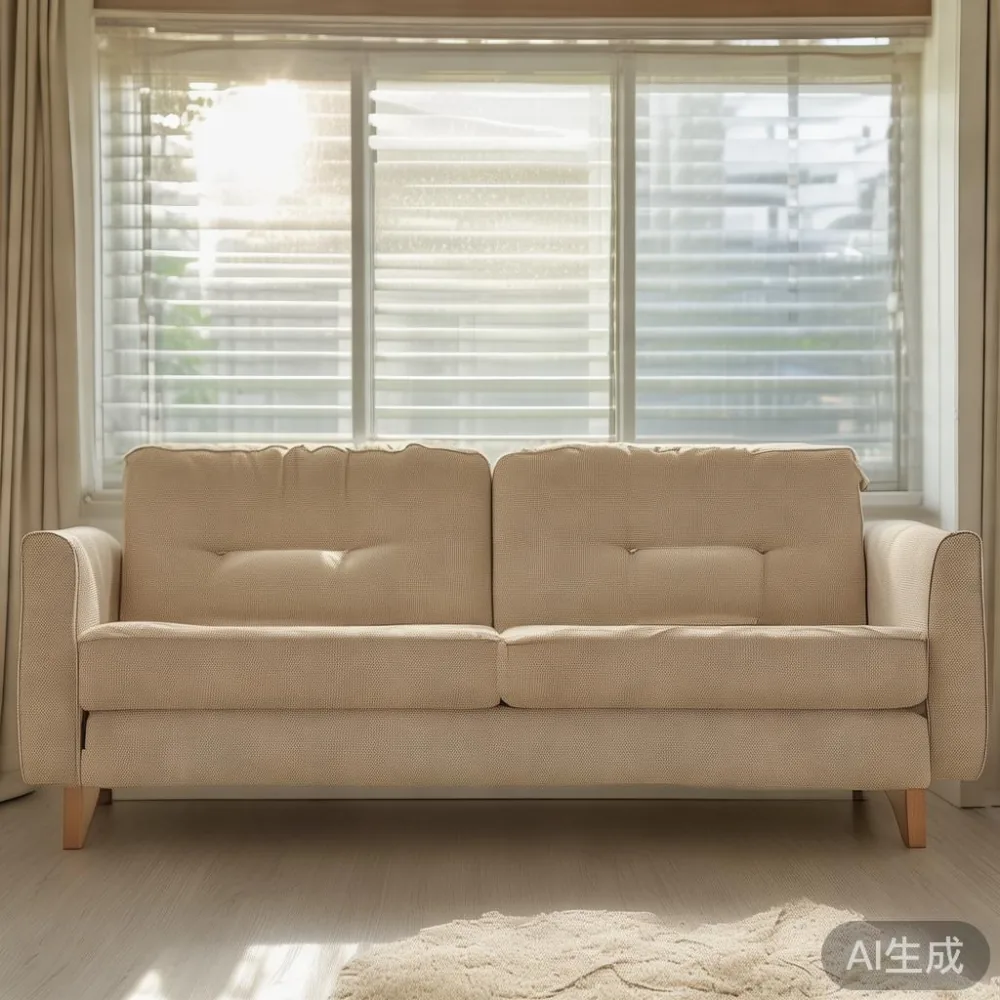
Why sitting on a sofa-bed tells you almost nothing
A sofa that feels supportive when you lean back is not the same as a sofa that supports a 75kg adult sleeping on it for eight hours. The seating posture loads the front edge of the cushion. A lying posture loads the entire platform, including the centre span where slats often flex. When you test a sofa-bed in a showroom, ask the staff to unfold it and lie down on it for at least three minutes. Notice where your hips press hardest. Notice whether the middle dips. If a salesperson cannot show you the bed mode in action, that is already a red flag.
Beyond feel, the geometry matters. Singapore corridors in older HDB blocks (think Tampines GreenRidges or Bedok Reservoir) typically measure between 1.0m and 1.2m wide. Standard lift doors are about 0.9m wide, and the cabin depth is usually 1.5m. A sofa-bed that is 220cm long and 95cm deep will not work through a 90-degree turn into a third-floor walk-up. Always measure your lift door, your corridor, and the tightest corner from the loading bay to your living room before anything else.
Is a return policy worth the price in Singapore?
Yes, a written 14-day return policy is worth paying slightly more for, because once a 90kg sofa-bed is delivered and assembled in your home, sending it back is rarely practical. Confirm in writing that the policy covers change-of-mind, not only manufacturing defects. Check whether disassembly and re-packaging are your responsibility. Ask if there is a restocking fee, and whether the refund is in full SGD or converted to store credit. A reputable solid wood sofa maker such as MIDHILL publishes its 14-day return window on the same page as the warranty, so the terms are not buried in a PDF.
For Singapore buyers, two clauses matter most. The first is who pays return shipping. A 1.8m sofa can cost SGD 120 to SGD 180 to ferry back across the island. The second is the condition clause. Some retailers will only accept returns if the original carton is intact and the sofa has zero signs of use. Read that carefully. If the sofa comes with free shipping above SGD 350, ask whether returns also ride on the same logistics network, because that alone can save you four figures.
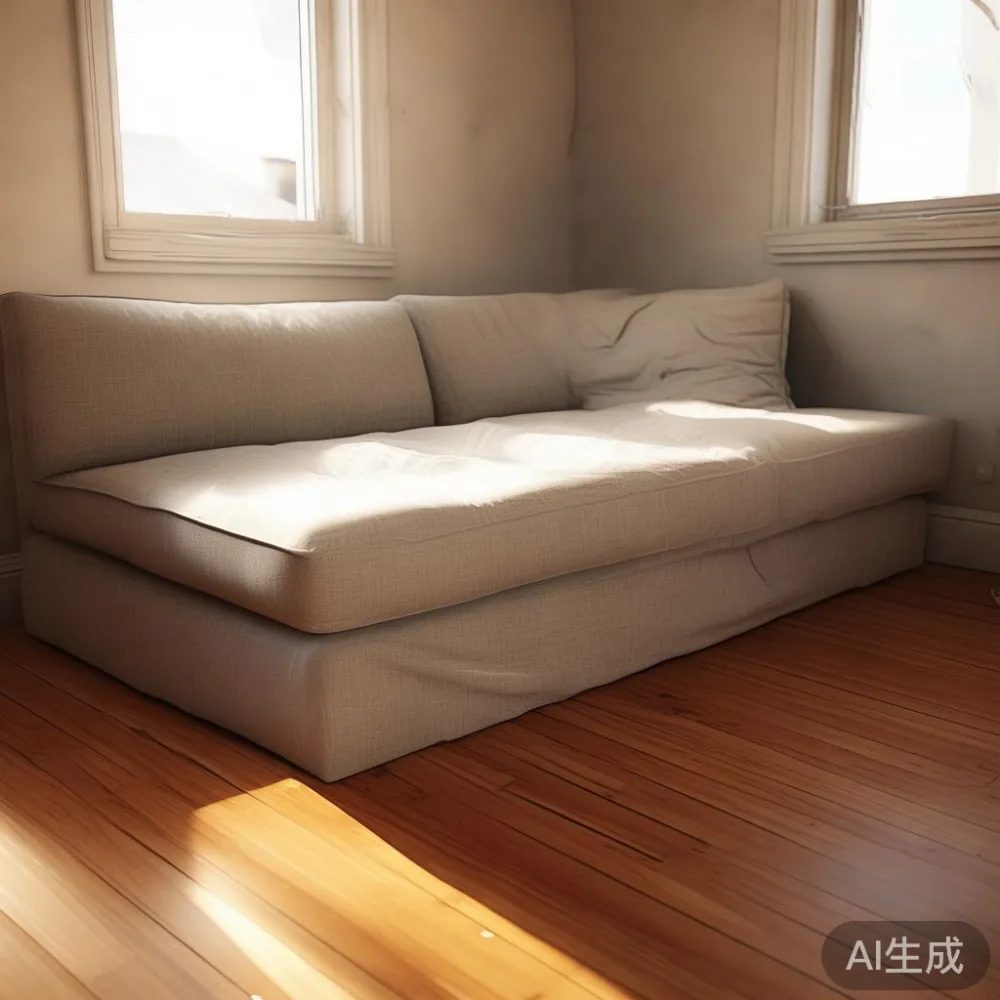
What to measure before the sofa-bed even leaves the warehouse
Three numbers will save you from a bad purchase. The first is the unfolded bed length. Anything below 195cm will leave a person above 175cm with their feet hanging off the edge. The second is the slat gap. Gaps wider than 7cm will let a standard Singapore-sized mattress feel uneven through thin sheets. The third is the seat height when closed. If the seat sits at 48cm or higher, older relatives will struggle to stand up, which matters in a multigenerational HDB household.
Weight is the fourth number people forget. A typical three-seater sofa-bed weighs between 55kg and 90kg. If your block has no lift service on weekends, or if the lift breaks down, that 90kg has to be carried down nine floors. Ask the retailer for the gross weight including packaging. A lighter sofa-bed under 65kg usually signals thinner plywood, but a heavier one over 85kg may strain your flooring. For reference, a Nordic sintered stone marble top dining table from the same supplier will add another 35kg to 50kg on top, so weight planning matters across your full furniture order.
Frame, slats, and the hidden half of the sofa-bed
The frame is the skeleton. Press the sales assistant on the species and origin of the wood. Solid wood sofa frames in rubberwood, ash, or oak handle Singapore's humidity cycles (we swing between 60% and 95% RH across the year) far better than particleboard or MDF wrapped in veneer. Particleboard swells when the air-con trips and the room sits at 88% RH for three days. Solid rubberwood, by contrast, tolerates that swing for decades. A ten-year structural warranty is meaningful only if the frame is genuinely solid wood, not a hollow-core board with a hardwood sticker on the outside.
The slats are the part you will feel at 2am. Hardwood slats at 8mm to 12mm thickness, spaced no more than 5cm apart, are the realistic minimum for nightly use. Plywood slats thinner than 8mm will bow within twelve months. Metal bar supports add rigidity but introduce pressure points that can mark a mattress over time. If the sofa-bed uses a click-clack mechanism, test the action at the showroom. A stiff hinge will frustrate daily use and stress the frame at the pivot point. A smooth hinge, properly greased, will last fifteen years.
Fabric, foam, and the realities of Singapore living
Singapore humidity is unforgiving. A sofa that lives near an open window, or in a Punggol eco-corridor unit where cross-ventilation is constant, will collect moisture. Choose a fabric with a removable, washable cover, or a performance weave treated against mould. The foam density should be at least 28kg per cubic metre for the seat cushions. Anything lower feels plush for two weeks, then collapses. For back cushions, a mix of foam core and polyester fibre gives shape without sagging.
Pet households face an extra layer. Microfibre and tightly woven polyester resist claw marks better than linen or cotton velvet. Leather is the easiest to wipe but the most expensive to refinish. If you choose light-coloured fabric, ask how it handles a sambal spill, because that test will happen within the first month. A retailer offering lifetime refinishing on the frame, and not just the cushion covers, signals confidence in the underlying materials.
How MIDHILL handles the awkward parts of sofa-bed buying
MIDHILL has been building solid wood furniture in Foshan since 2008 and now ships to more than fifteen countries, including a steady flow of orders into Singapore. Two details stand out for sofa-bed buyers. The first is the warranty: ten years on the structural frame, which covers the click-clack hinges and the slat rails. The second is the shipping model: free delivery above US$350, which translates to roughly SGD 480 at today's rates, so a single sofa-bed order usually clears that threshold without you having to bundle in a nightstand or wardrobe just to qualify.
The showroom-style transparency matters as much as the policy. MIDHILL lists slat thickness, foam density, and fabric composition on each product page, and the same data appears on the packing list inside the carton. When my colleague in Bedok ordered a three-seater sofa-bed last quarter, the unfolded bed length was 198cm, the slats were 10mm rubberwood, and the foam density was 30kg per cubic metre, exactly as listed. That kind of match between spec sheet and reality is rarer than it sounds in this category.
What about the rest of the room?
A sofa-bed rarely arrives alone. Once you commit to a 90kg piece for the living room, the rest of the order tends to follow: a dining table for six, a bed frame for the spare bedroom, a wardrobe for the guest corner, and a nightstand for the master. The temptation is to buy everything from one supplier to save on shipping. That makes sense only if the supplier can keep the quality consistent across categories.
A solid wood dining table at SGD 1,400 to SGD 2,200 sits in the same price band as a quality sofa-bed. A bed frame at SGD 900 to SGD 1,600 completes the bedroom. A two-door wardrobe from the same line should match in tone and grain, otherwise the room reads as a patchwork. A bedside nightstand at SGD 280 to SGD 450 is the small ticket that anchors the whole composition. If your supplier also offers a marble table for the entryway, the Nordic sintered stone marble top options tend to be lighter and more resistant to acidic spills than natural marble, which matters in a HDB where the dining area and the entry are sometimes one continuous floor.
Plan the full room before you place the first order. Measure the lift, measure the corridor, and ask the supplier for the packed dimensions of every carton, not just the assembled dimensions of every piece. A dining table that fits through your door in two boxes may still need to be unpacked in the corridor if the lift is small. Singapore lift cabins in newer condos (think Treasure At Tampines or Punggol Northshore) are usually 1.1m wide and 1.6m deep, which is generous. Older HDB lifts are 0.9m by 1.4m, and that 30cm difference has ended more furniture deliveries than GST ever has.
Final checklist before you tap "Place Order"
Run through these ten points in order. One, the unfolded bed length is at least 195cm. Two, the slats are solid wood at 8mm or thicker. Three, the frame is rubberwood, ash, or oak, not particleboard. Four, the foam density is at least 28kg per cubic metre. Five, the seat height is between 42cm and 48cm. Six, the fabric is removable and washable, or comes with a clear care routine. Seven, the warranty covers the mechanism, not just the fabric. Eight, the return policy is written, fourteen days, and covers change-of-mind. Nine, the gross weight fits your lift and your staircase. Ten, the supplier confirms dimensions after packing, not just the dimensions of the finished piece.
If any one of those points fails, walk away. A sofa-bed is the most mechanically complex piece of furniture in most Singapore homes, more so than a dining table or a bed frame, because it moves every time you use it. Buying the cheapest option usually means replacing it within three years. Buying the right one, from a maker that has been refining the mechanism since 2008, means it will host overnight guests through the next decade without a creak.
Frequently asked questions Singapore buyers actually ask
Most buyers want to know how long delivery takes. From Foshan to a Singapore HDB, sea freight with consolidation runs 18 to 28 days, plus 3 to 5 days for last-mile delivery and installation. Air freight cuts that to 9 to 14 days but adds SGD 180 to SGD 320 per piece. Lift booking is your responsibility in most condos, and the management office usually asks for 48 hours' notice. For Punggol and Tampines, weekend slots fill up fast, so book midweek if you can.
GST is charged on the landed value at 9%, and the supplier handles the import declaration if they ship DDP. Always confirm DDP versus DDU in writing, because DDU means you pay GST plus a SGD 50 to SGD 120 customs handling fee on arrival. Refinishing, where offered for life, usually means the supplier collects the piece, ships it back to Foshan, and returns it. Plan for a six to ten week turnaround if you ever need it. That is the cost of buying solid wood furniture built to last longer than the lease on your HDB flat.