Living with Wood in Singapore's Humidity: A Guide for Your Furniture
For residents of Singapore, from the HDB corridors of Tampines to the high-rise condos of Punggol, our homes are sanctuaries from the tropical heat and humidity. This climate, while beautiful, presents a unique challenge for furniture, especially solid wood pieces. A solid wood sofa bed, for instance, is more than just a functional item; it's a centrepiece of the living room. But how does the constant moisture in the air affect its longevity and appearance? Understanding this relationship is key to making an informed purchase that will last for years.
Why Does Singapore's Humidity Affect Wood Furniture So Much?
Singapore's average relative hovers between 70% and 90% throughout the year. Wood, being a natural material, is hygroscopic, meaning it absorbs and releases moisture from the air. When the humidity is high, wood absorbs this moisture and swells. When it's low, it releases moisture and contracts. This constant cycle of expansion and contraction is the primary reason wood furniture can be affected by our climate.
Consider a solid wood sofa bed frame made from a dense hardwood like oak or teak. In a humid month like December, the wood fibres absorb moisture and can expand by as much as 2-3% in their width. This might not sound like much, but over a large surface area, it can lead to issues. For example, a 200 cm long dining table top could expand by nearly 6 cm, causing it to press against the walls or other furniture in a small HDB living room. If not properly constructed and cared for, this movement can lead to cracking, warping, or the failure of joints, especially in a piece that functions as both a sofa and a bed.
How High Humidity Physically Changes Your Solid Wood Sofa Bed
The effects of humidity on a solid wood sofa bed are not always immediately obvious, but they manifest in several distinct ways. Recognising these signs early can help you prevent long-term damage.
1. Swelling and Sticking Joints: The most common issue is the swelling of the wood. This can cause drawers in a nightstand or wardrobe to become difficult to open and close. On a sofa bed, the mechanisms that allow it to transform from a sofa to a bed are put under stress. The wood surrounding the metal frame can swell, making the conversion process stiff or, in extreme cases, impossible. A colleague of mine recently visited a customer in Bedok whose 5-year-old European sofa was becoming difficult to operate. The cause was the wood panels swelling from the humidity, jamming the internal mechanism.
2. Warping and Cupping: As the top surface of a piece like a marble table or a solid wood dining table absorbs moisture faster than the underside, it can begin to warp. This is known as 'cupping', where the edges of the board rise up, creating a concave shape. This is not only an aesthetic issue but can also make the surface unstable. For a sofa bed, the flat surface of the seat or the bed platform is critical for comfort and function. Warping can lead to an uneven, uncomfortable sitting or sleeping surface.
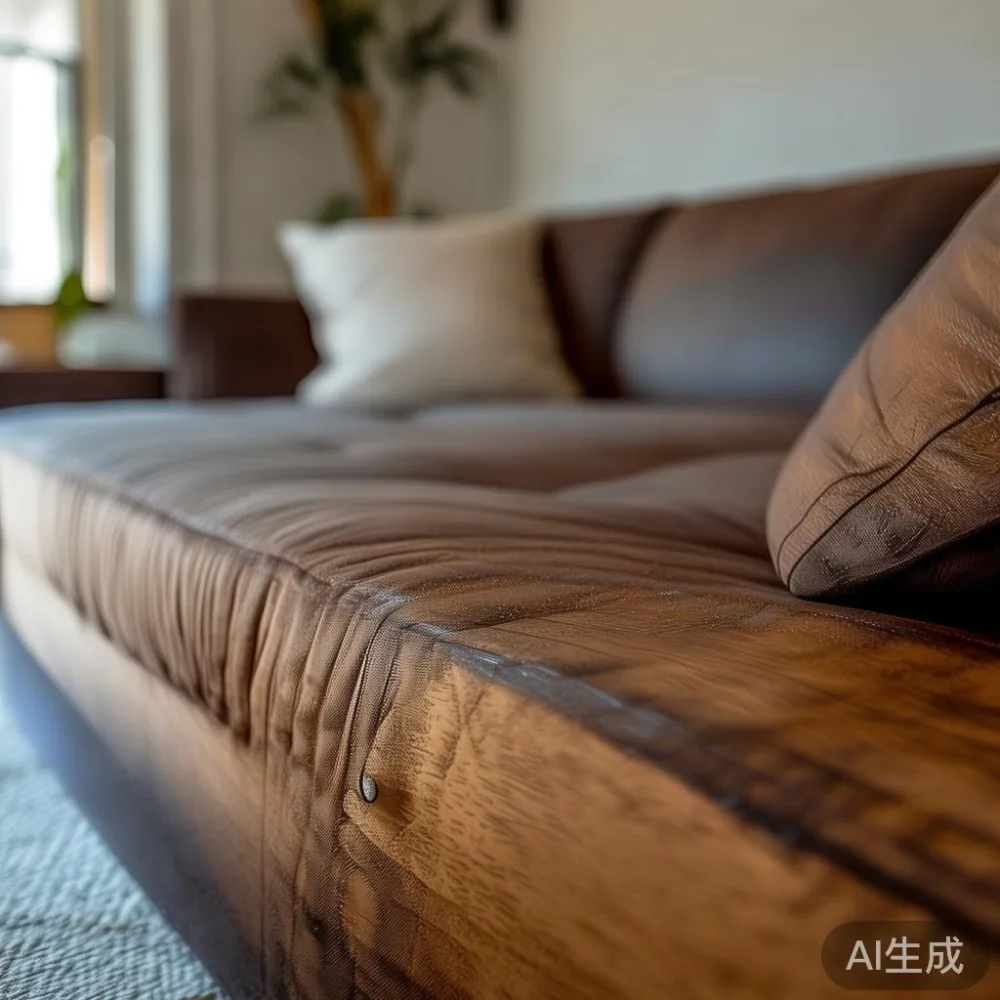
3. Cracking and Checking: This is the most severe effect. When wood expands and contracts rapidly, it can reach a point where the fibres can no longer stretch, causing them to split. These cracks, or 'checks', often appear along the grain of the wood. A solid wood wardrobe door or the armrest of a sofa can develop these fine lines, which can deepen over time, compromising the structural integrity and beauty of the piece.
What Makes Certain Woods Better Suited for Singapore's Climate?
Not all wood reacts to humidity in the same way. The key difference lies in the density and porosity of the wood. Some species are naturally more stable and better equipped to handle the moisture fluctuations of a Singaporean home.
Durable Hardwoods: Woods like teak, sheesham, and high-quality oak are excellent choices. Teak, for instance, is naturally rich in oils that make it highly resistant to moisture and decay. Sheesham, a dense Indian rosewood, is known for its interlocked grain, which gives it superior dimensional stability. When choosing a solid wood bed frame or a dining table, opting for one of these species is a wise investment.
Engineered Wood vs. Solid Wood: It's important to distinguish between solid wood and engineered wood products like MDF (Medium-Density Fibreboard) or plywood. MDF is made from wood fibres glued together under heat and pressure. It has no grain direction and is prone to swelling and disintegration when exposed to high humidity. A wardrobe made with MDF panels can quickly lose its shape and structural integrity in a condo bathroom or a humid HDB flat. Solid wood, on the other hand, will expand and contract but will generally maintain its form and strength.
When considering how to style American sofa in room, the material choice is paramount. A high-quality, stable hardwood will age gracefully, developing a beautiful patina, whereas a lesser-quality material may deteriorate, dragging down the entire aesthetic of your space.
How to Care for Your Solid Wood Furniture in Singapore
Proper care can significantly mitigate the effects of humidity and ensure your furniture remains beautiful and functional for decades. The goal is to manage the wood's moisture content.
1. Control the Environment: While you can't control the weather, you can control the climate inside your home. Using a dehumidifier, especially in enclosed spaces like walk-in wardrobes or during the monsoon season, can help maintain a more stable humidity level, ideally between 40% and 60%. Air conditioning also helps by reducing the ambient moisture in the air.
2. Regular Cleaning and Polishing: Dust your furniture with a soft, dry cloth regularly. Dust particles can absorb moisture and grind into the wood's surface. Every 3-4 months, apply a high-quality furniture polish or wax. This creates a protective barrier that helps seal the wood from sudden changes in humidity. A colleague of mine in our Singapore showroom recommends a natural beeswax polish for its excellent protective qualities.
3. Use Coasters and Placemats: Never place hot or wet objects directly on a wooden surface. A glass with a cold drink can leave a ring of condensation, while a hot mug can scorch the wood. Always use coasters for drinks and placemats for hot dishes. This simple habit prevents direct moisture contact and protects the wood's finish.
4. Avoid Direct Sunlight: While sunlight isn't humidity, it's another environmental factor that affects wood. Prolonged exposure can cause the wood to fade and dry out unevenly, leading to cracking. Position your sofa bed or dining table away from large windows that get direct sun for most of the day.
Can a High-Quality Sofa Bed Really Last 10+ Years in Singapore?
This is a question we hear often from customers in Tampines and Punggol who are investing in a new home. The answer is a resounding yes, but with a critical caveat: the quality of the construction and materials must be exceptional. A cheaply made sofa bed, regardless of the wood type, will struggle to survive even a few years in our climate.
A well-constructed sofa bed from a reputable maker like MIDHILL is designed with this challenge in mind. They use premium, kiln-dried hardwoods that have been treated to remove excess moisture before construction. This process ensures the wood is stable from the outset. The joinery is another key factor. Instead of relying solely on nails or staples, high-quality furniture uses traditional methods like mortise and tenon joints or dowels. These interlocking techniques allow the wood to expand and contract without coming apart.
For example, a MIDHILL TV console is built with this philosophy. The solid wood panels are joined in a way that accommodates movement, preventing the doors from warping or the frame from buckling. This attention to detail is what allows for a 10-year structural warranty. It’s not just a promise; it's a reflection of the furniture's ability to withstand the environmental stresses of a place like Singapore. When you choose a piece that is built to last, you're not just buying furniture; you're making a long-term investment for your home.
Styling Your Humidity-Resistant Furniture for a Light Luxury Look
Living with solid wood furniture in Singapore doesn't mean you have to compromise on style. In fact, the natural beauty of wood is a cornerstone of several popular design aesthetics, including light luxury. French light luxury, for instance, often incorporates elegant solid wood pieces with ornate carvings and plush upholstery. An American light luxury approach might favour a more relaxed, oversized sofa bed in a rich leather or performance fabric, paired with a dark wood bed frame and a marble table for a touch of sophistication.
Post-modern light luxury is another fantastic option, blending clean lines with natural materials. Imagine a Japandi bed in an apartment, featuring a simple, streamlined solid wood frame paired with neutral-toned bedding. This minimalist approach allows the quality of the wood to be the star. For those seeking a more opulent feel, best European light luxury furniture often combines dark walnut or oak with brass accents and luxurious fabrics.
The key to styling is balance. If you have a large, imposing solid wood sofa bed, balance it with lighter elements like sheer curtains, a soft rug, and plenty of green plants. This contrast prevents the space from feeling too heavy. When considering how to style European light luxury bed in bedroom, think of layers: a sumptuous duvet, textured pillows, and a throw blanket in complementary colours, all resting on a beautiful, stable solid wood frame. The result is a space that is both elegant and perfectly suited to the Singaporean climate.