How to Style a Small Apartment Without Making It Feel Crowded
A compact HDB flat does not need to feel like a showroom filled with oversized furniture. The trick is to plan the room around daily routines, use furniture that earns more than one purpose, and leave visual breathing space between large pieces. This guide focuses on one especially useful piece for Tampines, Bedok, and Punggol homes: the sofa bed. With the right dimensions, it can give a living room more flexibility while helping the entire apartment feel calmer and more considered.
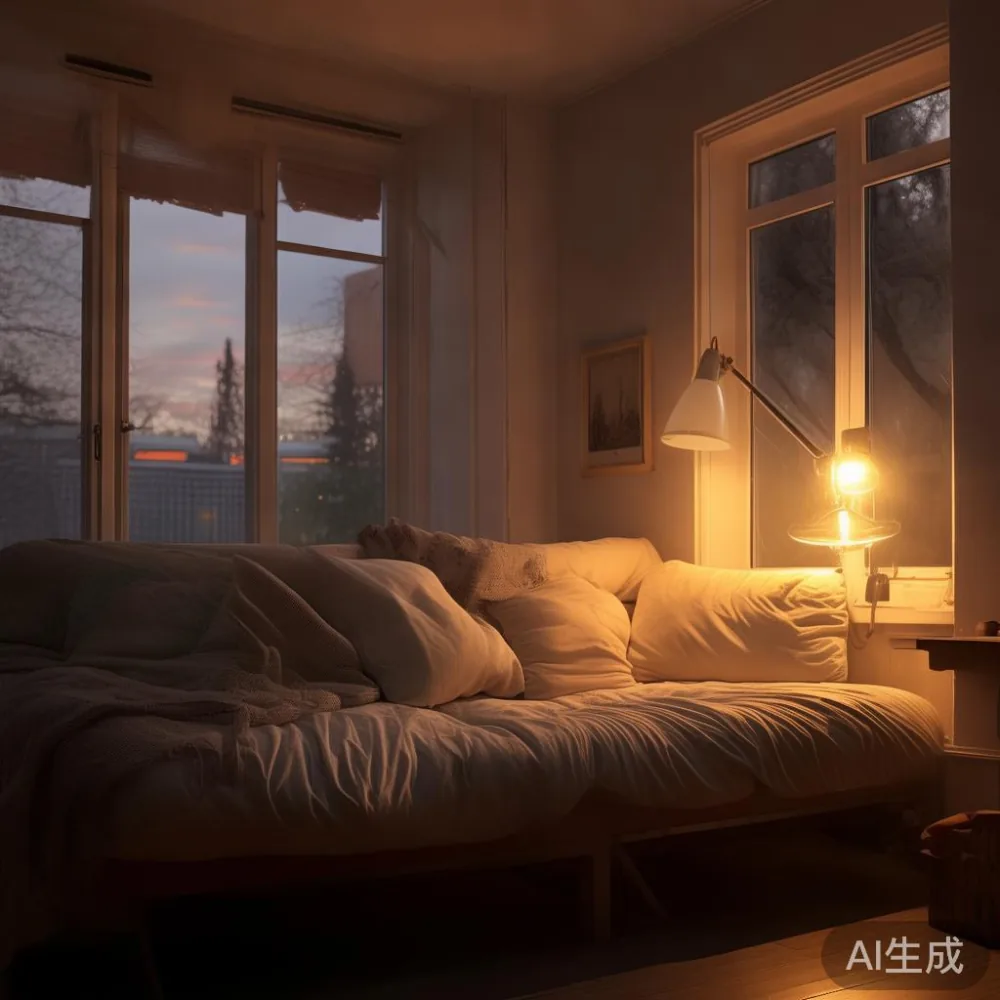
At MIDHILL, we design solid wood furniture for practical homes without flattening them into a generic catalogue. Our 10-year structural warranty, lifetime refinishing service, and free Singapore delivery on orders above US$350—about SGD 460 before GST—reflect a longer-term approach to furniture ownership. Prices below are indicative and exclude Singapore GST, so a buyer can budget the final 9% accurately.
How can I make a small Singapore apartment feel less crowded?
Begin with a floor plan, not a wish list. Measure the room, mark the doors, lift opening, window area, and the route from the entrance to the bedroom. HDB corridors and condo corridors can be narrow, and delivery access should be checked before a large item is ordered. A furniture delivery crew may need to turn a sofa bed inside a corridor narrower than 120 cm, manoeuvre it through a 90 cm doorway, and operate a lift with a 110 cm internal depth.
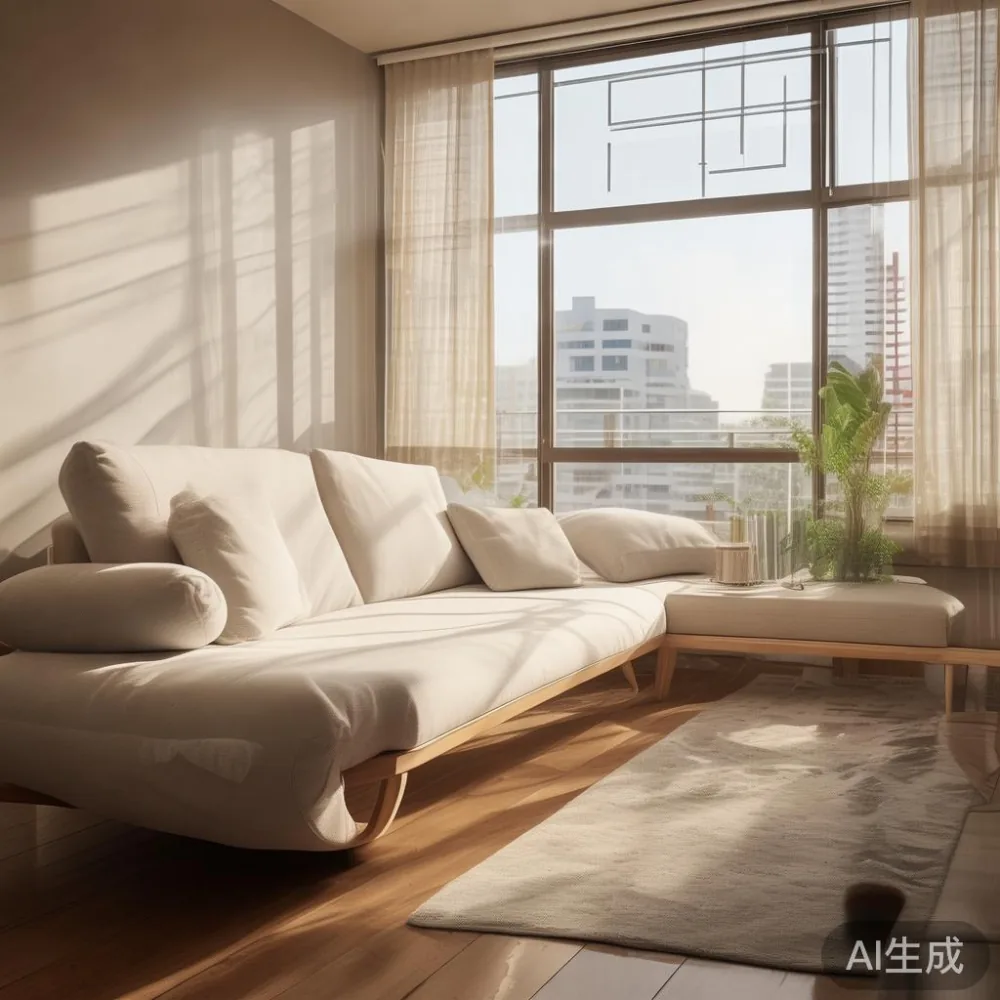
For a typical 3-room HDB living room measuring roughly 420 cm wide by 320 cm deep, keep the main visual axis open for at least 90 cm. Avoid pushing every wall to the same depth. A sofa bed placed against the longest wall can provide daytime seating and overnight sleeping, while leaving about 60 cm in front for circulation. One 45 cm-deep cabinet or 40 cm-deep nightstand is often more practical than several shallow pieces.
Light also changes perception. Pale walls, a large mirror, and curtains that stop just above the floor can make a room appear wider, while one dark object provides grounding. The goal is not emptiness; it is controlled contrast and clear spacing. In a Tampines flat, for example, a 210 cm sofa bed against a 320 cm wall leaves 110 cm on one side for a slim 35 cm console, provided the walkway remains clear.
What size sofa bed should fit my HDB flat or condo?
Choose the sofa bed by its closed and open dimensions. A common apartment-sized model measures 180 cm wide, 85 cm deep, and 80 cm high when closed, then opens to 180 by 200 cm. A couple may find 180 cm adequate for short-term use, but a 200 cm mattress gives more shoulder room. In a Bedok studio, a 160 cm sofa bed can suit one sleeper, while a family should measure the primary users before buying.
Check the folded depth against the wall, then check the pull-out direction against the room. A sofa bed that needs 95 cm of clear space in front should not be placed where a dining chair normally sits. If the unit opens sideways, the wall and adjacent furniture need extra allowance. My colleague visited a Punggol HDB flat last month and tested a 205 cm-wide solid wood sofa bed in the living room. The 200 cm sleep surface felt generous for two people, and the 88 cm closed depth still allowed a 45 cm console, but only because the coffee table had been moved against the opposite wall.
Allow at least 5 cm behind removable back panels for servicing and at least 45 cm above the unit if the conversion requires rear access. Doorways, lift heights, and stair turns matter too. For a condo above the eighth floor, elevator booking and a service-lift limit of 250 kg should be confirmed with the building manager. The delivered sofa bed should normally weigh 70–95 kg, so two-person delivery is sensible.
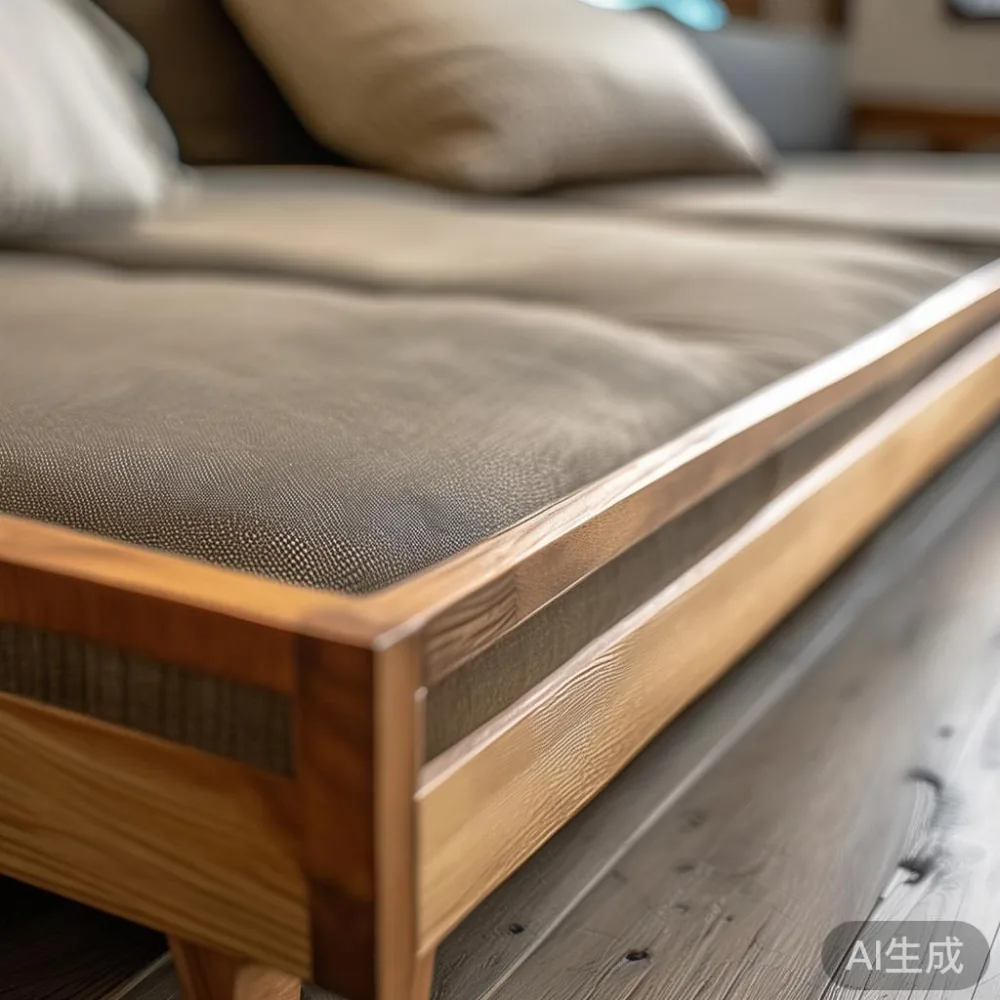
Material also affects the feel of the room. A solid wood sofa bed with visible timber framing gives warmth and structure that a thin metal frame may not. Look for kiln-dried hardwood, joinery that can be tightened, and a mattress whose foam density is stated in kg/m³. A density around 35 kg/m³ often feels more supportive than very soft foam, while 28–32 kg/m³ can suit a lighter sleeper. Fabric should be removable, with care instructions that match real Singapore humidity.
How do I style a sofa bed without making the living room look like a bedroom?
Treat the sofa bed as a living-room anchor during the day. Keep it visually simple with 2–3 cushions, one throw measuring about 130 by 180 cm, and a slim lumbar cushion. Too many small accessories make a compact sofa look shorter and busier. A low tray table in oak or walnut can serve drinks, a laptop, and dinner, while hiding cables in a 25 cm-wide basket beneath it.
For a French light luxury direction, pair pale upholstery with warm timber, rounded edges, brushed brass details, and one decorative lamp. Avoid filling the room with matching “luxury” props. One accent chair can create a deliberate sitting zone if there is room for it: a French provincial accent chair with a compact footprint of about 65 by 70 cm and a seat height near 43 cm works beside a sofa bed, but it should not block the 90 cm path from the entrance.
American light luxury is more relaxed and tonal. Use oatmeal, stone, muted olive, or greige textiles, then add one darker cushion in charcoal. The sofa bed should remain comfortable enough for reading, not just sleeping. A floor lamp placed behind it can free the tabletop, while a 160 cm curtain panel can soften the wall. Post-modern light luxury offers another route through clean geometry, restrained colour, and contrasting materials such as timber, linen, and a small marble table.
A marble table is a strong focal point, so use a narrow 45 by 55 cm top rather than a broad coffee table. Its cool surface balances the warmth of a solid wood sofa. Keep the arrangement low: the tabletop should sit roughly 40–45 cm above the floor, and accessories should occupy no more than one-third of the surface. In a 55 cm-wide sofa bed armrest, one 12 cm vase and a small stack of books may already be enough.
Can one sofa bed really replace extra furniture in a small apartment?
It can replace a separate daybed in many compact layouts, but it should not be asked to replace every other function. A sofa bed handles sitting, occasional guest sleeping, and sometimes storage. It does not replace a dining table properly, and in an open-plan studio, meal preparation needs its own zone. If the dining area contains a dining table measuring at least 90 by 100 cm, preserve a 75 cm route between it and the sofa bed.
The American bed vs Modern bed comparison can be useful when deciding whether a dedicated frame is worth the footprint. An American bed style often suggests a substantial upholstered headboard and visible rails, giving a bedroom a settled appearance. A modern bed usually has a cleaner outline and may suit a tighter room because the frame can be visually lighter. Neither should be bought solely because it looks elegant; measure the mattress, wardrobe doors, and bedside clearance first.
Storage is where space is usually gained. Choose a sofa bed with a compartment suitable for 2–3 folded duvets, but avoid loading it with bulky luggage. A separate 90 cm-high wardrobe provides better hanging space, while a 35 cm-deep nightstand offers a place for a phone and water glass. If closed storage matters, a 120 cm-wide sideboard can hold dining items and small appliances without increasing the open visual load.
A useful rule is to count the furniture functions in a room. A 3-room flat may comfortably accommodate a sofa bed, dining table for 4, 150 cm wardrobe, and 40 cm nightstand if the circulation plan works. In a studio, the dining table may need to be a 100 cm round model with 4 stacked chairs, and the sofa bed may become the guest bed rather than the primary bed. Furniture should support the room’s real programme.
How do I create different zones in an open-plan HDB flat?
Zones can be created with alignment and lighting rather than extra partitions. Place the sofa bed perpendicular to the dining table to divide the room. A rug of 160 by 230 cm can anchor the living area, but it should extend 20–30 cm beyond the front legs of seating where possible. In HDB interiors, a full-height sliding screen can provide privacy without the swing radius of a hinged door, provided the track does not project more than 8 cm into the room.
For kitchens adjoining the living area, a 90 cm-high console can hide bins while creating a visual break. Keep it no deeper than 30 cm so counters remain usable. Repeat one material, such as oak, between the sofa bed frame and dining table to connect the zones. Repeat one colour, such as warm white, in the walls and lampshades to avoid visual fragmentation.
For bedroom zoning, a curtain hung 12–15 cm inside the ceiling can make the sleeping corner feel softer. If the room also contains a daybed or occasional guest bed, the question of how to style Japandi sofa in bedroom becomes practical: use low-profile proportions, light textiles, a plain timber side table, and wall-mounted lighting. Keep floor-level storage to 25 cm deep, and maintain 55–65 cm beside the bed for a nightstand and movement.
Do not overlook condo common-area rules. Certain buildings restrict moving furniture into corridors during peak hours or require protective floor coverings. For a corridor narrower than 100 cm, deliver in protective cartons and avoid leaving packaging outside the unit. For a 120 cm corridor, the sofa bed should arrive with legs removable or separately boxed. A professional delivery team should photograph the route before starting.
What should I check before ordering furniture for a Singapore home?
Measure twice and compare against the delivery route. Record the sofa bed’s packed dimensions, not only its assembled dimensions. For a lift, check the internal door width, cabin depth, and diagonal; for corridors, note any sharp turns, thresholds, and fire doors. Confirm the building’s delivery window and reserve the service lift where needed.
Check product details such as solid wood species, finish layers, joinery, mattress density, removable covers, and hardware warranties. A 10-year structural warranty offers more confidence than a vague promise, while lifetime refinishing can extend the life of a well-made solid wood sofa. Ask for care guidance suited to Singapore’s humidity: wipe wooden surfaces promptly, maintain indoor relative humidity around 45–65% where practical, and rotate cushions monthly.
Budget for GST and installation. A solid wood sofa bed in the SGD 1,850–2,900 range before GST is consistent with a quality frame, usable mattress, and considered finish; exact pricing depends on size and timber. Add SGD 80–180 for delivery and assembly if the supplier does not include it. Wardrobes, dining tables, and nightstands should follow the same measurement and delivery discipline.
Buyers comparing 2026 light luxury furniture can look for restraint, tactile materials, and repairable construction rather than decoration alone. For trade specifications, wholesale Italian light luxury furniture may use familiar language about refined timber and polished details, yet the practical checks remain the same: dimensions, frame construction, hardware, warranty, and after-sales support.
Returns and warranty terms should be read before payment. MIDHILL provides a 14-day return period, subject to the stated conditions, and a 10-year structural warranty. For custom sizing, confirm whether a change is treated as a custom order. During a delivery window of approximately 7–21 days after order confirmation, maintain communication with the supplier and keep the access route clear.
Which storage pieces make the biggest difference in a compact home?
Closed storage usually creates more calm than exposed shelving. A 150 cm-wide wardrobe with a depth of 55–60 cm can hold coats and everyday clothing if the internal hanging sections are planned properly. Use the full internal width with a mix of rods, drawers, and a shelf for folded items. Sliding doors need about 6 cm of operating space in front, while hinged doors need roughly 90 cm.
If choosing between a modern freestanding unit and a fitted solution, a practical guide to how to choose Mid-century modern wardrobe is useful: check the door swing, floor level, ceiling height, and existing skirting before selecting a frame. Tapered legs can create visual lightness, but a fitted plinth can stop dust collecting. A wardrobe with adjustable shelves is generally more adaptable in a flat that may be rented for several years.
Small pieces should work harder. A nightstand measuring 35 by 40 cm with one drawer can hold a charger and a book, while a 90 cm dining table seats 4 if space allows. Use vertical space with a shelf no more than 18 cm deep for books and objects. Keep collections to 3 visible groups rather than many isolated pieces.
The strongest compact plan uses contrast: a light sofa bed, a warm timber dining table, a pale wardrobe, and one darker or patterned focal item. This creates depth without adding footprints. Keep at least 60 cm between major furniture pieces, 90 cm along the main walkway, and 75 cm beside the dining table for chair removal. These are useful targets rather than rigid rules, but they make movement easier for family members and guests.
How can I keep a small apartment timeless instead of overdecorated?
Start with a colour palette of 3 colours and 2 main materials. Warm white, muted green, and light oak would suit many HDB interiors; charcoal and walnut can provide contrast. Choose large-scale patterns rather than a mix of tiny prints. One curtain with a subtle weave is calmer than 4 patterned cushions competing for attention.
Scale matters more than spending. A 25 cm-wide lamp on a 40 cm side table may look small, while a 35 cm shade can fill the visual area without requiring a large base. Let one large artwork or 80 by 100 cm print occupy the wall rather than several small frames. If no wall area is available, a narrow shelf of 15 cm depth can hold one leaning artwork, secured to prevent tipping.
Measure the gaps around furniture. Leave 8–12 cm between a sofa arm and a nearby lamp, 20–25 cm between a cushion and a wall where practical, and 15 cm above a side table for visual space. Group accessories in odd-numbered sets of 3 or 5, but keep remote controls and daily objects within reach. A tray of about 30 by 40 cm can contain the items that otherwise spread across the sofa bed.
Finally, style for the night-time routine. Keep a warm lamp below eye level, a charger within 60 cm of the seat, and a clear path to the bathroom. In the bedroom, allow 60 cm beside the bed and keep the wardrobe door zone empty. These details determine whether furniture feels generous or restrictive after a long day.
A small apartment feels crowded when every object asks for equal attention. A properly sized sofa bed, disciplined circulation, closed storage, and a restrained palette can create a home that works harder without looking fuller. Start with measurements, place the largest piece first, and give each remaining object a clear job. For product sizing, delivery guidance, or a discussion of solid wood construction, contact MIDHILL on +86 188 2788 2512 and plan for Singapore GST at checkout.