Preserving the Luster: A Guide to Caring for Lacquered Surfaces in Singapore's Tropical Climate
Living in Singapore presents a unique set of challenges for homeowners who appreciate fine furniture. The constant high humidity, ambient moisture from daily showers, and the occasional tropical downpour can test the resilience of even the most well-crafted pieces. For those who have invested in a sophisticated sofa bed with a beautiful lacquered finish, understanding how to maintain that shine is paramount. This guide offers practical, step-by-step advice tailored to the specific conditions of Singaporean homes, from HDB flats in Tampines to condominiums in Punggol.
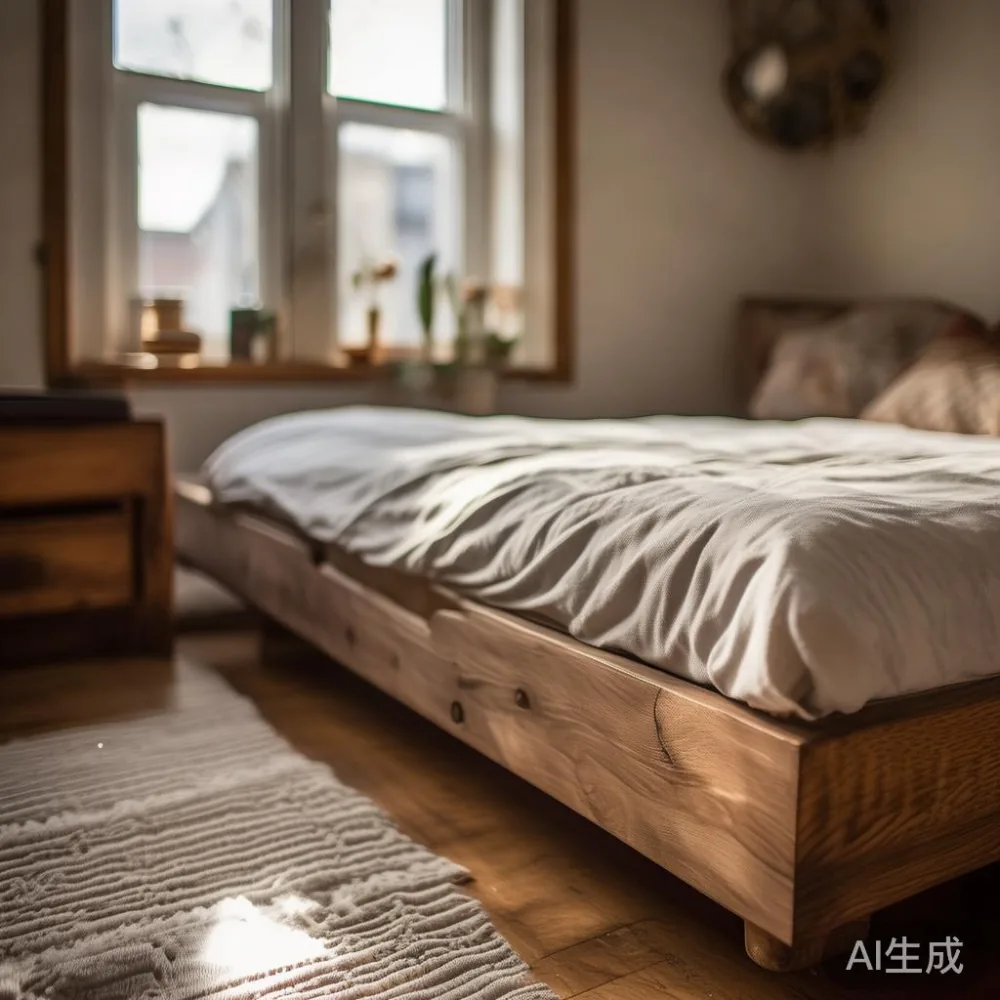
Understanding Lacquer: More Than Just a Pretty Finish
A lacquered surface is not merely a coat of paint; it is a meticulous, multi-layered process that transforms raw wood into a smooth, durable, and often mirror-like finish. The process involves applying numerous thin layers of a clear, high-gloss resin, typically derived from the sap of the lacquer tree. Each layer is sanded and polished to an incredible smoothness before the next is applied, sometimes taking weeks to complete for a single piece of furniture. This meticulous craftsmanship creates a hard, protective barrier that shields the underlying wood from scratches, stains, and moisture.
However, this very barrier is what makes lacquer susceptible to damage from environmental extremes. In a tropical climate like Singapore's, where indoor humidity levels can hover between 70% and 90%, the wood trapped beneath the lacquer can absorb moisture. This can lead to several issues: the wood may expand slightly, causing the lacquer layer to stress, craze (develop fine cracks), or even peel. Conversely, if you run an air conditioner for extended periods, the air becomes very dry, which can cause the wood to contract, potentially leading to new cracks in the finish. The goal of care is to provide a stable environment for your furniture, allowing the lacquer and wood to coexist peacefully.
How Singapore's Climate Affects Your Lacquered Furniture
The climate in Singapore is the single most significant factor influencing the longevity of your lacquered furniture. The combination of heat and humidity is a constant test for any material. Here’s a breakdown of the specific challenges you might face in your home:
Condensation and Moisture Traps: Singapore's high humidity means the air is saturated with water vapor. When this warm, moist air comes into contact with a cooler surface—like the back of a sofa bed placed against an air-conditioned wall, or the underside of a marble table top—it cools down rapidly. This causes the moisture in the air to condense into liquid water, just like a cold drink glass 'sweats' on a humid day. This trapped moisture can seep into the seams and edges of your furniture, potentially causing the wood to swell or the lacquer to blister over time.
Mold and Mildew Growth: The constant dampness creates an ideal breeding ground for mold and mildew. While a high-quality lacquer finish is an excellent barrier, it is not completely impermeable. Tiny imperfections or micro-cracks, invisible to the naked eye, can allow spores to penetrate. This is particularly common in less ventilated areas, such as the back of a sofa against a wall or in a built-in wardrobe in a windowless bedroom. The tell-tale signs are small, fuzzy black or green spots on the surface or a musty smell in the room.
Thermal Expansion and Contraction: Singapore experiences daily temperature fluctuations. The day's heat can warm your furniture, while the cool blast of air conditioning can chill it. Wood, like all organic materials, expands when heated and contracts when cooled. This constant cycle of expansion and contraction puts stress on the rigid lacquer finish. Over months and years, this stress can manifest as 'crazing'—a network of fine, spiderweb-like cracks on the surface—which, while not always structurally damaging, detracts from the furniture's pristine appearance.
What You'll Need: Your Lacquer Care Toolkit
Proper care for your lacquered furniture requires a specific set of tools. Using the wrong products, such as abrasive cleaners or silicone-based polishes, can permanently damage the finish. Here is a simple toolkit to assemble:
Microfiber Cloths: These are non-abrasive and excellent for dusting and polishing. Have at least two: one for dry dusting and one for applying cleaning solutions. A pack of 3-4 costs around SGD 15 to SGD 25 at most home stores.
Soft, Lint-Free Cotton Cloths: For buffing and achieving a high shine, 100% cotton cloths are superior. They are gentle and won't leave scratches. You can find these at specialty cleaning stores or online for approximately SGD 10 for a pack of two.
Mild pH-Neutral Soap: A gentle dish soap like a non-abrasive, clear liquid is perfect. Avoid soaps with degreasers, bleach, or strong perfumes. A large bottle costs about SGD 8 and will last for many months.
Lacquer Polish or Wax:
For restoring shine, use a polish specifically designed for lacquer or high-gloss furniture. Avoid furniture 'spray waxes' that contain silicone, as this can build up and create a cloudy film over time. A quality 250ml bottle of specialized lacquer polish can range from SGD 40 to SGD 70. Some homeowners prefer a high-quality carnauba wax, which provides a warm, deep shine. A 225g tin costs about SGD 60. Furniture Touch-Up Markers or Polish: For minor scratches, a furniture touch-up marker in a matching wood tone can be a quick fix. These are available at hardware stores for around SGD 12 to SGD 20 each. Maintaining the beauty of your lacquered furniture is about consistent, gentle care. A simple routine can prevent most problems before they start. Daily Dusting: Use a clean, dry microfiber cloth to wipe down the surfaces of your sofa bed, dining table, or any other lacquered piece. This removes dust, which can act like a fine abrasive and dull the finish over time. Pay attention to areas where dust settles, such as the tops of chair rails, the arms of a sofa, and the crevices of a bed frame. A 5-minute daily dusting can make a significant difference in preserving the shine. Weekly Wiping: Once a week, perform a more thorough cleaning. Mix a few drops of your mild pH-neutral soap with a litre of lukewarm water. Dampen a separate microfiber cloth in the solution, then wring it out thoroughly until it is almost dry. Wipe the furniture surfaces in a gentle, circular motion. Immediately follow with a clean, dry microfiber cloth to remove any moisture and prevent water spots. This process removes fingerprints, smudges, and any light grime that has accumulated during the week. Buffing for Shine: After cleaning, while the surface is still completely dry, take a soft cotton cloth. Using a gentle, circular motion, buff the surface to bring out the natural gloss of the lacquer. This simple step removes any minor streaks and enhances the reflective quality of the finish, making it look as good as new. This is a very common question, and the answer is a firm no. While vinegar is a popular natural cleaner for many household surfaces, it is highly acidic and can etch or dull the surface of a lacquer finish. The same applies to other acidic substances like lemon juice or ammonia-based window cleaners. These products will strip away the protective layers of the lacquer, leaving a dull, cloudy, and potentially damaged surface. Stick to the mild soap and water solution recommended above. It is gentle, effective, and safe for the delicate chemistry of a high-quality lacquer. The investment in a proper cleaning product is small compared to the cost of refinishing a damaged sofa bed or dining table. While Singapore's climate is generally humid, there are discernible wetter and drier periods that warrant slight adjustments to your furniture care routine. Northeast Monsoon (Wet Season, approx. November - March): During this period, expect heavier rainfall and higher humidity. It's a good idea to increase your dusting frequency to every other day, as damp air can make dust stick more readily. Be extra vigilant about wiping down condensation. If you have a sofa bed, ensure it is pulled away from external walls by at least 10-15 cm to allow air to circulate and prevent moisture from seeping in. Check the back and underside of your furniture more often for any signs of mold. Southwest Monsoon (Dry Season, approx. June - September): This season can bring hazy, drier air, especially if the air conditioning is running constantly. The lower humidity can cause the wood in your furniture to contract. This is when you might be more likely to notice fine cracks appearing in the lacquer. To combat this, consider using a humidifier in the room where the furniture is located, especially during the night. A small tabletop humidifier costs around SGD 80 to SGD 150 and can maintain a healthier humidity level of around 50-60%, which is ideal for wood furniture. This simple step helps prevent the wood from drying out and shrinking, thus protecting the integrity of the lacquer finish. Accidents happen, but how you respond can determine whether your furniture is permanently damaged. The golden rule for any spill on a lacquered surface is to act immediately. For liquid spills like water, coffee, or wine, grab a clean, dry cloth and blot the area gently. Do not rub, as rubbing can spread the stain and push the liquid into the seams or micro-cracks of the lacquer. For sticky substances like juice or syrup, first, gently scrape off any excess with a plastic card held at a 45-degree angle, being careful not to scratch the surface. Then, dampen a cloth with your mild soap solution, blot the area, and immediately dry with a clean cloth. For stubborn stains that have already dried, it's best to consult a professional furniture refinisher. Attempting to scrub or use a harsh chemical can irreparably damage the finish. A professional will have the right solvents and techniques to remove the stain without harming the lacquer. The cost for a spot repair service can vary, but you should budget around SGD 150 to SGD 300 depending on the severity of the stain and the size of the affected area. The best care for your furniture is preventative. Where you place your pieces in your Singapore home can have a huge impact on their longevity. When arranging your sofa bed or dining table, avoid placing them directly in front of or under an air conditioning vent. The constant, direct blast of cold, dry air is extremely harsh on wood and lacquer. Also, be mindful of placement in HDB flats and condos. Consider the width of your lift and corridor. A standard HDB lift is about 110 cm wide, and a corridor is typically 120 cm wide. When moving a large piece of furniture like a sofa bed (which can be 180-220 cm long), measure your available space to ensure it can be maneuvered without being bumped or scraped against walls. Use coasters under glasses and mugs, always. A coaster prevents condensation from a cold drink from forming a water ring on the lacquer. Use placemats for hot dishes, as the extreme heat from a serving plate can damage the finish. Avoid placing potted plants directly on the furniture, as water can seep through the pot and stain the wood. Instead, use a decorative ceramic or stone saucer underneath the pot to catch any excess water. My colleague, who recently moved into a new condo in Bedok, learned this the hard way. He placed a beautiful marble table top directly on his solid wood dining table without a protective barrier. A few months later, the moisture trapped between the two surfaces caused a permanent, cloudy ring to form on the wood's lacquer finish. It was a costly lesson that taught us all the importance of using proper barriers between different materials. Despite your best efforts, you may encounter issues that require professional attention. A reputable furniture maker like MIDHILL offers services that can restore your piece to its original glory. If you notice deep scratches, significant crazing, or peeling lacquer, it's time to call an expert. Professional repair involves a multi-step process: the damaged area is carefully sanded down to the bare wood, any imperfections are filled with a matching wood filler, and then the entire piece is re-lacquered to match the original finish. This is a skilled craft that requires an eye for detail and an understanding of different wood types and lacquer formulations. The cost for a full refinishing of a sofa bed can be substantial, often ranging from SGD 800 to over SGD 2,000, depending on the size and complexity of the piece. However, this is a fraction of the cost of replacing a high-quality, solid wood sofa bed. Many furniture makers also offer a 'lifetime refinishing' service, which is a proof of their confidence in the quality of their work. This means that if the lacquer finish ever fails due to normal wear and tear, they will refinish it for you, often for just the cost of materials. This kind of warranty provides long-term peace of mind and is a key indicator of a well-made piece of furniture. For example, the concept of finding the best light luxury bed for 2026 often hinges not just on initial aesthetics, but on the longevity and after-sales support offered by the brand. Caring for your furniture doesn't mean sacrificing style. In fact, proper maintenance ensures that your light luxury aesthetic continues to shine for years. The clean lines and reflective surfaces of French light luxury furniture, for instance, rely on a flawless lacquer finish to achieve their signature elegance. A smudged or dulled finish can detract from the entire room's sophisticated ambiance. When considering a new sofa bed for your Singapore home, think about its design in relation to your climate. A piece with a solid wood frame and a high-quality lacquered finish is an excellent choice. It combines durability with a timeless look. The trend towards Modern light luxury for office settings also applies to the home, where clean, uncluttered spaces with high-gloss accents create a calm and sophisticated environment. This style is perfectly suited to Singapore's modern condos, where maximizing space and light is a priority. Ultimately, the choice between an American bed vs Modern bed or a Japanese bed vs Modern bed often comes down to personal preference, but the care principles remain the same. Whether you're furnishing a dining room with a statement American for dining room table or a bedroom with a minimalist platform bed, protecting your investment with proper care ensures that it remains a beautiful part of your home for a lifetime. Remember, a well-maintained piece of furniture is more than just an object; it's a reflection of your personal style and a durable component of your living space.Step-by-Step Daily and Weekly Cleaning Routine
Can I Use Vinegar or Other Homemade Cleaners on My Lacquered Surface?
Seasonal Adjustments for Singapore's Wet and Dry Seasons
Handling Spills and Stains Immediately
Long-Term Protection: Placement and Prevention
When to Call a Professional: Repair and Refinishing
Integrating Light Luxury Style with Practical Care