Preserving the Shine: Lacquered Sofa Bed Care in Singapore's Humidity
Living in Singapore, with its year-round average temperature of 28°C and humidity levels that often hover around 85%, presents a unique challenge for homeowners with fine furniture. The constant moisture in the air, seeping through HDB corridors and condo living rooms, can wreak havoc on surfaces not designed for such conditions. This is especially true for a piece as sophisticated as a lacquered sofa bed, which combines the functionality of a sleeping space with the delicate beauty of a high-gloss finish. The gleam of a perfect lacquer finish, reminiscent of French light luxury, is a statement of elegance, but maintaining that shine requires a specific, informed approach. As a specialist who has seen the effects of humidity on everything from a solid wood sofa to a marble table over the past 15 years, I can tell you that prevention and consistent, gentle care are the keys to longevity.
Understanding Your Lacquered Finish
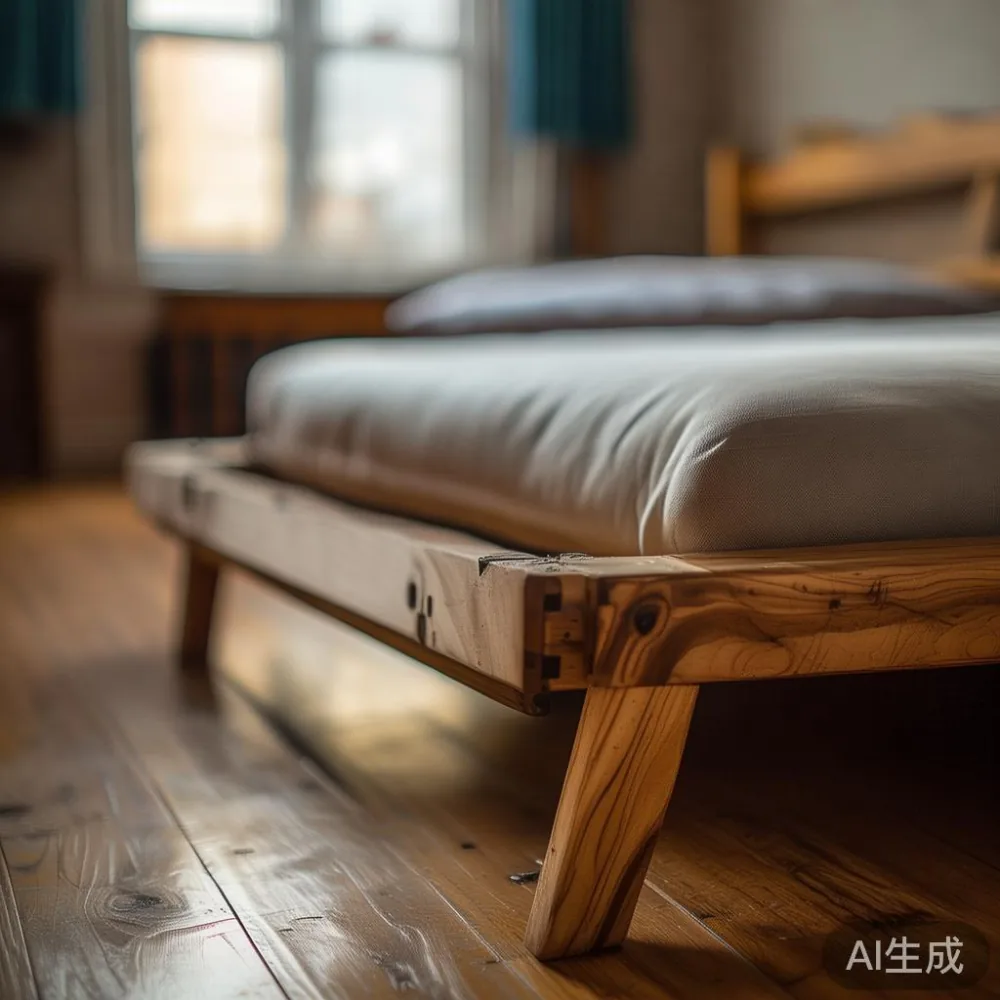
Before we discuss care, it's important to understand what you're working with. A lacquered surface is not simply a coat of varnish. It involves applying multiple thin layers of a clear, hard resin, often derived from the sap of the lacquer tree, onto the wood. This process, which can take weeks to cure properly, creates a deep, glass-like sheen that is both durable and sensitive. The finish is designed to be a protective barrier for the wood beneath it. In a tropical climate like Singapore's, this barrier is constantly under siege. The high humidity can cause the wood to expand and contract subtly over time. If the lacquer layer is stressed by these movements, it can lead to tiny cracks, known as 'checking', or a hazy, milky appearance known as 'blooming'. This is why choosing a sofa bed from a maker with a 10-year structural warranty, like MIDHILL, provides a layer of confidence; the piece is built to withstand these environmental stresses from the ground up.
Why Your Singapore Home is a Unique Environment for Furniture
Singapore's climate is the primary factor you must contend with. The air is thick with moisture, and while this is wonderful for our skin and gardens, it's less ideal for wood furniture. Consider the typical HDB flat in Tampines or a condo in Punggol. Air conditioning provides a respite, but it creates its own set of problems. The constant cycling between hot, humid outdoor air and cool, dry indoor air causes significant condensation. This moisture can form on the surface of your lacquered sofa bed, especially if it's near an air-conditioning vent or a window. The result is a surface that never truly dries, encouraging the growth of mould and mildew and potentially damaging the finish over months and years. Also, Singapore's 9% GST applies to all furniture purchases, making it a wise investment to protect what you buy. A SGD 2,500 solid wood sofa bed is a significant purchase, and proper care ensures it retains its value and appearance for a decade or more.
What to Avoid: The Enemies of a Lacquer Finish
Maintaining a lacquered surface is as much about what you don't do as what you do. Certain common household practices and products can cause irreversible damage. The first and most important rule is to never use abrasive cleaners. Steel wool, harsh scouring pads, or even rough microfiber cloths can scratch the surface, dulling the shine and creating pathways for moisture to penetrate the wood. Avoid all-purpose household sprays that contain silicones or waxes. These products may provide a temporary shine, but they build up over time, creating a cloudy film that is difficult to remove and can interfere with the lacquer's ability to breathe. Water is another enemy. While wiping up a spill immediately is necessary, never let water sit on the surface. For a lacquered finish, even a small amount of water left for more than 15-20 minutes can cause white spots or damage the coating. When cleaning, always use a barely damp cloth, not a wet one, and immediately follow with a dry, soft cloth to remove all moisture.
How to Choose European Bed and Other Furniture for Humid Climates
While this article focuses on your existing sofa bed, thinking about future purchases is equally important. When you consider how to choose European bed for your master bedroom, or a new dining table for your condo, always factor in the climate. Look for furniture made from stable hardwoods like teak, oak, or walnut, which are less prone to warping. A French bed vs French provincial bed might look similar, but the construction quality and the type of finish applied can make a world of difference in longevity. For smaller spaces, the concept of Minimalist for small living room is not just about style; it's about practicality. Fewer pieces mean less surface area to maintain and less clutter that can trap moisture. When selecting a nightstand, an Italian light luxury nightstand might appeal for its design, but ensure its finish is suited for high humidity. The same logic applies when you're looking for the best Nordic sofa for 2026; its clean lines are beautiful, but its material composition must be solid enough for a Singaporean home.
The Daily and Weekly Care Routine
A consistent, gentle routine is the cornerstone of preserving your lacquered sofa bed. Daily, use a soft, dry, lint-free microfiber cloth to gently dust the surface. This simple step prevents dust particles from scratching the finish when you move or sit on the sofa. For weekly cleaning, you need a more targeted approach. Prepare a cleaning solution by mixing one part distilled white vinegar with four parts distilled water. Distilled water is important because it lacks the minerals found in tap water, which can leave behind a filmy residue. Dip a clean, soft cloth into the solution, wring it out until it is only slightly damp, and then wipe the surface of the sofa bed in long, smooth strokes. Immediately after, use a second dry, soft cloth to buff the surface until it shines. This process removes any built-up grime without introducing harsh chemicals. Remember, the goal is to clean, not to strip.
Dealing with Common Problems: Haze, Spots, and Minor Scratches
Despite your best efforts, you might encounter issues. A hazy or cloudy appearance, often called blooming, is a common problem in humid climates. It's caused by moisture getting trapped beneath the lacquer finish. To fix this, you will need a specialized lacquer polish or a high-quality car polish (one designed for clear coats). Apply a small amount to a soft cloth and buff the affected area gently in a circular motion. This can often restore the shine by smoothing out the microscopic imperfections causing the haze. For small white spots or water rings, the solution is less straightforward. Sometimes, gently rubbing with a cloth dampened with a little denatured alcohol can help, but you must test this on an inconspicuous area first, like the underside of the sofa bed frame, as it can affect the finish. For minor scratches, a touch-up pen designed for lacquer or wood can help, but it's often best to consult a professional furniture refinisher to ensure a smooth repair.
Seasonal Adjustments and Long-Term Protection
Your furniture care routine should adapt with the seasons. During the Northeast Monsoon season, from November to January, humidity levels can spike even higher. This is the time to be most vigilant. Increase the frequency of your dusting to twice a day if necessary. Ensure your home is well-ventilated by opening windows on less humid days, and consider using a dehumidifier in the room where the sofa bed is located, especially if it's a smaller space like a bedroom. Placing silica gel packs inside the sofa bed storage compartment can help absorb any moisture that gets trapped inside. For long-term protection, consider applying a high-quality furniture wax or polish specifically designed for lacquered surfaces. Apply it once every 3-4 months, following the product's instructions. This creates an additional protective layer that helps repel moisture and dust. When I tested a new wax on a colleague's 5-year-old lacquered dining table last month, we were both surprised by the depth of shine it restored, making the piece look almost new again.
What to Do When You Need to Move Your Sofa Bed
Whether you're moving from a Bedok HDB to a new Punggol condo or simply rearranging your living room, moving a heavy sofa bed requires care to protect both the finish and the structure. Singapore's standard HDB lift width is approximately 110 cm by 110 cm, and corridor widths are typically around 120 cm. Measure your sofa bed to ensure it will fit. A typical queen-size sofa bed is about 180 cm wide by 90 cm deep by 80 cm high, so it should pass through most standard doorways and lifts. When moving, never drag the sofa bed. Use furniture sliders or lay down thick blankets on the floor to slide it gently. Protect the lacquered surface by wrapping it in thick moving blankets or bubble wrap, ensuring the glossy finish does not come into contact with other hard surfaces during transit. If you're using a moving service, clearly communicate the value and fragility of the piece. A reputable service will take the necessary precautions to prevent dings and scratches that could compromise the lacquer.
Is Professional Refinishing a Viable Option for an Older Lacquered Sofa Bed?
After many years of use, even the best-cared-for lacquered finish may show signs of wear. The good news is that a quality lacquered surface can often be restored. Professional refinishing involves completely stripping the old finish and applying new layers of lacquer. This is a complex process that should be left to experts. The cost for a professional refinishing service in Singapore can range from SGD 800 to over SGD 2,500, depending on the size of the sofa bed and the extent of the work. While this is a significant investment, it can be a cost-effective alternative to replacing a high-quality piece of furniture. Many manufacturers, including those with a lifetime refinishing promise, offer this service. For a MIDHILL bed or sofa bed, this commitment to restoration means your piece can be returned to its original glory, ensuring it remains a centrepiece in your home for decades. It's a proof of the enduring value of solid craftsmanship.
Integrating Your Lacquered Sofa Bed into Your Home's Aesthetic
Caring for your furniture is one part of the equation; integrating it beautifully into your space is the other. A lacquered sofa bed, with its sleek, reflective surface, can be a stunning focal point. In a post-modern light luxury setting, it can be paired with other statement pieces, like a marble table with dramatic veining, to create a space that feels both opulent and contemporary. The key is balance. If your sofa bed has a high-gloss black finish, for example, you might balance it with soft, textured cushions in grey or cream, and a solid wood coffee table in a lighter tone like oak. This mix of glossy and matte, hard and soft, creates visual interest. When you're considering how to choose Japandi sofa for a different room, you're thinking about a different kind of balance—minimalism and warmth. The principles are the same: use your furniture as a foundation and build a harmonious room around it, always keeping in mind the specific care needs of each material to ensure your entire home looks its best for years to come.