Maintaining Lacquered Surfaces in Singapore's Humid Environment
Living in Singapore presents unique challenges for homeowners with lacquered furniture. The constant humidity, temperature fluctuations, and occasional rain can affect the appearance and longevity of beautiful finishes. For those who appreciate light luxury furniture, whether French provincial, American contemporary, or post-modern designs, proper care becomes important. In Singapore's HDB flats and condominiums across Tampines, Bedok, and Punggol, where living spaces often measure between 75 to 150 square meters, maintaining furniture condition adds value to your home environment.
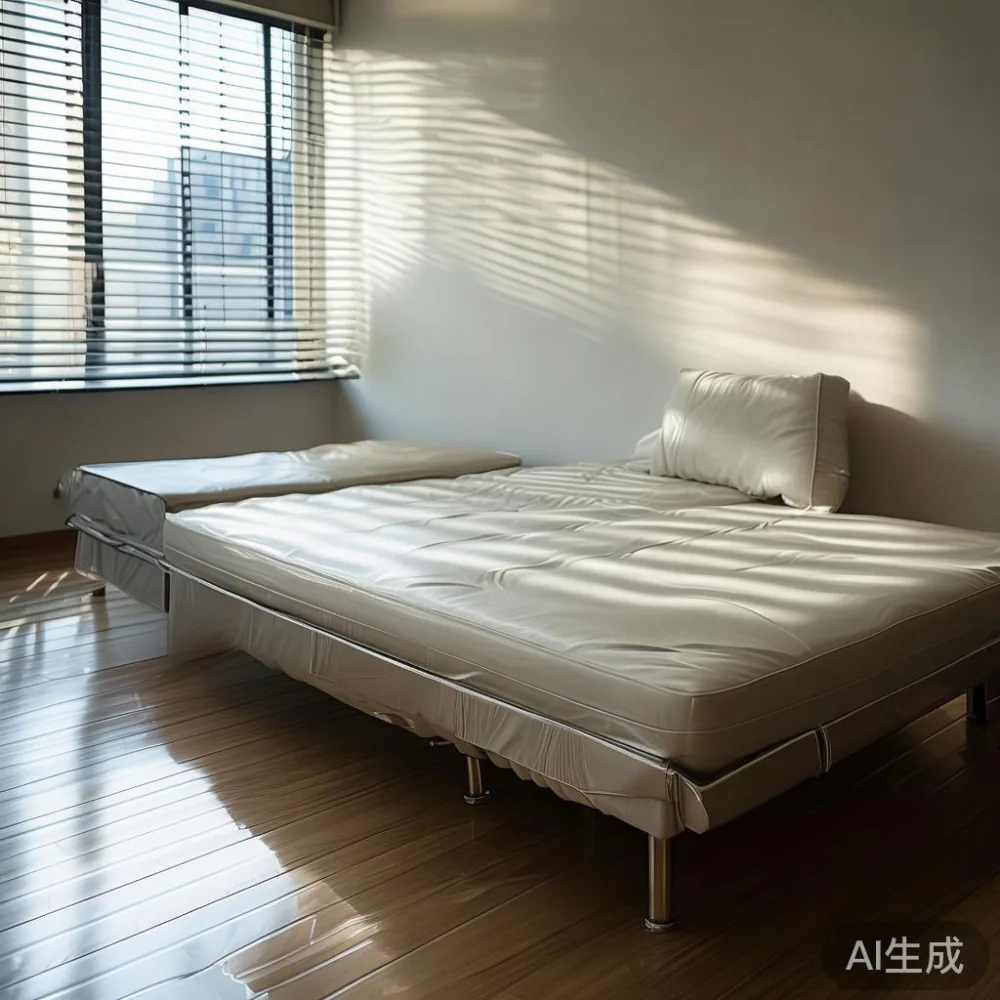
Why Lacquered Furniture Requires Special Care in Tropical Climates?
Lacquered surfaces, commonly found on solid wood sofa beds, dining tables, and bed frames, consist of multiple layers of clear coating applied over wood. In Singapore's average humidity of 80-85%, these finishes face constant stress. The moisture in the air can penetrate microscopic imperfections, causing cloudiness or hazing. Temperature variations between day and night, often ranging from 26°C to 32°C, create expansion and contraction cycles that may lead to cracking if the furniture isn't properly acclimated.
During my visit to a client's apartment in Bedok last month, I observed a beautiful French light luxury sofa bed that had developed white spots on its arms. The homeowner had placed it near an air conditioning vent, causing rapid temperature changes that condensed moisture between the lacquer layers. This experience highlighted how even premium furniture requires specific environmental considerations in our climate.
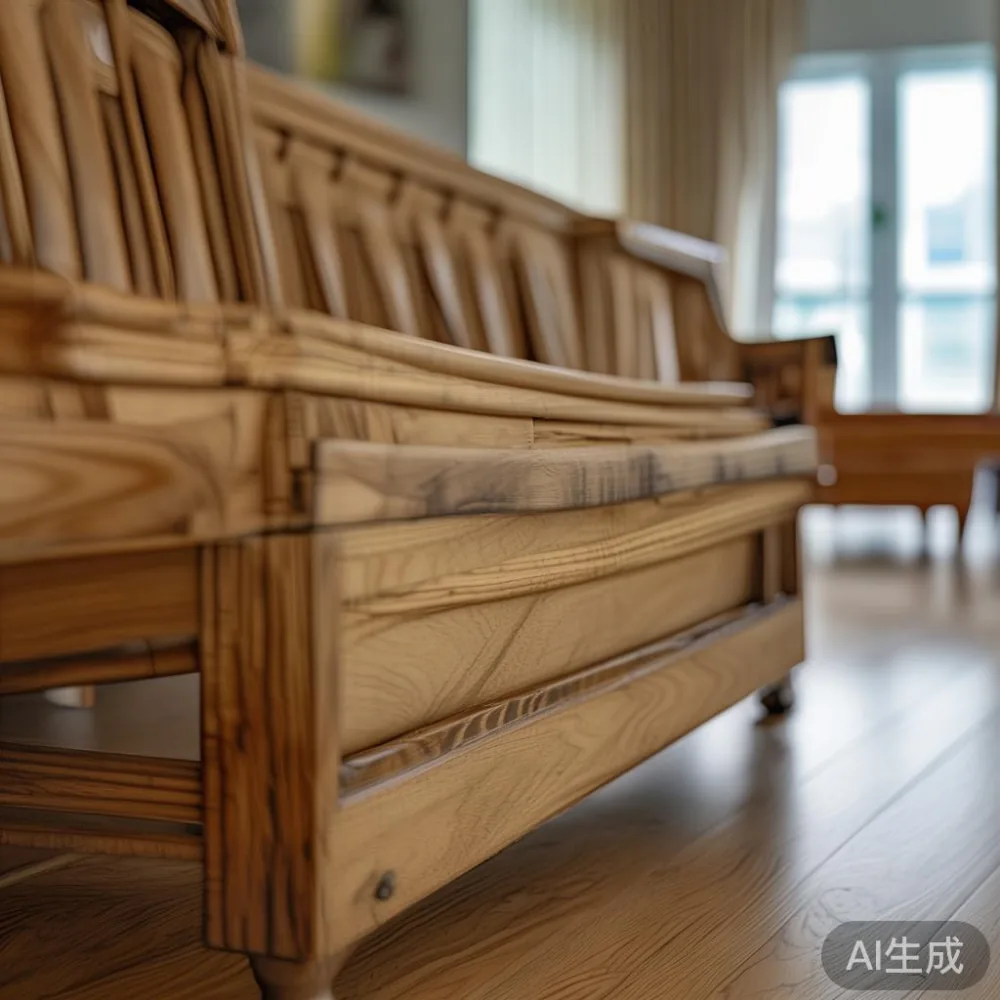
How Does Singapore's Climate Specifically Impact Lacquered Surfaces?
Singapore's tropical climate presents three primary challenges for lacquered furniture:
First, the persistent humidity creates a constant threat of moisture penetration. In HDB corridors and lift lobbies where furniture might temporarily reside during moves, the 70-80% humidity can quickly affect unprotected surfaces. For a light brown luxury sofa, this might result in a dull appearance within weeks if not properly maintained.
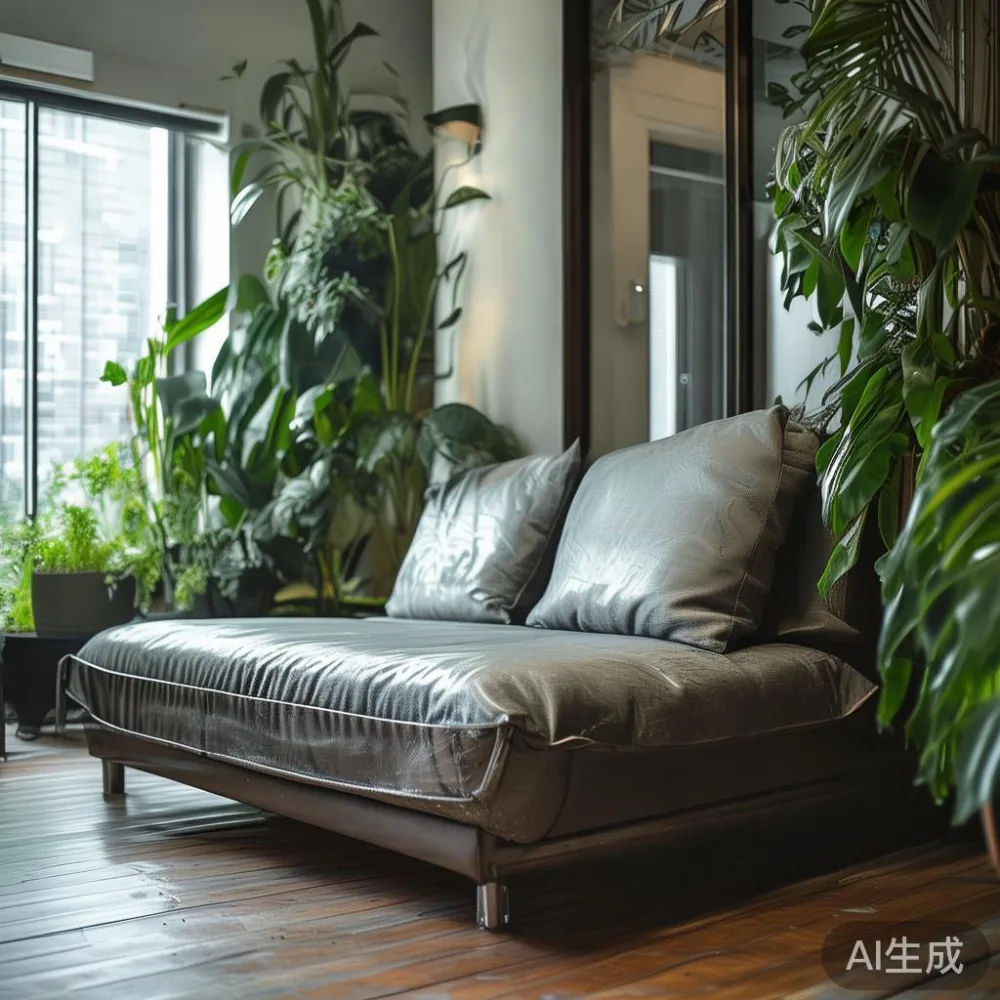
Second, the salt content in coastal areas like Tampines and Punggol can subtly affect lacquer finishes over time. When sea spray enters through windows or doors, the microscopic salt crystals can create tiny imperfections that accumulate. This is particularly concerning for homeowners with balcony furniture or those living within 2 kilometers of the coast.
Third, Singapore's frequent thunderstorms bring sudden humidity spikes. When a downpour occurs, indoor humidity can jump from 70% to 90% within minutes. This rapid change is especially challenging for large pieces like European bed frames or wardrobe doors that expand and contract at different rates.
What Daily Care Routine Should You Follow for Lacquered Furniture?
Establishing a consistent care routine extends the life of your lacquered furniture significantly. For a solid wood sofa bed or dining table, daily attention should focus on preventing dust accumulation and controlling moisture levels.
Begin with a soft, lint-free cloth made of 100% cotton. Microfiber cloths measuring 40cm by 40cm work well for most surfaces. Wipe down furniture every 2-3 days using gentle, circular motions. For stubborn dust, slightly dampen the cloth with distilled water—never tap water, which contains minerals that can leave deposits. The cost of distilled water in Singapore is approximately SGD 2.50 for a 5-liter bottle, lasting about 2-3 months for regular furniture maintenance.
Position furniture away from direct sunlight and air conditioning vents. In Singapore apartments, the ideal placement is 1.5-2 meters from windows and at least 1 meter from AC units. This prevents rapid temperature changes that stress the lacquer. For those who wonder how to style French provincial sofa in apartment layouts, placing it perpendicular to windows with sheer curtains provides both aesthetic appeal and protection.
Invest in a dehumidifier for particularly humid days. Small units suitable for 80-100 square meter rooms cost between SGD 300-500 and can reduce humidity to 50-60%. Run it for 4-6 hours daily during the wettest months (November to January) when relative humidity often exceeds 85%.
How Should You Handle Seasonal Changes in Singapore?
Singapore experiences two main seasons that affect furniture care: the Northeast Monsoon (December to March) and the Southwest Monsoon (June to September). During these periods, humidity levels fluctuate more dramatically, requiring adjusted care routines.
During the Northeast Monsoon, when northeast winds bring heavier rainfall, increase your dusting frequency to every other day. Use silica gel packets placed discreetly in drawers and cabinets to absorb excess moisture. These packets, costing approximately SGD 15 for a pack of 20, should be replaced every 3-4 weeks or when they become saturated and turn completely pink.
The Southwest Monsoon, characterized by calmer conditions but higher temperatures, presents different challenges. The drier air can cause lacquer to become more brittle. Apply a specialized furniture wax every 6-8 weeks during this period. Choose a product designed for lacquered surfaces, applying it with a soft cloth in thin, even layers. Allow it to cure for 24 hours before buffing with a clean cloth. A 200g tin costs around SGD 60 and lasts approximately 6 months with regular application.
For those considering Japanese sofa vs Japandi sofa options in Singapore's climate, the maintenance requirements differ significantly. Japanese-style sofas with natural lacquer finishes require more frequent conditioning than Japandi pieces with matte finishes, which are more forgiving in high humidity.
Can You Protect Your Lacquered Furniture During Relocation?
When moving between Singapore's HDB flats or condominiums, proper protection becomes critical. The narrow corridors and lifts in older buildings, particularly in areas like Tampines where some blocks have corridors only 120cm wide, require careful handling.
Begin by disassembling larger pieces like sofa beds or European bed frames. Keep all hardware in labeled bags to prevent loss. Wrap each component individually with bubble wrap, using at least three layers for vulnerable areas. For a standard 180cm sofa bed, this requires approximately 15 square meters of bubble wrap costing around SGD 40.
Use moving blankets specifically designed for furniture protection. These thick, padded blankets measure approximately 180cm by 240cm and cost SGD 15-20 each. You'll need 3-4 blankets for a typical sofa bed. Secure blankets with packing tape, but avoid applying tape directly to lacquered surfaces as the adhesive can damage the finish.
For transportation, choose a climate-controlled vehicle if possible. Standard moving vans in Singapore can reach temperatures of 35-40°C during transport, which can stress lacquer finishes. The additional cost for climate-controlled transport is approximately SGD 100-150, but it's worthwhile for valuable pieces.
What Should You Do When Lacquered Surfaces Show Signs of Damage?
Even with proper care, lacquered furniture may develop issues in Singapore's climate. Common problems include cloudiness, white spots, fine cracks, or discoloration. Addressing these promptly prevents further damage.
For minor cloudiness or hazing, begin with the least invasive solution. Apply a small amount of specialized furniture polish to a soft cloth and buff the affected area in circular motions. If this doesn't resolve the issue, the lacquer may have absorbed moisture and requires professional attention. In Singapore, professional furniture restoration services charge approximately SGD 150-300 per hour, with minimum 2-hour bookings.
White spots, often caused by moisture trapped beneath the lacquer, require more intensive treatment. These can sometimes be removed by applying a small amount of denatured alcohol to a cotton swab and gently rubbing the affected area. Test this method on an inconspicuous spot first, as alcohol can damage some lacquer formulations. If the spots persist, professional refinishing may be necessary, costing between SGD 800-1500 for a standard sofa bed.
Fine cracks, often appearing during temperature transitions, can sometimes be filled with specialized lacquer touch-up pens. These cost approximately SGD 30-50 and come in various finishes. Apply the product sparingly with a fine brush, allowing each layer to dry completely before applying the next. For deeper cracks, professional repair is recommended to maintain the integrity of the finish.
How Can You Choose the Right Lacquered Furniture for Singapore's Climate?
When selecting new furniture for your Singapore home, consider the specific finish and construction methods that perform best in our climate. For those interested in wholesale European light luxury furniture, understanding the differences in lacquer types becomes important.
Look for furniture with catalyzed lacquer finishes rather than traditional nitrocellulose lacquer. Catalyzed finishes cure through a chemical reaction rather than simple evaporation, making them more resistant to humidity changes. These finishes typically cost 15-20% more but offer significantly better longevity in tropical conditions.
Consider the thickness of the lacquer layers. Quality pieces should have at least 5-7 layers of lacquer, each sanded between applications. This creates a more durable finish that better withstands environmental stress. For comparison, budget furniture often has only 2-3 layers of lacquer, making it more susceptible to damage.
The wood substrate also matters. Teak, mahogany, and walnut naturally resist warping better than softer woods like pine or rubberwood. When comparing European bed vs Mid-century modern bed options, consider that mid-century pieces often use softer woods that may require more careful maintenance in Singapore's climate.
For those researching top 10 French furniture options, pay attention to the finishing process. French provincial pieces typically feature hand-applied lacquer with multiple polishing steps, creating a deep, reflective finish. While beautiful, these finishes require more frequent maintenance in humid conditions. Consider placing such pieces in air-conditioned rooms rather than open-plan living areas exposed to humidity.
What Long-Term Maintenance Practices Extend Furniture Life?
Regular professional maintenance significantly extends the life of lacquered furniture in Singapore's climate. For valuable pieces like a light brown luxury sofa or marble table with lacquered base, schedule professional servicing every 2-3 years.
Professional furniture technicians can perform deep cleaning, minor repairs, and reconditioning that homeowners cannot safely accomplish. These services typically cost SGD 500-800 for a standard sofa bed and include inspection of the entire piece, repair of any minor damage, and application of specialized protective treatments.
Consider the furniture's placement within your home. Rooms with consistent temperature and humidity conditions experience less stress on finishes. In Singapore apartments, bedrooms with air conditioning maintained at 24-26°C and 50-60% humidity provide ideal conditions for lacquered furniture. Living rooms experience more variation due to frequent door openings and window usage.
For those who visit midhill.co regularly, you'll notice their comprehensive care guides for various furniture types. Their solid wood pieces, including sofa beds and dining tables, come with specific maintenance instructions tailored for tropical climates. This attention to detail reflects their understanding of local conditions and commitment to product longevity.
Finally, document your furniture's condition with photographs when purchased. This provides a reference point for assessing changes over time. Include close-ups of the finish texture and color. Singapore's GST applies to furniture purchases, so maintain your receipts as proof of value for insurance purposes. Proper documentation can be invaluable when discussing restoration options with professionals years later.