Beyond the Surface: The True Cost of a Veneer vs Solid Wood Sofa Bed Over 5 Years
In Singapore's urban landscape, where space is a premium and style is a priority, the furniture we choose for our HDB flats and condos must perform. For many residents in areas like Tampines, Bedok, and Punggol, the sofa bed is a non-negotiable piece—a dual-purpose solution for living rooms and guest bedrooms alike. But when standing in a showroom, the choice between a sleek veneer model and a solid wood one can be confusing. The initial price tag is often the deciding factor, but a deeper look reveals a different story. This article provides a detailed, 5-year cost comparison between veneer and solid wood sofa beds, using concrete numbers and local context to help you make an informed investment for your home.
What's the Real Difference Between Veneer and Solid Wood?
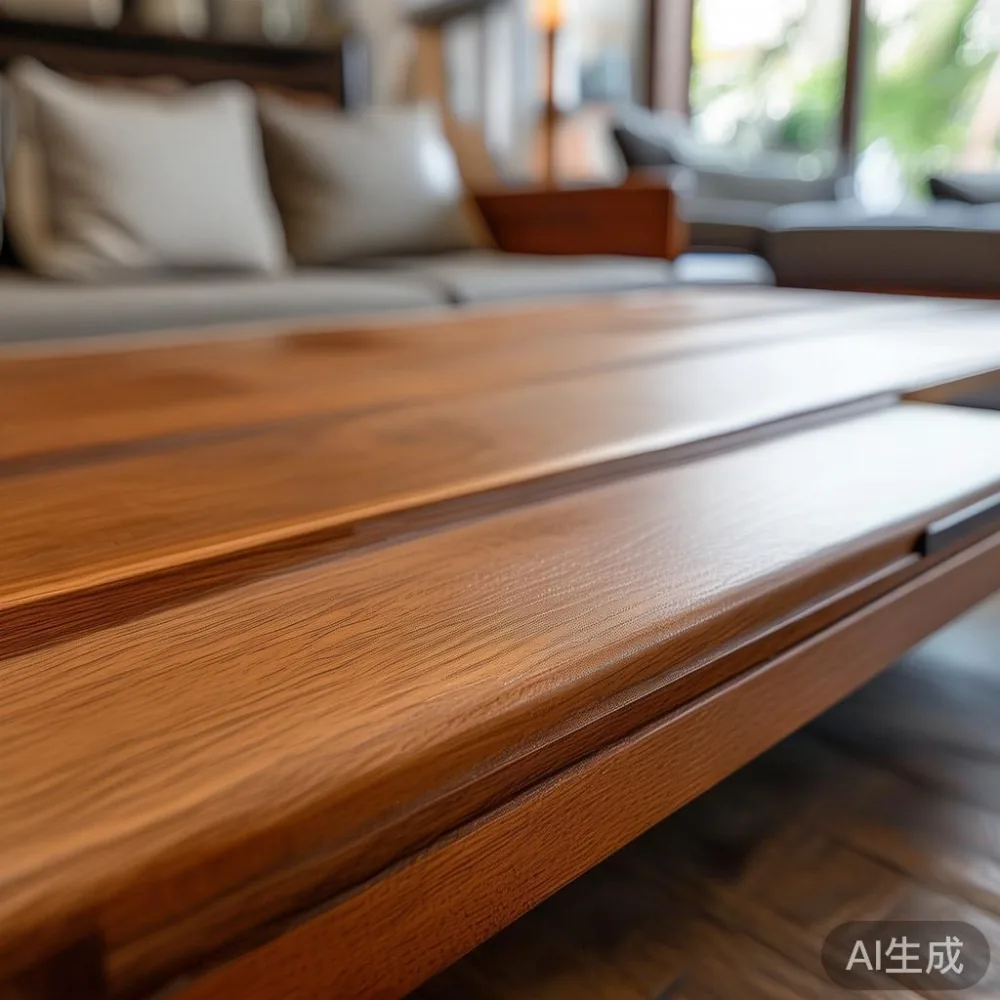
At its core, the difference lies in construction. A solid wood sofa bed is crafted from a single, solid piece of wood, such as oak, walnut, or mango. The frame, arms, and back are all made from this material, showcasing the wood's natural grain and character. A veneer sofa bed, on the other hand, has a base made of a less expensive material like particleboard, MDF (Medium-Density Fiberboard), or plywood. A thin slice of real wood, known as the veneer, is then glued onto the surface to give it the appearance of solid wood. This process allows for a wider variety of finishes and can often produce a more uniform look.
The distinction is significant. Solid wood is a natural, durable material that can withstand changes in humidity and temperature, which is a consideration in Singapore's climate. It can be sanded and refinished multiple times, allowing it to be restored to its original condition. Veneer, while designed to mimic solid wood, is a thin layer bonded to a substrate. If this layer is damaged or peels, the underlying material is exposed, and repair is far more complex, often replacing the entire panel.
The Upfront Investment: A Singapore Price Breakdown
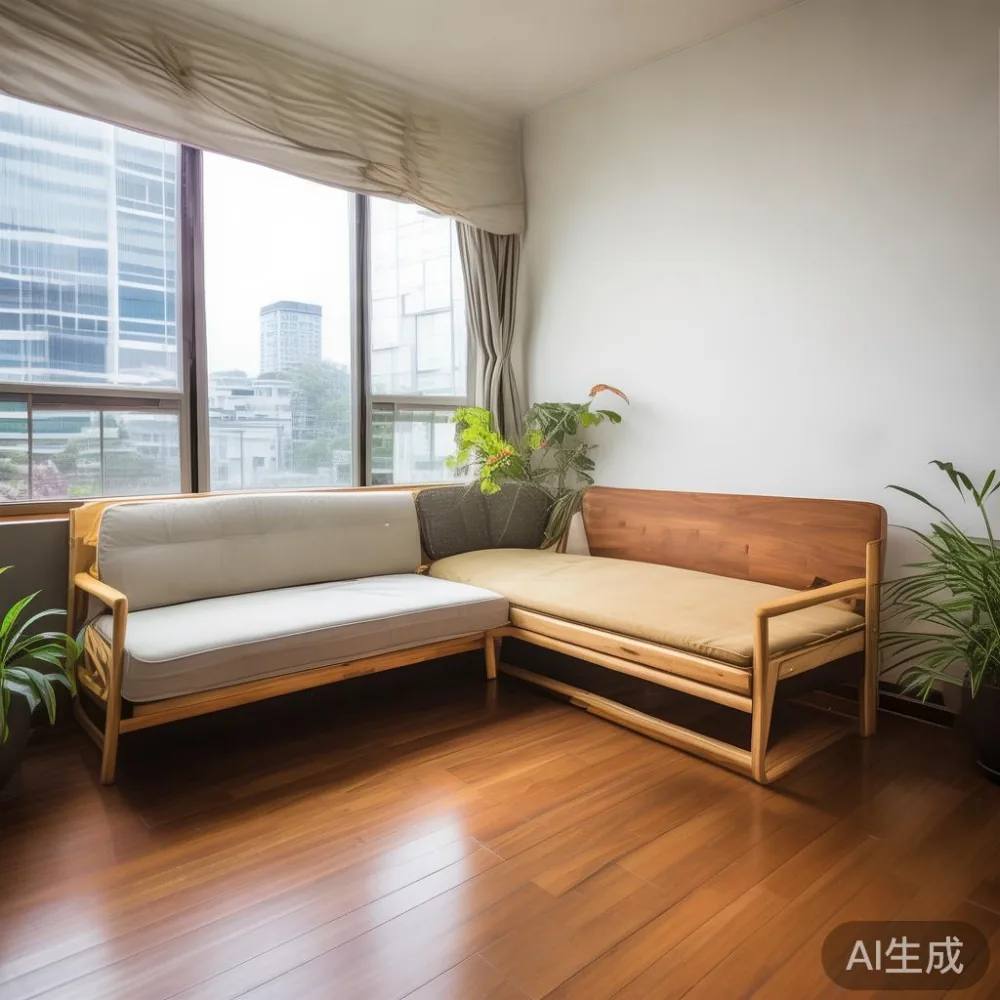
The most immediate difference between the two options is the purchase price. Let's examine the cost of a standard 3-seater sofa bed suitable for a Singapore living room, measuring approximately 190cm wide by 90cm deep when used as a sofa. We'll use prices typical for the Singapore market, inclusive of 9% GST.
A veneer sofa bed from a local or mid-range retailer might cost between SGD 1,200 and SGD 1,800. This price point often includes a simple mechanism for converting the sofa into a bed and a standard foam mattress. For example, a model from a popular local brand might be priced at SGD 1,599. It looks elegant and fits well in the average Singaporean corridor, which typically has a width of at least 120cm, allowing for easy movement during delivery.
A solid wood sofa bed, however, commands a higher price. For a comparable 3-seater model made from solid mango or oak, you can expect to pay between SGD 2,800 and SGD 4,500. The cost reflects the quality of the material, the joinery, and the durability of the mechanism. A solid wood bed frame is inherently stronger, and the same applies to the sofa bed's structure. A model from a specialist like MIDHILL, known for its craftsmanship, might fall into the higher end of this range, reflecting the 10-year structural warranty that comes with it.
So, the initial investment for a solid wood sofa bed can be SGD 1,200 to SGD 3,000 more than a veneer equivalent. For a family in a Bedok HDB flat, this is a significant upfront cost. But is the extra money spent at the beginning justified over time?
Longevity and Durability: A 5-Year Wear and Tear Analysis
To understand the true cost, we must project how each sofa bed will perform over five years of use. Singapore's environment, with its high humidity and year-round warmth, puts furniture to the test.
For the veneer sofa bed, the first signs of wear might appear within the first two years. The constant exposure to moisture can cause the glue bond between the veneer and the MDF to weaken. Small bubbles or peeling at the edges are common. The particleboard base, if it gets wet from a spill or high humidity, can swell and lose its structural integrity. The mattress, often a simple foam unit, may also start to sag, leading to an uncomfortable night's sleep for guests. After five years, a veneer sofa bed often looks tired. The finish may be scratched and worn, and the mechanism might start to feel loose or wobbly. Repair is difficult and expensive; fixing a peeling veneer is a specialist job that can cost SGD 300 or more, and replacing the entire bed mechanism could be SGD 800.
The solid wood sofa bed tells a different story. Solid wood is naturally more resistant to humidity changes. It may expand and contract slightly, but this is a natural characteristic, not a defect. The joinery, such as dovetail or mortise-and-tenon joints, is designed to last for decades. The mattress is often of a higher quality, such as a pocket spring unit, which retains its shape better than foam. After five years, a well-made solid wood sofa bed will show its age in the form of minor scratches on the surface, but the structure will remain sound. The finish might have dulled slightly from use, but this is where a key advantage comes in. A solid wood piece can be professionally refinished. A refinishing service, which involves sanding and reapplying the lacquer, can restore the sofa bed to its original condition for approximately SGD 600 to SGD 900. This is a significant saving compared to replacing the entire piece.
Resale Value: The Hidden Financial Factor
When moving homes, as many Singaporeans do, especially between condos in Tampines or Punggol, the resale value of furniture becomes a factor. A used piece of furniture can offset the cost of buying new ones for your next home.
A 5-year-old veneer sofa bed has virtually no resale value. Its condition is often poor, with peeling veneer and a worn-out mattress. It is difficult to sell, and if you do, you might only get SGD 100 to SGD 200 for it, if at all. Most buyers would prefer to buy a new, low-cost veneer sofa bed rather than a used one.
A 5-year-old solid wood sofa bed, however, holds its value remarkably well. Because of its durability and timeless appeal, it can be resold for a significant portion of its original price. A piece that cost SGD 3,500 might be sold for SGD 1,500 to SGD 2,000 on platforms like Carousell or through second-hand furniture stores. This is a substantial return on your initial investment. The value is not just in the name, but in the tangible quality of the piece. A designer Modern light luxury furniture piece, for instance, maintains its value because of its quality materials and construction.
Is a Solid Wood Sofa Bed Really Worth the Extra Money?
This is the question every homeowner in Singapore asks. The answer lies in the total cost of ownership over five years. Let's break it down with a simple calculation for a veneer versus a solid wood option.
Veneer Sofa Bed Scenario:
- Initial Purchase Price: SGD 1,599
- Repair Cost after 3 years (veneer peeling): SGD 350
- Replacement Mattress after 4 years (sagging foam): SGD 250
- Resale Value after 5 years: SGD 150
- Total Cost of Ownership (5 years): SGD 1,599 + SGD 350 + SGD 250 - SGD 150 = SGD 2,049
Solid Wood Sofa Bed Scenario:
- Initial Purchase Price: SGD 3,200
- Refinishing Cost after 5 years (optional, for aesthetic refresh): SGD 700
- Resale Value after 5 years: SGD 1,800
- Total Cost of Ownership (5 years): SGD 3,200 + SGD 700 - SGD 1,800 = SGD 2,100
As you can see, over a five-year period, the total cost of ownership is remarkably similar. The veneer option starts cheaper but incurs repair and replacement costs. The solid wood option has a higher initial outlay but is offset by a much higher resale value. The solid wood piece also offers the option of refinishing instead of replacing, giving you more control over your expenditure. When you factor in the peace of mind that comes with a 10-year structural warranty, the choice becomes even clearer. You are not just buying a sofa bed; you are making a long-term investment in your home's comfort and value.
Real Experience: A Colleague's Journey with a Veneer Sofa Bed
To illustrate this point, I spoke with my colleague, Priya, who lives in a 3-room HDB flat in Punggol. Two years ago, she bought a popular veneer sofa bed for SGD 1,299 to save money for her renovation. 'It looked perfect for my living room,' she told me. 'The width was just right for the space, and it converted into a bed for my parents when they visited.'
Last month, I visited her new place. She had just bought a new sofa bed. 'The old one was a nightmare,' she explained. 'The veneer on the armrest started peeling about a year ago. I tried to fix it with wood glue, but it just peeled again in a different spot. The bed frame mechanism also started making a horrible grinding noise. My parents said the mattress was so uncomfortable they had to ask for extra blankets to pad it out. In the end, it was cheaper to buy a new one than to keep repairing the old one. I wish I had spent the extra money initially on a solid wood piece that would have lasted. I learned my lesson the hard way.'
Priya's experience is a common one. The allure of a lower price point is strong, but the hidden costs of poor quality quickly add up, both financially and in terms of convenience and frustration.
Making the Right Choice for Your Singapore Home
When furnishing a Singapore home, whether it's a compact HDB flat or a spacious condo, the choice between veneer and solid wood for a sofa bed is a significant one. A veneer sofa bed might seem like a budget-friendly solution, but its lifespan is limited. The repairs, replacements, and lack of resale value can make it a more expensive option in the long run.
A solid wood sofa bed, with its higher initial cost, proves to be a sound financial investment over five years. Its durability, resistance to the local climate, and the ability to be refinished mean it will look and function well for years to come. The high resale value ensures that when you are ready to move on, you recoup a large portion of your investment. For those who appreciate quality and design, a solid wood piece offers a timeless appeal that veneer simply cannot match. The search for the best French sofa for 2026 might lead you to a beautifully crafted solid wood piece, just as the decision to buy a Mid-century modern wardrobe is an investment in longevity.
Ultimately, the decision comes down to what you value most. If you prioritize immediate savings and are willing to replace your furniture in a few years, a veneer sofa bed might suffice. But if you want a piece that will serve you well, look beautiful in your home for a decade, and provide a return on your investment when you're done with it, the choice is clear. A solid wood sofa bed is not just a purchase; it is a long-term commitment to quality and value in your Singaporean home.