Humidity and Wood Furniture in Southeast Asia: A Homeowner's Guide to Protecting Your Investment
Living in Singapore, where the air is thick with moisture, presents a unique challenge for homeowners who appreciate natural materials. The constant humidity isn't just a weather inconvenience; it's a silent force that can affect the very structure of your home, particularly your furniture. For those who have invested in solid wood pieces, understanding this relationship is key to preserving both the beauty and longevity of your assets. This article explores the specific impact of Singapore's climate on wood furniture, offering practical advice for residents in HDB flats and condos across the island, from Tampines to Punggol.
What Exactly is Humidity and Why Does It Matter for My Furniture?
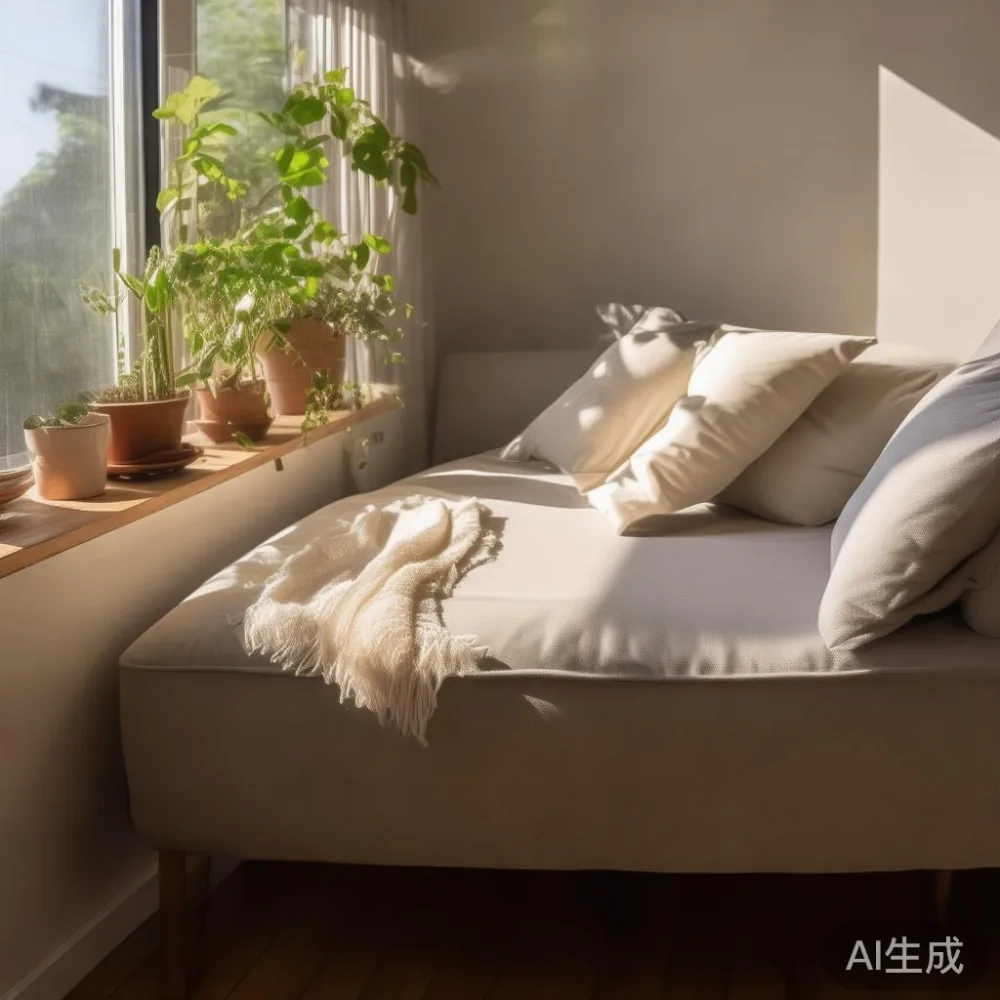
Humidity refers to the concentration of water vapour present in the air. In Singapore, this is a significant factor, with average relative humidity levels hovering between 70% and 90% throughout the year. These conditions are far from ideal for natural materials like wood. Wood is hygroscopic, meaning it naturally absorbs and releases moisture from the surrounding environment. When the ambient humidity is high, wood absorbs this moisture, causing its fibres to swell and expand. Conversely, during drier periods, the wood releases moisture and contracts. This continuous cycle of expansion and contraction, known as wood movement, is the primary reason humidity can wreak havoc on your furniture if not properly managed.
How Humidity Physically Damages Wood: The Science Behind the Problems
The effects of high humidity on wood are not superficial; they are structural. As wood absorbs moisture, it expands. This expansion can manifest in several ways, from subtle cosmetic issues to severe structural damage. For example, a solid wood dining table measuring 180 cm in length might expand by as much as 1.2 cm in a high-humidity environment. If this expansion is constrained—for instance, by a wall or another piece of furniture—the internal stress can cause the wood to split or crack. The same principle applies to smaller items; a nightstand's drawer might become difficult to close as the wood swells, or a wardrobe door might warp, preventing it from sitting flush with the frame. The finish on the wood, designed to be a protective barrier, can also be compromised, leading to peeling, bubbling, or a cloudy appearance as the wood beneath it moves.
A Real-World Example: My Visit to a Client in Bedok
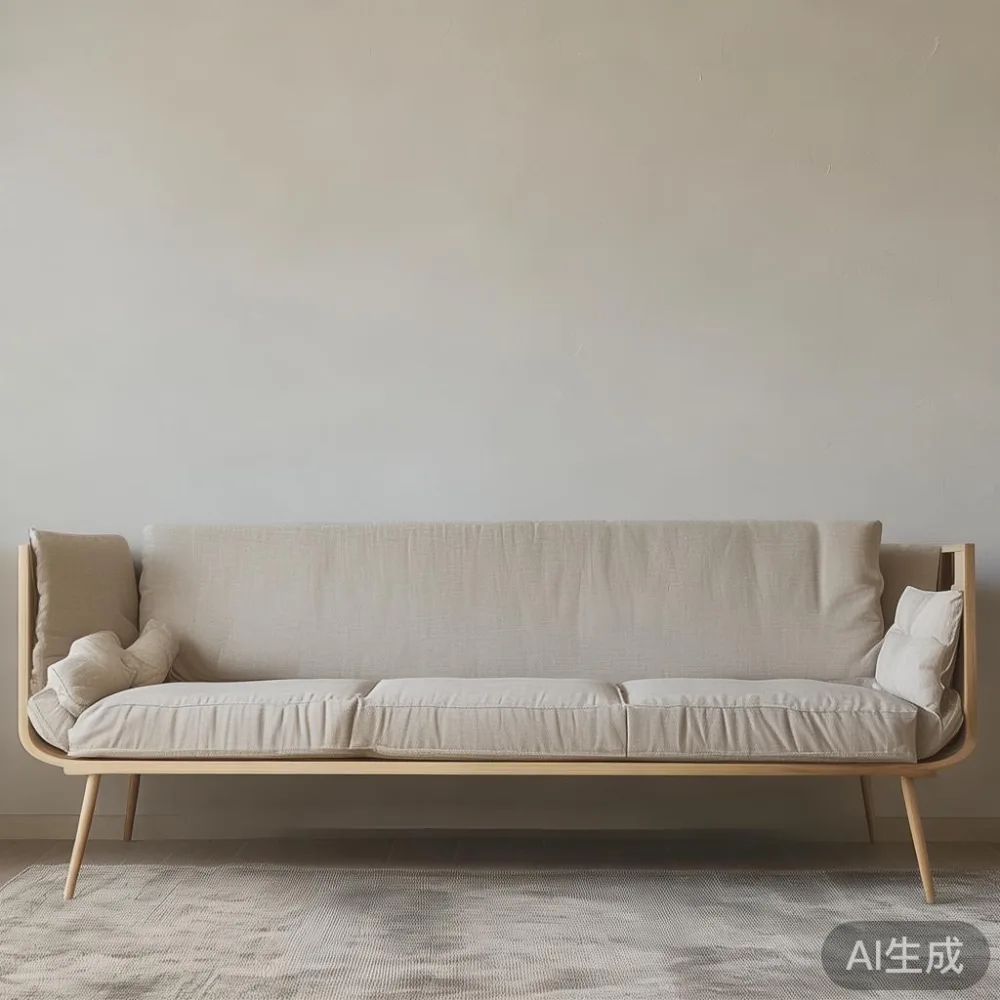
Last month, I visited a client in their Bedok HDB flat. They had recently purchased a beautiful solid wood sofa bed from a reputable brand and were concerned about a slight warping they had noticed on the armrests. The sofa, a 3-seater model, measured 210 cm in length, 95 cm in depth, and 85 cm in height. Upon inspection, I could see that the frame, made from solid oak, had indeed warped by about 0.5 cm. The client mentioned they lived on a higher floor and kept their windows open for most of the day to save on air conditioning costs, inadvertently exposing the furniture to maximum humidity. This firsthand experience was a stark reminder of how quickly environmental factors can impact even high-quality pieces. It highlighted the importance of not just the furniture itself, but also the environment in which it is placed.
Why Singapore's HDB Flats and Condos Are Particularly Vulnerable
The architecture of Singapore's public housing and private condominiums, while efficient, can sometimes exacerbate humidity issues. Many HDB flats, especially in older estates like Tampines or Punggol, feature compact layouts with limited natural cross-ventilation. The narrow lift corridors, often no more than 1.5 meters wide, can trap stale, moist air. Also, the high concentration of units in a single building means that shared walls can transfer moisture from one home to another. For those living in condos, while ventilation might be better, the use of air conditioning to combat the heat creates a constant cycle of cooling and condensation. When a cold air-conditioned room meets the humid Singaporean air outside, moisture can form on surfaces, including your furniture. This is why choosing the right furniture for your specific living environment is so important.
Is My Solid Wood Sofa Bed Doomed in Singapore's Humidity?
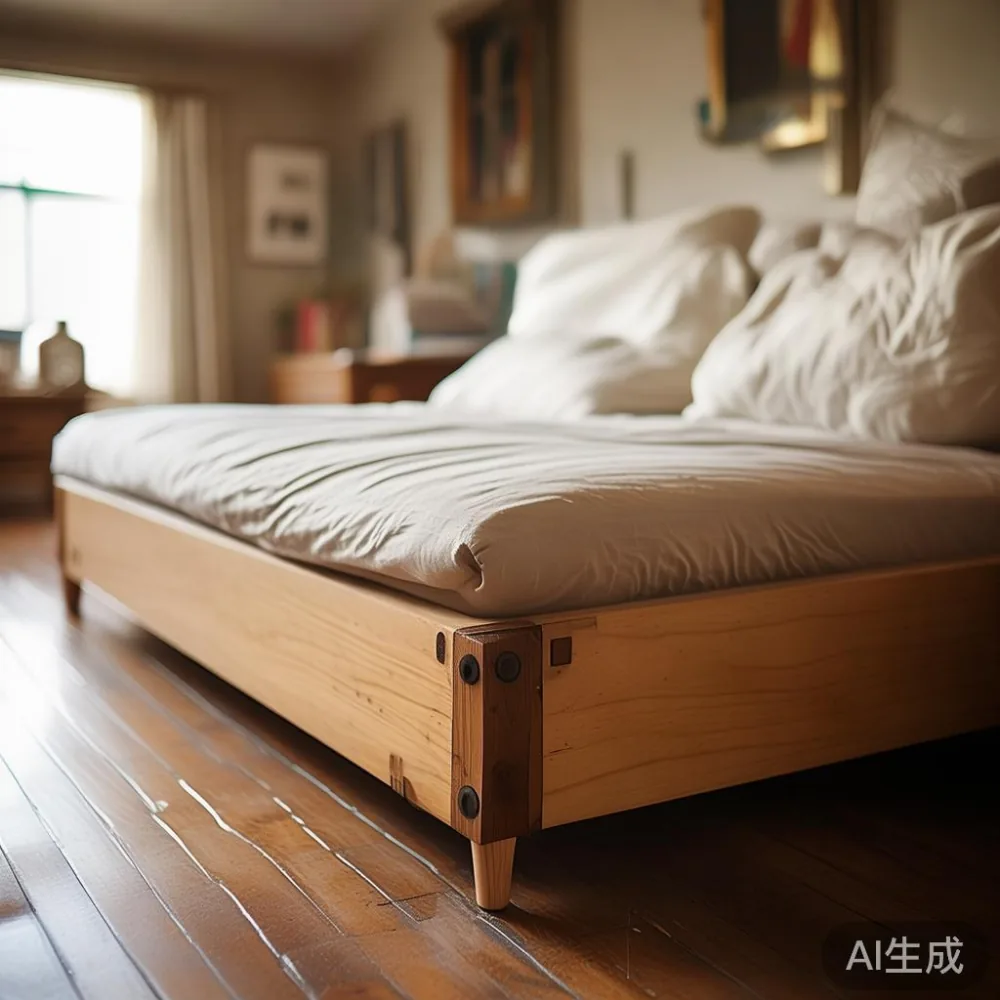
This is a common and valid question for many homeowners. The short answer is no, your solid wood sofa bed is not doomed, but it does require a different approach to selection and care. The key is not to fight nature but to work with it by choosing furniture that is specifically designed to withstand humid climates. This means looking for pieces made from stable hardwoods like teak, walnut, or acacia, which are naturally more resistant to moisture than softer woods like pine. It also means paying close attention to the construction and finishing. A well-made sofa bed will have a solid frame designed to accommodate some degree of wood movement without compromising its structural integrity. The finishing is equally critical; multiple coats of a high-quality, moisture-resistant lacquer or oil can create a protective barrier that significantly slows down the absorption of moisture into the wood fibres.
Practical Solutions for Protecting Your Wood Furniture
Protecting your investment in a humid climate requires a multi-faceted approach that combines smart purchasing habits with ongoing maintenance. Here are some practical steps every homeowner can take:
- Invest in a Dehumidifier: For rooms with particularly high humidity, such as bedrooms or living rooms with large windows, a dehumidifier can be a standout piece. A unit capable of extracting 20 litres of moisture per day can significantly lower the ambient humidity to a more manageable 50-60% range, creating a much safer environment for your wood furniture.
- Use Air Conditioning Wisely: While it's tempting to turn off the AC to save on electricity, it's better to run it at a moderate temperature (around 24-25°C) to maintain a stable, cool, and dry environment. This helps prevent the extreme humidity swings that cause the most wood movement.
- Apply Protective Polish:
- Control Direct Sunlight: Direct sunlight can heat up wood surfaces, causing them to dry out and contract rapidly, which can lead to cracking. Use curtains or blinds to filter harsh sunlight, especially during the afternoon hours.
- Ensure Proper Ventilation: When the weather is dry, open your windows to allow air to circulate. This helps to expel any trapped moisture and keep the air in your home fresh and less humid.
What to Look for When Buying a Humidity-Resistant Sofa Bed
When shopping for a new sofa bed, especially one that will be a centrepiece of your living room, it's important to know what to look for. A good sofa bed should be a combination of aesthetic appeal and practical resilience. Look for frames made from kiln-dried wood. Kiln-drying is a process where wood is dried in a controlled environment to a specific moisture content, making it much more stable and less likely to warp after it leaves the factory. The joinery is another critical detail. Dovetail or mortise-and-tenon joints are far superior to simple screws or nails, as they allow the wood to expand and contract without coming apart. The upholstery should also be considered; choose breathable, natural fabrics like linen or cotton over synthetic materials like polyester, which can trap moisture against the wood frame.
| Feature | Standard Construction | Humidity-Resistant Construction |
|---|---|---|
| Wood Moisture Content | 12-15% (varies with environment) | 6-8% (kiln-dried for stability) |
| Frame Joints | Staples, nails, simple screws | |
| Finish | ||
| Upholstery |
How to Style a European Bed in an Apartment
When considering furniture that balances style and function for a humid climate, many homeowners are drawn to European designs. The phrase 'how to style European bed in apartment' often comes up, as these pieces offer a sophisticated look without sacrificing practicality. A European-style bed frame, often made from lighter woods like ash or beech, can be an excellent choice. Its clean lines and minimalist aesthetic fit well in the smaller spaces common in Singaporean apartments. To complement this, you might pair it with a marble-topped nightstand. Marble, while a natural stone, is less porous than wood and holds its temperature well, making it a stable surface in a humid environment. This combination creates a light, airy feel that is both elegant and practical for the local climate.
Understanding the Value Proposition: Is French Sofa Worth It?
The question of 'is French sofa worth it' often arises when homeowners are looking to add a touch of luxury to their homes. French-style furniture is characterised by its ornate details, curved lines, and often, lighter finishes. While the aesthetic is undeniably beautiful, it's important to assess its suitability for a humid climate. A well-made French sofa from a brand like MIDHILL will use high-quality, stable hardwoods and advanced finishing techniques to ensure it can withstand Singapore's humidity. The value lies in the craftsmanship and the materials used. A French-style sofa might cost between SGD 3,500 and SGD 6,000, but this investment is in a piece that is designed to last, combining timeless style with modern resilience.
Comparing Styles: European Bed vs Japandi Bed for Singapore Living
The choice between a 'European bed vs Japandi bed' is a common dilemma for Singaporean homeowners. European beds, as mentioned, often feature more pronounced design elements and a focus on statement-making materials. Japandi beds, on the other hand, embrace the 'Japandi' philosophy of blending Japanese minimalism with Scandinavian functionality. They typically feature simple forms, natural wood grains, and a focus on craftsmanship and sustainability. For a humid climate, both styles can work well if constructed properly. A Japandi bed, often made from solid oak or walnut with a natural oil finish, is inherently breathable and stable. A European bed might use more upholstery and complex joinery. The decision often comes down to personal style preference, but both can be excellent choices when sourced from a reputable manufacturer who understands the demands of the local environment.
Looking Ahead: The Best Light Luxury Wardrobe for 2026
As homeowners plan for the future, they often look for pieces that are both on-trend and durable. The search for the 'best light luxury wardrobe for 2026' points towards a style that is sophisticated, uncluttered, and built to last. Light luxury is about understated elegance, focusing on high-quality materials and clean lines rather than excessive ornamentation. For a wardrobe, this means solid wood construction, perhaps with a matte or low-sheen finish, and hardware that is both functional and aesthetically pleasing. Features like soft-close hinges and internal LED lighting add a touch of modern convenience. A wardrobe of this calibre, designed for longevity, would be a significant investment, likely costing upwards of SGD 4,000, but it represents a piece of furniture that will remain beautiful and functional for years to come.
MIDHILL's Approach to Humidity-Resistant Furniture
At MIDHILL, we have been crafting solid wood furniture for the Southeast Asian market since 2008. Our experience has taught us that beauty must be matched by durability. We understand that a sofa bed is not just a place to sit or sleep; it's a long-term investment in your home. That's why every piece we create is designed with the local climate in mind. We source stable hardwoods and employ a meticulous 14-step finishing process that includes multiple layers of a specially formulated, moisture-resistant lacquer. This process ensures that our furniture can withstand the humidity fluctuations common in Singapore, from the monsoon season to the drier months. Our commitment to quality is backed by a 10-year structural warranty and a lifetime refinishing service, giving our customers the confidence that their investment is protected.
Final Thoughts on Making the Right Choice
Living with wood furniture in Singapore's humidity is entirely possible with the right knowledge and choices. It's about understanding the material, recognising the challenges, and selecting pieces that are specifically engineered to thrive in this environment. Whether you are furnishing a new HDB flat in Tampines or a condo in Punggol, the principles remain the same: choose quality, look for stability, and maintain your furniture with care. By doing so, you can enjoy the warmth, beauty, and character of solid wood furniture for many years, creating a home that is both stylish and resilient.