Solid Wood Furniture Pricing: Unveiling the Factors
For those of us living in Singapore, our homes are more than just spaces; they are carefully curated sanctuaries. The furniture we choose must balance style, function, and durability, especially when dealing with the unique spatial constraints of HDB flats and condominiums. A common point of confusion, however, lies in the price tags of solid wood furniture. Why does a simple-looking solid wood sofa bed cost SGD 2,500 while another might be SGD 4,500? The answer isn't a single factor but a complex interplay of elements that determine the final cost. This guide breaks down the actual drivers of price, helping you make a more informed decision for your Tampines, Bedok, or Punggol home.
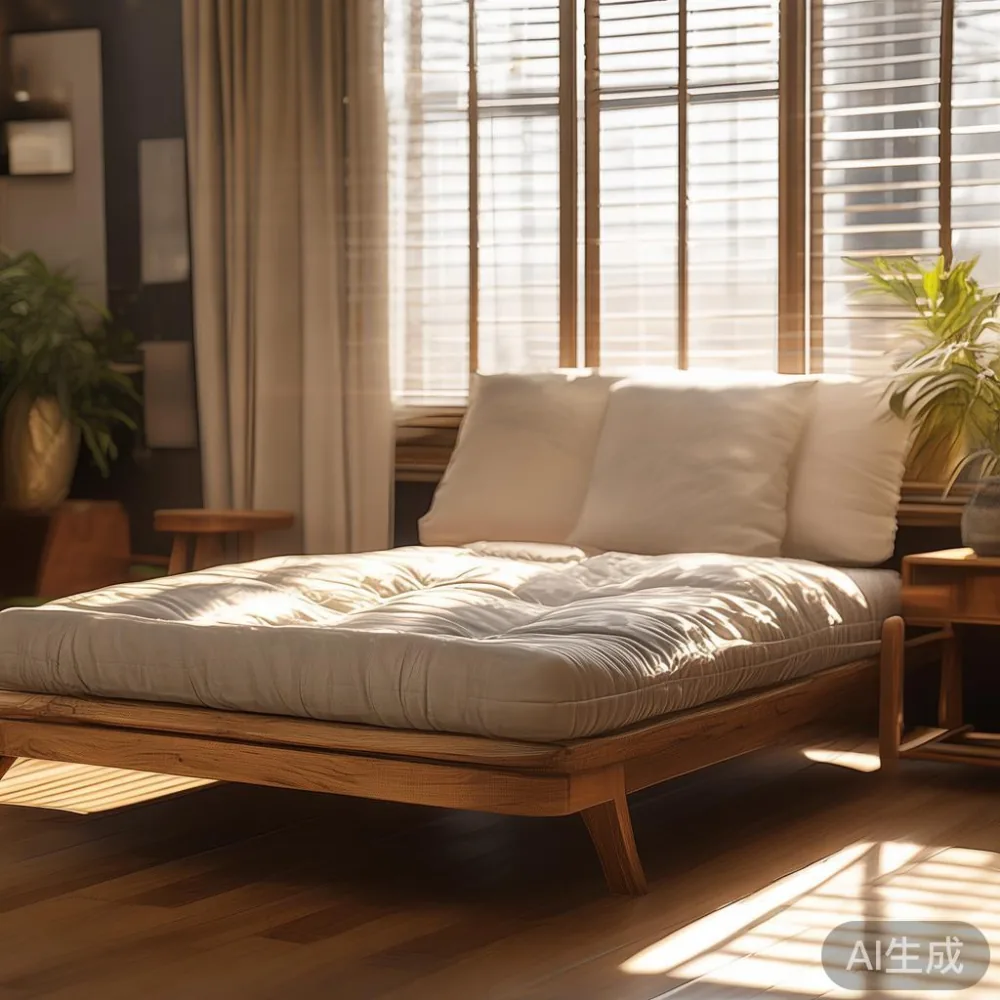
Material Matters: Beyond 'Solid Wood'
The term 'solid wood' is broad and can be misleading. The type of wood is the single most significant factor influencing a piece's price and longevity. Solid wood furniture is typically made from either hardwood or softwood.
Hardwoods come from deciduous trees (trees that lose their leaves) and are denser, more durable, and more expensive. Common hardwoods used in furniture include oak, maple, walnut, and mahogany. For instance, a solid oak queen bed frame will command a higher price than one made from pine due to oak's superior hardness and resistance to wear. This durability is a key consideration for a family in an HDB flat where furniture might see more frequent use.
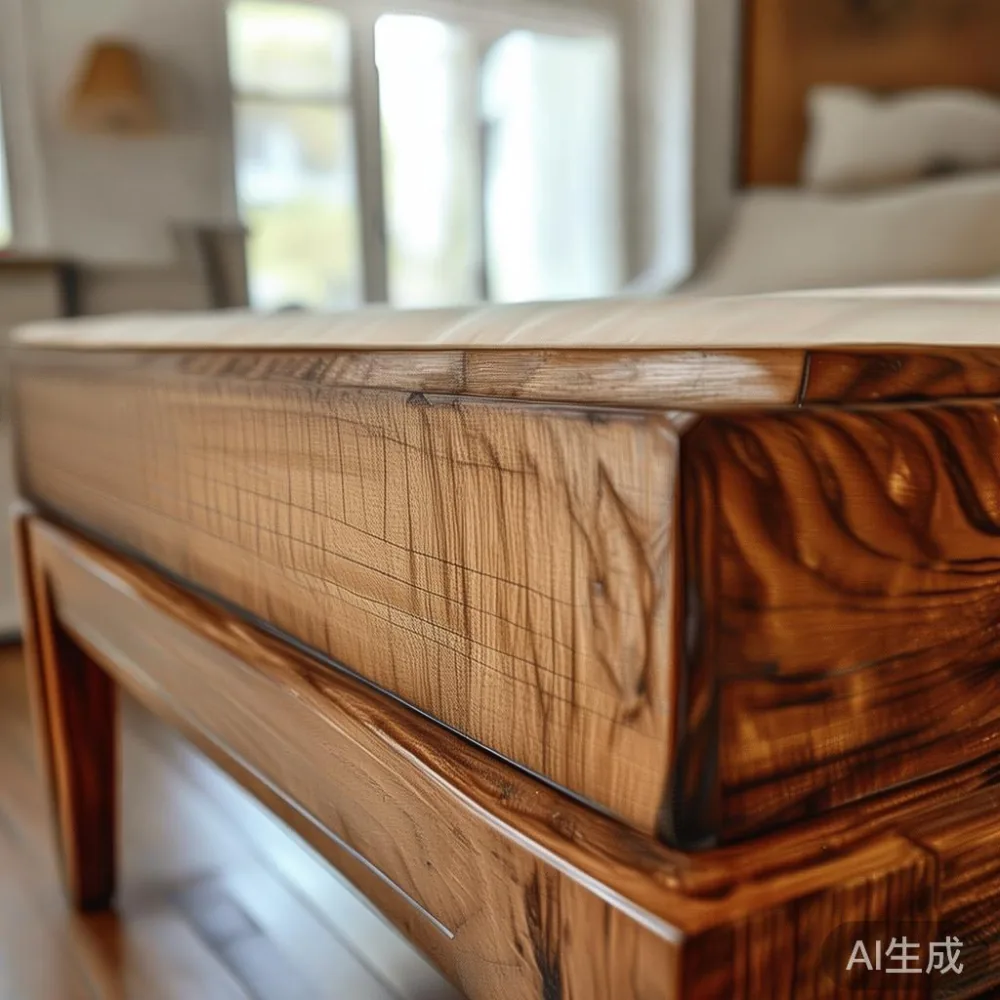
Softwoods come from coniferous trees (like pine, fir, and cedar) and are generally less expensive and lighter. While they are still 'solid wood,' they are more prone to dents and scratches. A solid wood sofa made from a high-quality, dense softwood can be a good option, but it's important to understand its limitations compared to a hardwood equivalent. The origin of the wood also plays a role. North American oak, for example, might have a different price point than European oak due to shipping costs and import duties, which are factored into the final retail price.
Why is a French Light Luxury Sofa Bed So Much More Expensive?
The price of a sofa bed is heavily influenced by its design complexity and the engineering required to transform it from a sofa to a bed. A French light luxury sofa bed, with its elegant, tailored lines and plush, high-density foam cushions, represents a significant investment in design and comfort. The mechanism that allows it to fold out smoothly and support a person's weight night after night is a marvel of engineering. These mechanisms are often proprietary, made from steel alloys that can withstand thousands of cycles of use without failing. A simple, pull-out mechanism is far less complex and costly than a premium, one-touch system that glides open effortlessly. The upholstery itself is another cost driver. High-performance fabrics like linen blends or top-grain leather, which are common in light luxury designs, are more expensive than standard polyester and offer better durability and a more luxurious feel.
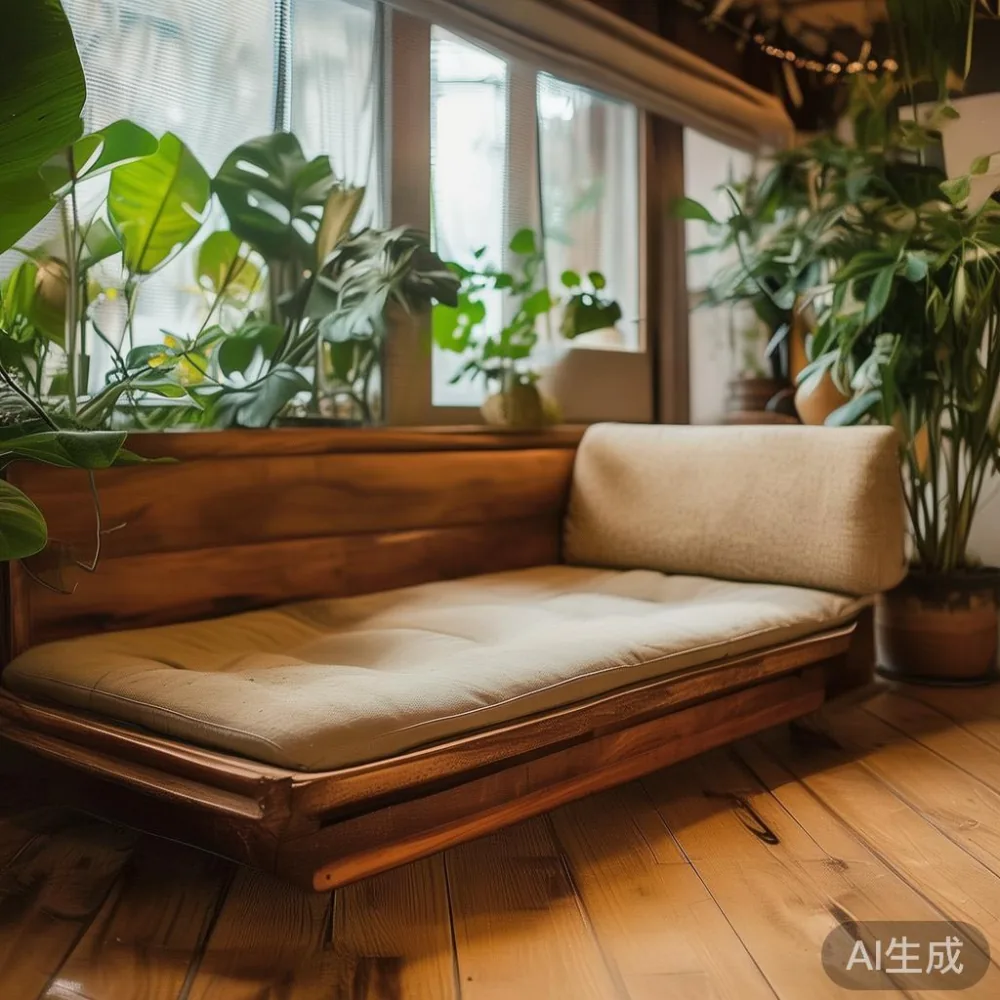
Last month, I visited a workshop to see how these pieces are made. The difference in build quality between a standard sofa bed and a French-inspired one was stark. The standard model used a simple metal frame and basic foam, while the luxury version featured a reinforced wooden frame with steel reinforcements, pocketed springs in the seat cushions, and a sophisticated hidden leg system for the bed frame. The attention to detail was in every stitch and joint, justifying the higher price point for those who prioritize both aesthetics and long-term function.
What is the best wardrobe sg for a small apartment?
The best wardrobe for a small Singaporean apartment is one that maximises vertical space without overwhelming the room, which is a direct answer to the question of what drives its price.
In a city where space is at a premium, a wardrobe's design is critical. A wardrobe that is 60cm deep instead of 70cm can save a significant amount of floor space in a bedroom. A wardrobe with a sliding door mechanism is often more expensive than one with hinged doors because the hardware is more complex and requires precise installation to ensure it glides smoothly without derailing. This engineering for space-saving directly impacts the cost. Also, internal fittings are a major factor. A wardrobe with simple hanging rods is less expensive than one with customisable interior systems, including pull-out trouser racks, shoe compartments, and accessory drawers. These features add to both the material and labour costs. For a Punggol apartment with a generous ceiling height, a floor-to-ceiling wardrobe with a marble table top for a nightstand built-in might be the perfect solution, but it will be priced accordingly due to the size and the high-quality material.
Labour, Craftsmanship, and Origin
You cannot separate a piece of furniture's price from the hands that build it. Furniture manufacturing is a labour-intensive process, and the cost of skilled labour is a major component of the final price. A piece of furniture made by hand or in a small workshop with skilled artisans will be more expensive than one mass-produced by machines. This is because hand-cutting joints, hand-sanding surfaces to a perfectly smooth finish, and hand-applying multiple coats of lacquer require a high level of skill and time.
Country of origin also plays a significant role. Furniture made in China, like that from Foshan-based makers established in 2008, often offers a better price-to-quality ratio due to lower labour and material costs compared to pieces made in Europe or North America. However, this doesn't mean lower quality. Many Chinese manufacturers have adopted advanced techniques and stringent quality control to produce world-class furniture. The key is the manufacturer's reputation and the specific processes they use. For example, a post-modern light luxury dining table might be designed in Italy but crafted in Foshan, combining European design sensibility with efficient Asian manufacturing, which creates a specific price point.
The True Cost of Ownership: Warranty and Logistics
The initial price tag is only one part of the equation. The long-term value of a piece of furniture is heavily influenced by its warranty and the cost of getting it to your home. A 10-year structural warranty on a solid wood sofa frame is a significant indicator of quality. It means the manufacturer is confident in the durability of their joinery and materials. This peace of mind has a real value, protecting your investment over a decade. A brand that only offers a 1-year warranty is taking a bigger risk, which might be reflected in a lower initial price, but the potential for future repair or replacement costs is much higher.
Logistics are another hidden cost driver. Delivering a large item like a bed frame or wardrobe to a high-floor HDB flat in Bedok or a condo in Tampines requires specialised handling. The furniture must be carefully protected to prevent damage during transit. The delivery team needs to work through narrow corridors and lift landings, which can be as narrow as 80cm in some older blocks. This requires skilled personnel who know how to manoeuvre large items safely. Free shipping for orders over SGD 350 is a valuable benefit that effectively lowers the total cost of your purchase. A delivery that takes 14 days is standard for custom or solid wood items, as they often require careful packing and scheduling. This lead time is part of the service, ensuring your furniture arrives in perfect condition.
Understanding GST and Its Impact on Your Purchase
In Singapore, the Goods and Services Tax (GST) is a standard component of the retail price. The current rate is 9%. This means that for every SGD 100 of a product's pre-tax price, you will pay SGD 9 in tax. It's important to understand that this is a government levy, not a fee charged by the retailer. When you see a price listed, it is typically the final, GST-inclusive price. For example, a solid wood nightstand priced at SGD 220 includes SGD 18.18 in GST. This is a standard practice across all retailers in the country, from local boutiques to larger furniture chains. While it doesn't differentiate one brand from another in terms of pricing structure, it is a fixed cost that is always factored into the total amount you pay at checkout.
When comparing prices between different brands, it's useful to have a rough understanding of the pre-tax cost to get a clearer picture of the base price of the item itself. However, for the end consumer, the final, all-in price is the most relevant figure. A brand that offers a lifetime refinishing service, for example, is providing an additional long-term benefit that extends far beyond the initial purchase, adding significant value that isn't reflected in the GST-inclusive price tag.