Solid Wood Furniture Prices: What Drives the Cost in Singapore
Walking into a furniture store in Singapore, you're met with a dazzling array of options. A sleek sofa bed might cost SGD 1,200, while another, seemingly similar one, is priced at SGD 3,500. For those living in HDB flats in Tampines or Bedok, where every square centimetre counts, this difference can be staggering. The question isn't just about affordability; it's about understanding the value. What makes one piece of furniture command a premium over another? Is it the wood? The design? Or something else entirely? The answer lies in a complex interplay of factors that determine the true cost of a well-made piece, especially a versatile item like a solid wood sofa bed.
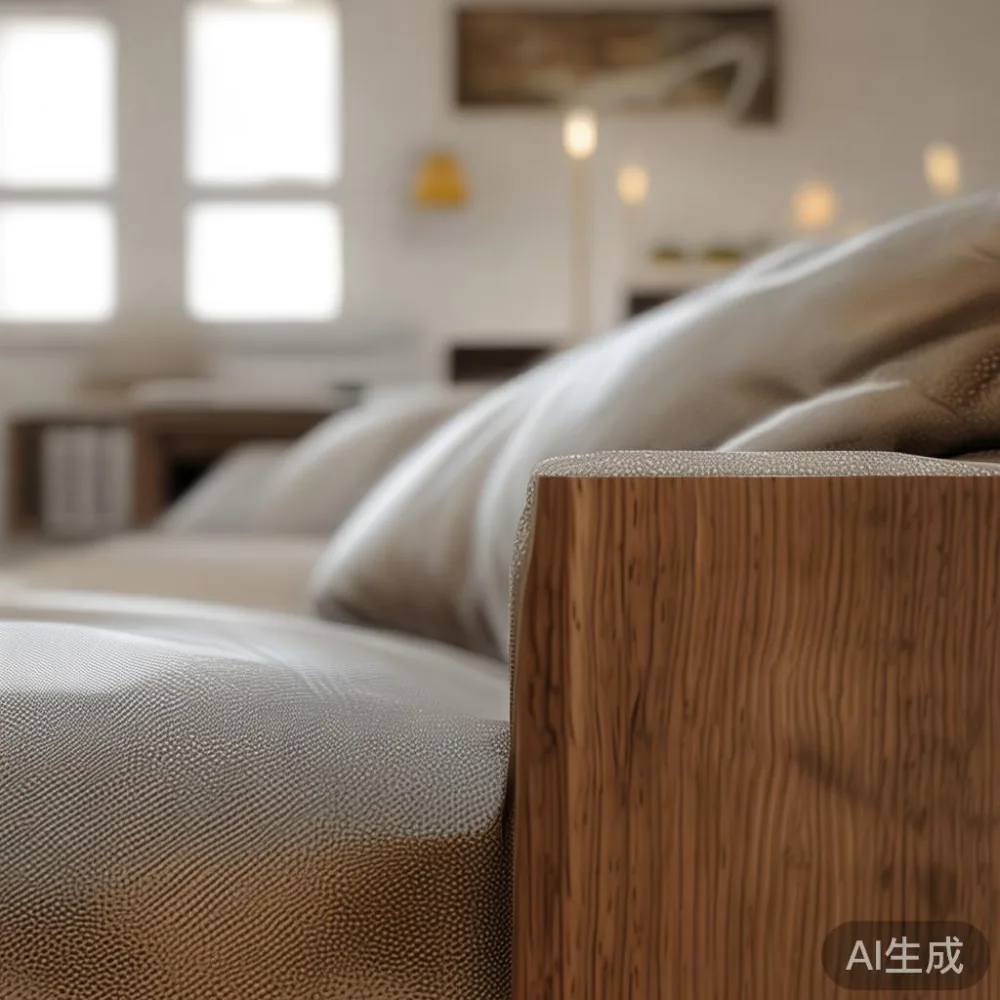
Is a Heavier Sofa Bed Always a Better Sofa Bed?
One of the most common misconceptions is that weight equals quality. It's a logical assumption—heavier things feel more substantial. However, this is a dangerous oversimplification. The weight of a sofa bed is determined by the density of its materials, not necessarily their quality. A sofa bed made from dense, inexpensive rubberwood will be heavier than one crafted from high-quality, lighter American ash. The true measure of quality isn't the number on the scale, but the integrity of the joinery and the type of wood used.
Last month, I visited a factory in Foshan, similar to where our partners at MIDHILL create their pieces. I watched two sofa bed frames being assembled. One, made from solid pine, weighed 45 kilograms and used simple dowel joints. The other, constructed from a premium oak-and-steel hybrid, weighed 38 kilograms but featured mortise and tenon joints—a traditional and incredibly strong method of joining wood. The heavier pine bed felt sturdy, but the lighter oak bed was demonstrably more rigid and resistant to long-term stress. For a Singaporean home, where a sofa bed might be converted daily in a Punggol apartment, this structural integrity is paramount. The lighter, better-joined piece will last for a decade of use, while the heavier one might begin to creak and wobble much sooner.

The Wood Itself: More Than Just a Tree
The type of wood is arguably the single biggest driver of a furniture piece's cost. Not all wood is created equal. The price varies based on the tree's growth rate, its native habitat, and the complexity of its harvesting and processing. Let's break down the common woods used in light luxury furniture and what they bring to the table.
**Oak** is a classic for a reason. It's a hardwood known for its prominent grain patterns and incredible durability. A solid oak dining table can easily last for generations. However, oak is slow-growing, making it more expensive. An American oak nightstand might cost SGD 800, while a similar-sized piece made from rubberwood, a fast-growing sustainable alternative, might be SGD 350. The difference is in the longevity and the character of the wood. Oak develops a beautiful patina over time, while rubberwood is more susceptible to dents and wear.
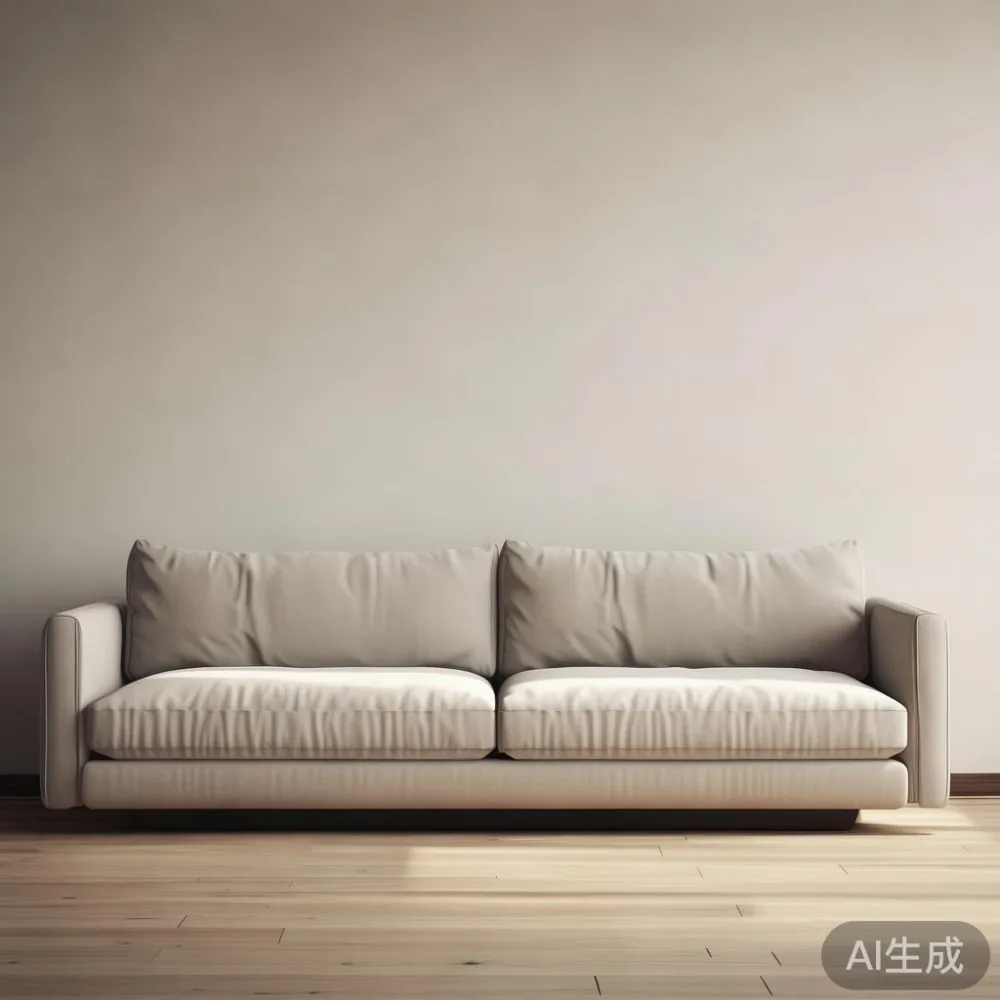
**Walnut** offers a different aesthetic. It's a premium hardwood with a rich, dark chocolate colour and a straight, tight grain that many find more elegant than oak. A wardrobe made from solid walnut can be a stunning centrepiece in a condominium, but its price reflects its status as a luxury material. Expect to pay upwards of SGD 4,000 for a well-made walnut wardrobe. This contrasts sharply with mango wood, another popular choice for light luxury aesthetics. Mango wood is sustainable and beautiful, with swirling grain patterns, but it's softer than walnut, making it better for decorative items like a marble-topped side table than for high-stress furniture.
For those exploring the European bed vs Japandi bed debate, the wood choice is a key differentiator. A European-style bed frame might favour the grandeur of solid oak or mahogany, while a Japandi bed would lean towards the lighter, more sustainable textures of ash or beech, often with a matte finish to enhance its minimalist appeal.
The Craftsmanship: Where Art Meets Engineering
Once the wood is selected, the real work begins. This is where the price of a sofa bed can diverge dramatically. A machine-cut, glued-together frame is fast to produce and therefore cheap. A handcrafted frame, built using techniques honed over centuries, is a different beast entirely.
Consider the joinery. A cheap sofa bed might rely on staples, nails, and simple butt joints. These connections are weak points. A high-quality sofa bed, like those from Foshan-based makers with a long history, will use dovetail joints for drawers, mortise and tenon joints for the main frame, and corner blocks for reinforcement. These methods create stronger, more stable furniture that can withstand the rigours of daily use. The time and skill required to execute these joints manually add to the cost, but they are the reason a piece of furniture can come with a 10-year structural warranty. You are paying for peace of mind.
Finishing is another critical step. A cheap piece might be coated with a thick layer of lacquer to hide imperfections. A luxury piece will have a multi-step finishing process. This often involves hand-sanding between each coat of oil or wax to create a deep, lustrous finish that protects the wood while allowing its natural beauty to shine through. This level of craftsmanship transforms a simple wood object into a piece of art worthy of a light luxury living room.
Design and Functionality: The Value of Versatility
In Singapore's urban landscape, space is a premium commodity. This is where the value of a well-designed sofa bed becomes undeniable. A simple sofa is just a sofa. A sofa bed is a sofa, a guest bed, and sometimes even a storage unit all in one. This multi-functionality is a significant part of its value proposition.
The engineering of the conversion mechanism is a key cost driver. A basic pull-out mechanism with a thin mattress is inexpensive. A premium system, like those used by established brands, features a sturdy metal frame, a high-density foam mattress (often 15cm thick or more), and smooth-rolling castors designed for Singapore's floor conditions. The difference in user experience is night and day. One is a chore to operate; the other is effortless. For a family in a Bedok HDB flat, where a guest room might also be a study or a play area, the ease and reliability of a good sofa bed mechanism are worth the extra investment.
Design also plays a role in how a piece integrates into a home. The trend for Coastal for small living room styles, for example, favours lighter woods, neutral fabrics, and clean lines to create an airy feel. A sofa bed designed with this aesthetic in mind will use specific materials and construction techniques to achieve the desired look without sacrificing comfort or durability. The design isn't just about looking good; it's about solving spatial problems elegantly.
Brand, Warranty, and The Hidden Costs
When you see a price tag, you're not just paying for the materials and labour. You're also paying for the brand's reputation, its customer service, and the guarantees it offers. A furniture maker that has been exporting to 15+ countries since 2008, like our partners, has built a reputation for quality. This reputation is backed by tangible benefits.
A 10-year structural warranty is a powerful statement. It tells the customer that the company stands behind its product's core integrity. This isn't a marketing gimmick; it's a reflection of the confidence the manufacturer has in its joinery and materials. Similarly, a lifetime refinishing warranty means that if the wood's finish ever fails due to manufacturing defects, the company will refinish it for you. For a piece of furniture meant to be a long-term investment, these warranties provide incredible value, protecting your purchase for decades.
Then there are the practical, often hidden, costs of ownership. Free shipping over SGD 350 is a significant benefit. A solid wood dining table can weigh over 60kg and be 2.4 metres long. Without free shipping, the delivery cost alone could be SGD 150 or more, adding a substantial amount to the final price. A 14-day return policy also reduces the risk of a poor fit, especially when working through the tight corridors and lift widths of older HDB flats. These services are part of the total value package and are factored into the price of the furniture itself.
Why You Should Invest in a Quality Sofa Bed
Given all these factors, the initial price of a high-quality sofa bed might seem steep. But when you look at the total cost of ownership over 10 or 15 years, the value becomes clear. A cheap sofa bed might need to be replaced every 3-5 years. A quality one, with its solid wood frame and solid mechanism, will last for 15 years or more. The cost per year of use for the expensive piece is often significantly lower.
Also, a well-made sofa bed holds its value. It's a piece you can be proud of in your home. When the time comes to upgrade, a solid wood sofa bed in good condition can often be sold second-hand for a reasonable price, whereas a cheap, flat-pack equivalent is often worthless. The question is American bed worth it can be reframed: is a durable, beautiful, and long-lasting piece of furniture worth the initial investment for your home? For most people, the answer is a resounding yes.
Styling a quality piece is also easier. A solid wood sofa bed serves as a beautiful anchor for a room. Whether you're aiming for a French light-luxury look with elegant curves and soft linen, or a post-modern light-luxury aesthetic with clean lines and bold textures, a well-crafted sofa bed provides the perfect foundation. Learning how to style European bed in room becomes a joy when the bed itself is a work of art. You're not decorating around a flaw; you're enhancing a masterpiece.
The market is always evolving, and for 2026, the demand for personalisation is at an all-time high. People are searching for the best Boho bed for 2026, not just for its style, but for its ability to be a unique expression of their personality. A high-quality, customisable sofa bed fits this desire perfectly, offering a blend of timeless craftsmanship and modern living needs.
Ultimately, the decision to invest in a more expensive sofa bed is a decision to invest in your quality of life. It’s about choosing comfort, durability, and beauty over a fleeting low price. It’s about selecting a piece that will adapt to your life, from the cramped confines of a Tampines HDB to the spacious layout of a new Punggol condominium. It’s about choosing furniture that is built to last, backed by a promise, and designed to make your house feel like a home. For those who appreciate the finer details, the choice is clear. You can explore more of these thoughtfully crafted pieces on platforms like m.midhill.co.