A 5-Year Financial Guide to Choosing Between Solid Wood and Veneer Sofa Beds for Your Singapore Home
Living in Singapore presents a unique set of challenges and considerations when selecting furniture. With space at a premium in HDB flats and condominiums from Tampines to Punggol, every piece must earn its place. A sofa bed, in particular, is a significant investment, serving dual functions as seating and a sleeping solution. The material choice—solid wood versus veneer—has long been a point of debate, but the conversation often lacks a concrete, long-term financial perspective. This article moves beyond aesthetics to provide a detailed, five-year cost comparison, factoring in purchase price, durability, maintenance, and even the implications for Singapore's Goods and Services Tax (GST).
Understanding the Core Difference: Solid Wood and Veneer Construction
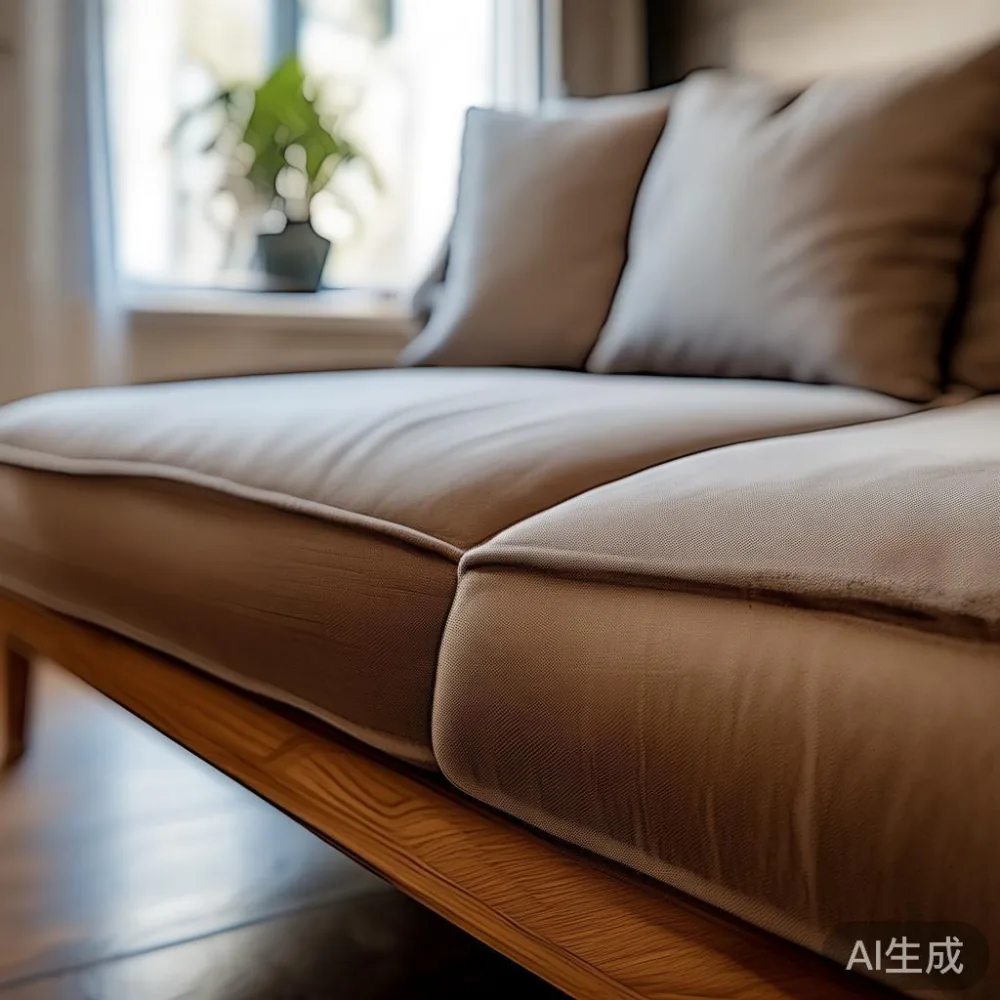
Before diving into numbers, it is important to understand the fundamental difference between these two materials. A solid wood sofa bed is constructed from a single, solid piece of lumber, typically hardwoods like oak, walnut, or teak. The frame, arms, and often the visible surfaces are all carved from this wood. This method results in a heavy, durable piece of furniture with a natural grain that deepens over time. In contrast, a veneer sofa bed uses a thin layer of real wood (the veneer) applied over a core of engineered wood, such as Medium-Density Fibreboard (MDF) or plywood. The core provides shape and stability, while the veneer offers the look of solid wood at a fraction of the cost and weight. Understanding this structural difference is key to understanding their long-term performance and value.
Initial Investment: The Upfront Cost Breakdown
The most immediate difference between solid wood and veneer sofa beds is the purchase price. A well-constructed solid wood sofa bed commands a premium. For a standard three-seater model, prices typically start from SGD 2,800 and can easily exceed SGD 5,000 for premium brands. This is because the raw material cost is significantly higher, and the craftsmanship required to shape solid wood is more labour-intensive. The weight of a solid wood sofa bed is also a factor; a common model might weigh between 80 kg and 120 kg, requiring careful handling during delivery.

A veneer sofa bed, on the other hand, is designed to be more accessible. The cost for a similar three-seater model usually ranges from SGD 1,200 to SGD 2,200. The lower price point is due to the use of less expensive engineered wood for the core and a more efficient manufacturing process for applying the veneer. The weight is also considerably less, often between 50 kg and 70 kg, making it easier to work through the narrower corridors and lifts common in older HDB estates like Bedok.
When considering this initial investment, it is worth noting that Singapore's GST of 9% is applied to the final sale price. This means the GST on a solid wood sofa bed could be as much as SGD 252, compared to SGD 108 for a veneer model. This upfront tax difference adds another layer to the initial financial decision.
Longevity and Structural Integrity: A 5-Year Durability Analysis
Longevity is where the value of solid wood truly begins to emerge. A solid wood frame is inherently strong and resilient. It is less susceptible to sagging over time, which is a common issue with sofa beds that see frequent use. The joinery, often using traditional mortise and tenon or dowel construction, is designed to last for decades. A reputable manufacturer will back this with a substantial warranty. For instance, a company like MIDHILL offers a 10-year structural warranty on its solid wood pieces, providing peace of mind against frame failure.
Veneer sofa beds, while structurally sound when new, face different challenges over a five-year period. The engineered wood core, especially MDF, can be vulnerable to moisture. In Singapore's humid climate, a spill that isn't wiped up immediately can cause the core to swell and weaken, leading to cracks in the veneer. The hinges and mechanisms that convert the sofa into a bed are also a critical point of failure. Cheaper mechanisms may wear out within 2-3 years, resulting in a sofa bed that no longer functions properly. The thin veneer surface is also more prone to chipping and scratching with daily use, which can compromise the appearance much sooner than a solid wood piece that can be sanded and refinished.
My colleague recently shared a story that perfectly illustrates this point. Last month, she visited a client in a new condominium in Punggol who had purchased a veneer sofa bed just three years prior. The client was frustrated because the bed mechanism had completely failed, and the veneer on the armrests had bubbled and peeled in several spots. The repair cost quoted was nearly SGD 800, almost half the original purchase price. This experience highlights the potential hidden costs of lower initial investment.
Is a Solid Wood Sofa Bed Really Worth the Extra Money in Singapore?
This is the most common question I receive from clients. The answer lies in calculating the total cost of ownership over five years. While the upfront price of a solid wood sofa bed is higher, its longevity and ability to be refinished often result in a lower total cost over time. A solid wood piece does not need to be replaced after 5-7 years. Instead, it can be professionally refinished for a few hundred dollars to restore it to its original condition, effectively extending its life by another decade or more. This is a stark contrast to a veneer sofa bed, which, once the veneer is damaged or the mechanism fails, is often considered beyond economical repair and is discarded.
For a family in an HDB flat with young children, the durability of solid wood is a significant advantage. It can withstand the inevitable bumps and scratches of daily life. The ability to refinish it later means it can adapt to changing decor styles without needing replacement. This aligns with the principles of sustainable consumption, reducing furniture waste over the long term. The initial higher cost is thus an investment in a piece of furniture that will serve the household for many years, rather than a disposable item.
Maintenance and Repair Costs Over Five Years
The ongoing costs of maintenance differ substantially between the two materials. Solid wood is relatively easy to care for. Regular dusting and occasional polishing with a suitable wood conditioner are usually sufficient. If a deep scratch occurs, it can often be buffed out. The biggest maintenance consideration is protecting it from Singapore's high humidity, which can be managed with proper air conditioning and dehumidifiers. A solid wood sofa bed is a long-term asset that requires minimal upkeep to maintain its structural integrity.
Veneer furniture requires more careful maintenance. The finish is less resistant to heat and chemicals, so coasters are a must to prevent water rings from leaving glasses. Cleaning must be done with a soft, damp cloth to avoid scratching the surface. Repairing damaged veneer is a complex and often expensive process. It requires a skilled craftsman to carefully remove the damaged section and patch it with a new piece of veneer, which must be stained to match the existing piece. This can cost several hundred dollars for a small repair. If the core structure is compromised, as mentioned earlier, the repair costs can become prohibitive.
Resale Value: The Hidden Financial Factor
When moving homes, as many Singaporeans do every few years, the resale value of furniture can help offset the initial cost. A high-quality solid wood sofa bed holds its value remarkably well. After five years, a well-maintained piece might retain 40-60% of its original value. This is because solid wood is perceived as a premium, long-lasting material. Buyers are willing to pay more for a piece that they know will last.
A veneer sofa bed, unfortunately, has almost no resale value after five years of use. It is often seen as a temporary solution. Buyers will typically only offer a fraction of the original price, if anything at all, because they recognize the limited lifespan and higher risk of hidden damage. When factoring in the resale value, the effective cost of a solid wood sofa bed over five years can be significantly lower than that of a veneer one. For example, a SGD 3,000 solid wood sofa bed that sells for SGD 1,500 after five years has a net cost of SGD 1,500. A SGD 1,500 veneer sofa bed that sells for SGD 200 has a net cost of SGD 1,300. While the veneer appears cheaper initially, the gap narrows considerably when resale is considered.
Styling and Integration into Singaporean Homes
Beyond the financials, the aesthetic and functional integration into a Singaporean home is important. Solid wood furniture offers a timeless quality that fits various decor styles. A client of mine recently asked for advice on how to style European light luxury sofa in room featuring a solid wood MIDHILL sofa. The natural warmth and texture of the wood provided a perfect anchor for the space, complementing the light, airy feel of the condominium in Tampines. The piece felt substantial and high-end, improving the entire living area without being overly ornate.
For those with a more modern sensibility, the choice between a French bed vs Mid-century modern bed can be a stylistic dilemma. A solid wood mid-century bed, with its clean lines and tapered legs, offers a durable and stylish alternative to a French-style upholstered bed. Its solid construction ensures it remains a stable and beautiful piece of furniture for years. The weight of solid wood also means it feels more substantial and stable in a room, which can be a desirable quality in a busy household.
When considering storage solutions like wardrobes, the material choice is equally important. A MIDHILL French provincial wardrobe made from solid oak not only provides ample storage but also serves as a statement piece. Its solid construction ensures it will not warp or sag under the weight of clothes over time, a common issue with lightweight, veneered wardrobes. For those looking for alternatives, finding furniture under 2000 Modern furniture that doesn't compromise on quality can be a challenge, but solid wood options in this price range offer the best long-term value.
MIDHILL’s Commitment to Quality and Peace of Mind
When evaluating a long-term investment like a sofa bed, the manufacturer's reputation and support system are critical. A company that stands behind its products provides a safety net that protects your investment. Established in 2008 and exporting to over 15 countries, a brand like MIDHILL has built a reputation on quality. Their 10-year structural warranty is a clear indicator of confidence in their solid wood construction. This means that for a decade, you are protected against defects in the frame, a component that is under constant stress in a sofa bed.
Also, their lifetime refinishing service is a unique proposition that underscores the longevity of their solid wood pieces. This service allows you to refresh your sofa bed's appearance decades down the line, ensuring it remains a beautiful part of your home. For customers in Singapore, the added convenience of free shipping on orders over SGD 350 and a 14-day return policy makes the purchasing process low-risk and straightforward. These policies address common concerns about delivery logistics and product satisfaction, making a significant purchase much more manageable. The peace of mind that comes with such comprehensive support is an invaluable part of the total value proposition.
Making the Right Choice for Your Singapore Home
After a five-year analysis, the financial case for a solid wood sofa bed becomes compelling. While the initial outlay is higher, the combination of lower maintenance costs, superior durability, and higher resale value often makes it the more economical choice over the long run. For a family in an HDB flat or a condominium, where space is valuable and furniture is expected to perform multiple functions, investing in a piece that will last is a wise decision. A solid wood sofa bed is not just a purchase; it is an investment in the comfort, functionality, and aesthetic of your home for years to come.
For those who prioritize a specific style, such as how to style American wardrobe in room with a rich, dark wood finish, solid wood offers the authenticity and depth that veneer cannot replicate. Similarly, when creating a serene dining space, choosing a Japanese for dining room aesthetic, the clean lines and natural beauty of a solid wood table are unmatched. The same principle applies to a sofa bed; the solid wood construction provides a sense of permanence and quality that enhances the entire living environment.
In the end, the choice between veneer and solid wood comes down to your priorities. If your primary concern is the lowest possible initial price and you are prepared to replace the furniture in 5-7 years, a veneer sofa bed might suffice. However, if you are looking for a durable, beautiful, and financially sound investment that will serve your family for a decade or more, a solid wood sofa bed is the clear winner. It is a purchase that pays dividends in comfort, style, and long-term value, making it a cornerstone of a well-furnished Singaporean home.