How to Care for a Lacquered Sofa Bed in a Tropical Climate
A lacquered sofa bed looks calm and precise in a Singapore home: crisp edges, a gentle sheen, and the visual lightness of French light luxury or post-modern light luxury. That finish can be demanding in a humid climate, where warmth, salt-laden air, dust, and frequent condensation arrive together. For a model used in a Tampines HDB flat or a Punggol condo, sensible care means controlling moisture, using the right cloth, keeping liquids away, and checking the moving parts every 6 months.
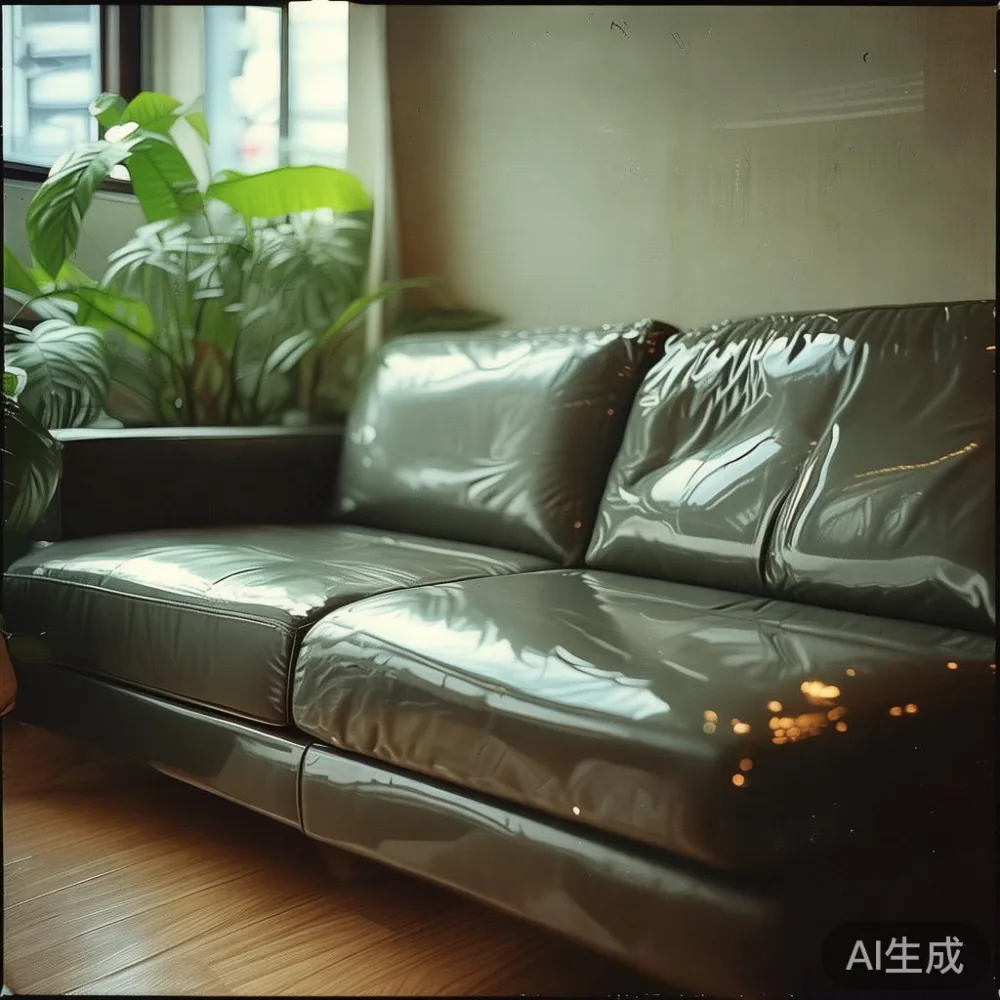
This guide focuses on lacquered sofa beds, including models with a solid wood sofa frame, integrated bed frame, or upholstered sleeping surface. It does not treat the lacquer like a disposable coating. Lacquer can remain attractive for years when handled correctly, but standing water, abrasive pads, harsh cleaners, and neglected hinges can shorten its life.
What makes lacquer different from ordinary wood care?
Lacquer is a cured surface layer applied over a prepared timber or engineered wood panel. It is not the same as the oil finish used on many solid wood dining tables. A sealed surface may resist a spilled cup more effectively, yet it can still respond to heat, alcohol, ammonia, and repeated moisture. Fine scratches may also be more visible on a dark, high-gloss face than on a natural-grain surface.
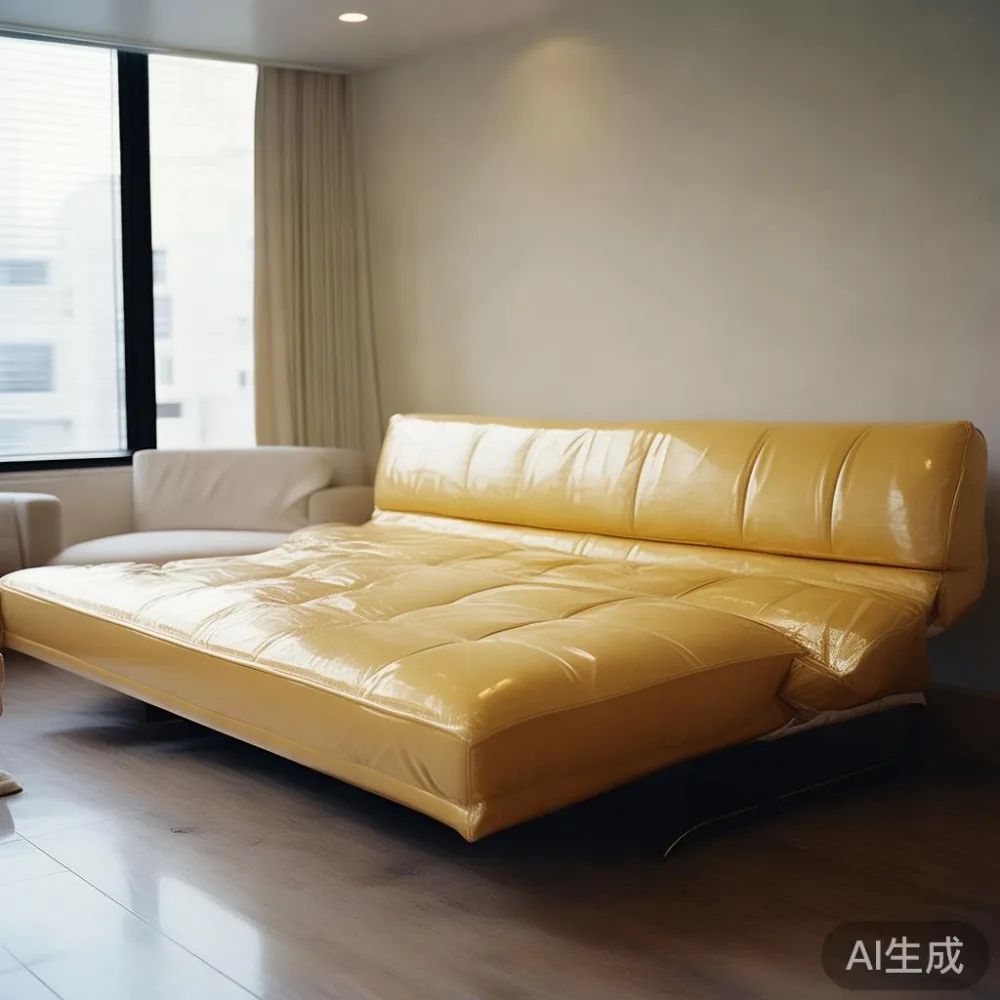
Ask the supplier for the exact finish specification before using any product. A water-based lacquer, polyurethane clear coat, conversion varnish, and hand-rubbed oil each require different care. If the documentation only says “lacquered,” avoid solvent cleaners until the maker confirms the formulation.
For comparison, a European bed vs Italian light luxury bed may share refined profiles while using different finishes, and a European light luxury TV console may use a related lacquer vocabulary without sharing the same maintenance instructions. Likewise, a MIDHILL French provincial wardrobe needs its own care sheet; its gently shaped doors and coated surfaces should not receive the same treatment as an uncoated oak nightstand.
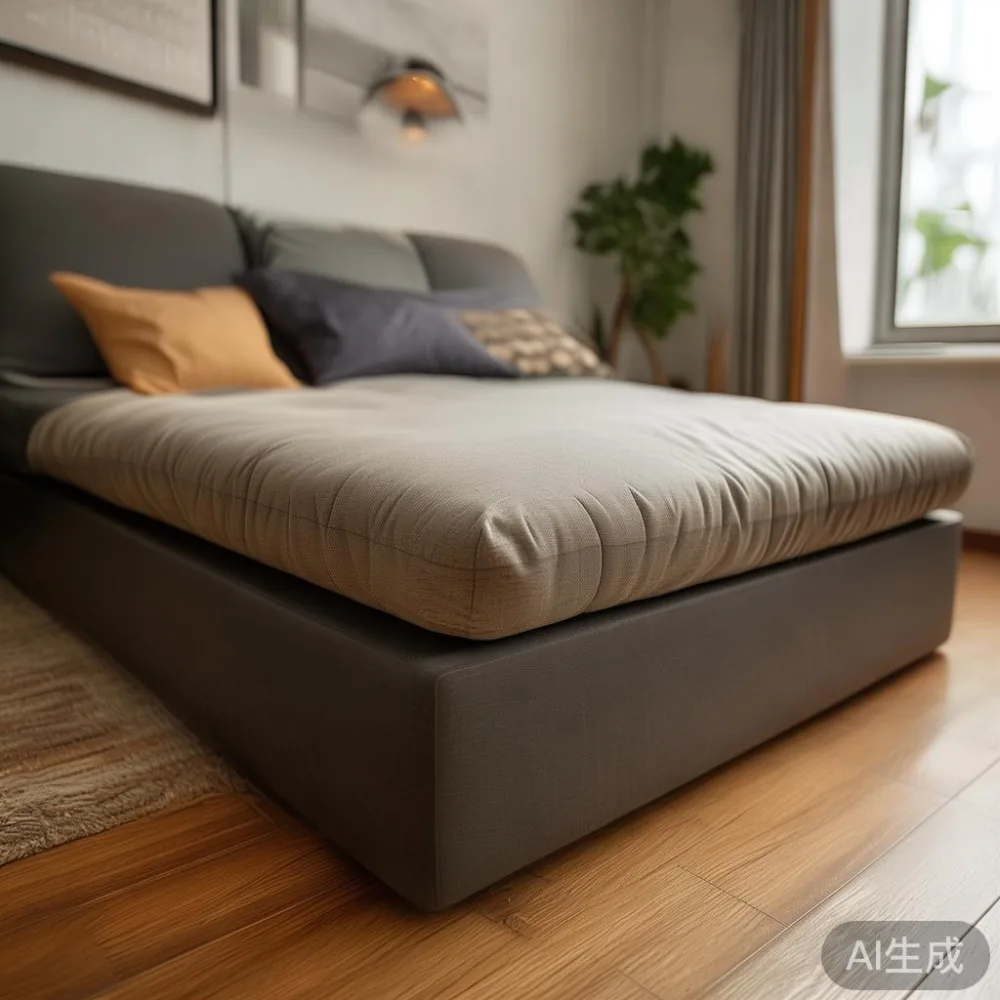
Positioning also matters. French provincial furniture often communicates craft and ornament, while American light luxury tends toward clean lines and restrained materials. Post-modern light luxury can combine a traditional silhouette with a glossy plane. Whatever the label, the lacquer is a thin, visible surface and deserves conservative treatment.
How do you prepare a new lacquered sofa bed for daily use?
Begin by removing the sofa bed from its packaging in a dry, ventilated room. Keep it away from direct air-conditioner outlets for at least 24 hours, because a sudden temperature change can create condensation. Set the unit on level feet and check that the front rail, seat supports, and back panels sit evenly. A bed frame that rocks by more than 3 mm should be adjusted before adding weight.
Measure the route from the delivery entrance to the final room. A standard HDB lift door may be about 900 mm wide, while a condo service lift can be narrower in some buildings. The sofa bed should turn through corridors with at least 15 cm of clearance on each side where possible. Check stair corners, ceiling height, and the swing of the lift door before dispatch. MIDHILL can coordinate practical delivery details for Singapore orders, with delivery normally taking 7–14 days after production and confirmation.
Place the sofa bed at least 30 cm from an open window and 60 cm from a bathroom doorway. Use a moisture meter if available; indoor relative humidity around 40–70% is generally more comfortable than a persistently damp environment. In Singapore, a dehumidifier may be useful in a compact flat, but target the room rather than blowing air directly at the lacquer.
What is the safest daily cleaning routine?
Dust with a dry microfibre cloth first. For most marks, lightly dampen a fresh cloth with plain water, wring it until no droplets fall, and wipe in the direction of the grain or along the panel. Then dry with a second cloth within 2 minutes. The cloth should feel barely damp, never wet. Test an inconspicuous area for 10 minutes before treating the full panel.
Use pH-neutral soap only when water alone is insufficient: dilute 5 ml of mild dishwashing liquid in 500 ml of water, dampen the cloth, and wipe once. Avoid furniture sprays, alcohol, bleach, ammonia, vinegar, cream cleanser, and abrasive powder. Do not use magic erasers, steel wool, scouring pads, or rough cotton. A Singaporean’s everyday sunscreen or hand sanitiser can leave oily marks that may require several gentle passes rather than aggressive scrubbing.
For spills, act within 30 seconds. Lift solids with a dry cloth, blot liquids rather than rubbing, and then remove the residue with the damp-cloth method. Ring-shaped marks should not be spread toward the centre. If a dark drink or red wine touches the surface, absorb it promptly and seek finish-specific advice if the mark remains.
How should humidity, sunlight, and heat be managed?
Tropical heat does not automatically ruin lacquer, but rapid moisture cycling can affect coatings, joints, and hardware. Keep the sofa bed away from west-facing windows during the afternoon, especially between 2 p.m. and 5 p.m. UV-filtering curtains can reduce exposure while retaining daylight. If the room is usually above 80% relative humidity, run a dehumidifier or air conditioner rather than relying on the lacquer to resist the moisture.
Allow ventilation after cooking or bathing. Close bathroom doors, use an exhaust fan for at least 15 minutes, and avoid placing damp laundry directly beside the bed frame. Inspect the underside every 3 months for mould, insect activity, or swollen panels. Wipe any condensation from the lacquer immediately, then dry the surrounding area.
Maintain a small temperature difference between the room and outdoor air. A sudden change of 8°C or more can promote condensation on cold panels, so avoid cooling an overly warm flat from 31°C directly to 22°C. The finish will tolerate ordinary air-conditioning, but steady conditions are easier on both the lacquer and the solid wood components.
How do you protect the lacquer from scratches and pressure?
Use coasters and felt pads even when a drink is unlikely to spill. A 10 cm coaster is suitable for a typical mug, while a larger tray is better for vases and food containers. Do not place hot pans directly on a lacquered surface; a cup of tea at 60°C should still be kept on a coaster. Avoid radiators, kettles, and styling objects that create localised heat.
When folding or unfolding the sofa bed, lift by the frame rather than pulling the lacquered arms. Remove rings, belts, and hard watch straps from the area first. If pets use the sofa, fit a washable cover and keep claws away from the front rail. For children, use felt corner guards on exposed edges and discourage marker pens from contacting the finish.
Small superficial marks may be reduced with a clean, soft cloth and a finish-approved treatment, but sanding should be a specialist task. Deep scratches, lifting lacquer, blistering, or a dull patch that does not disappear after cleaning require assessment rather than household remedies.
How often should the mechanism and finish be inspected?
Check the mechanism every 6 months. Unlock the sofa bed, remove cushions, and inspect the hinge pins, springs, support bars, and locking catches. Tighten loose screws only to the tension specified by the manufacturer. Apply a tiny amount of silicone lubricant to moving joints if required; keep oil and grease away from the lacquer and upholstery.
Look for warning signs: a 5 mm gap in the bed platform, a hinge that catches after one fold cycle, a support bar that creaks 3 or more times, or a locking pin that no longer engages. Stop using the folding function until the issue is corrected. A 10-year structural warranty can support confidence in the frame, yet normal maintenance remains part of responsible ownership.
Clean the lacquer every 1–2 weeks in a high-use room and every 4 weeks in a drier, less trafficked area. Inspect it monthly for dull patches, fine scratches, bubbling, or edge lifting. MIDHILL offers lifetime refinishing on qualifying pieces, subject to the applicable service terms, which can be useful when wear appears around a high-contact arm or front rail.
Can scratches and dull patches be repaired without replacing the whole finish?
Minor marks often become less noticeable after careful cleaning, but treatment depends on the coating. Never test a solvent on a visible panel. Photograph the mark under daylight, note its approximate size in millimetres, and contact the furniture maker with the finish name and a close image. For a small scratch of less than 20 mm, a specialist may be able to blend or recoat the affected zone. Larger damage may require a panel or section replacement.
A dull surface can sometimes result from residue rather than abrasion. Complete one full cycle of the damp-cloth method and allow 30 minutes for the area to dry. If it remains cloudy, resist applying polish. Some polishes contain silicone, wax, or solvents that create a temporary shine but can interfere with future refinishing.
For a broader furniture project, the same discipline applies. A solid wood dining table should have coasters and stable humidity; a marble table needs pH-neutral cleaning because acids can etch the stone; and a wardrobe should be inspected around runners and hinges. These are different products with different risks, even if they share a coordinated light-luxury home.
What should a Singapore buyer ask before ordering?
Ask whether “lacquered” means a film finish over veneer, solid timber, or lacquer applied to an engineered panel. Request a finish-care guide, available replacement panels, expected warranty scope, and instructions for the folding mechanism. Confirm the final packed dimensions before delivery, especially for a sofa bed that must pass through a 900 mm lift opening and along a corridor around 1.2 m wide.
Buyers comparing styles may also explore how to style American bed in room layouts, including where a lacquered sofa bed can sit without blocking a walkway. A search for the best Rustic sofa for 2026 may turn up oak, woven textures, and matte finishes, many of which tolerate handling differently from lacquer. The useful comparison is not appearance alone but maintenance demands.
For trade enquiries, wholesale French provincial furniture can include lacquered case pieces, although showroom finishes may not suit every tropical installation. Specify humidity levels, coastal exposure, and cleaning habits before approving a finish. Orders over US$350 qualify for free shipping under MIDHILL’s stated delivery policy, while local orders, GST, and return arrangements should be confirmed at checkout. Singapore customers also benefit from a 14-day return window, subject to the published conditions.
Can a lacquered sofa bed remain elegant in a compact HDB or condo?
Yes, if the finish is treated as part of the room’s climate-control plan. Keep liquids off it, control humidity, use soft pads, and separate the sofa bed from damp walls and aggressive sunlight. The result can be a polished focal point with the lightness associated with French light luxury, the visual restraint of American light luxury, or the deliberate contrast of post-modern light luxury.
For a Tampines flat, protect the piece from kitchen steam and inspect it after monsoon periods. In Bedok, salt in outdoor air can settle on surfaces near open windows, so wipe the lacquer gently more often. In a Punggol condo with large glazing, manage afternoon glare and watch the gap between the sofa bed and exterior walls. Good care takes about 10 minutes each week, plus a 20-minute inspection every 6 months. That small routine preserves the sheen, supports the moving mechanism, and keeps a frequently used sofa bed presentable for many years.