Beyond the Surface: The True 5-Year Cost of Veneer vs Solid Wood Sofa-Beds in Singapore
Living in a Singapore HDB flat or condominium presents a unique set of challenges, especially for furnishing compact spaces. The standard layouts in popular estates like Tampines, Bedok, and Punggol, with their specific lift dimensions (typically 110cm x 210cm) and corridor widths (often 1.2m to 1.5m), demand furniture that is both functional and space-efficient. The sofa-bed, a cornerstone of multi-functional living, is a prime example of a piece that must perform double duty. However, the decision extends beyond just function; it digs into the material choice, which has profound implications for longevity, aesthetics, and, most importantly, your wallet over time. This article provides a detailed 5-year cost comparison between veneer and solid wood sofa-beds, grounded in the realities of Singaporean living, humidity, and the value of long-term investment.

Understanding the Materials: Veneer and Solid Wood in a Local Context
In the busy Singapore furniture market, the terms 'veneer' and 'solid wood' are often used, but their practical implications for a homeowner are not always clear. Understanding the fundamental difference is the first step towards making an informed decision.
A veneer sofa-bed is constructed with a thin layer of real wood, often no thicker than 1-2mm, applied over a core substrate. This core is typically a composite material like Medium-Density Fibreboard (MDF) or particleboard. The process involves gluing this veneer sheet onto the core and finishing it with a protective laminate. The result can be a product that mimics the look of solid wood at a fraction of the initial cost. A solid wood sofa-bed, on the other hand, is crafted from solid, planks of lumber like oak, rubberwood, or teak. The frame, the visible legs, and the structural components are all made from these solid pieces of wood. This method of construction, practiced by makers like MIDHILL, prioritizes natural grain, inherent strength, and longevity.
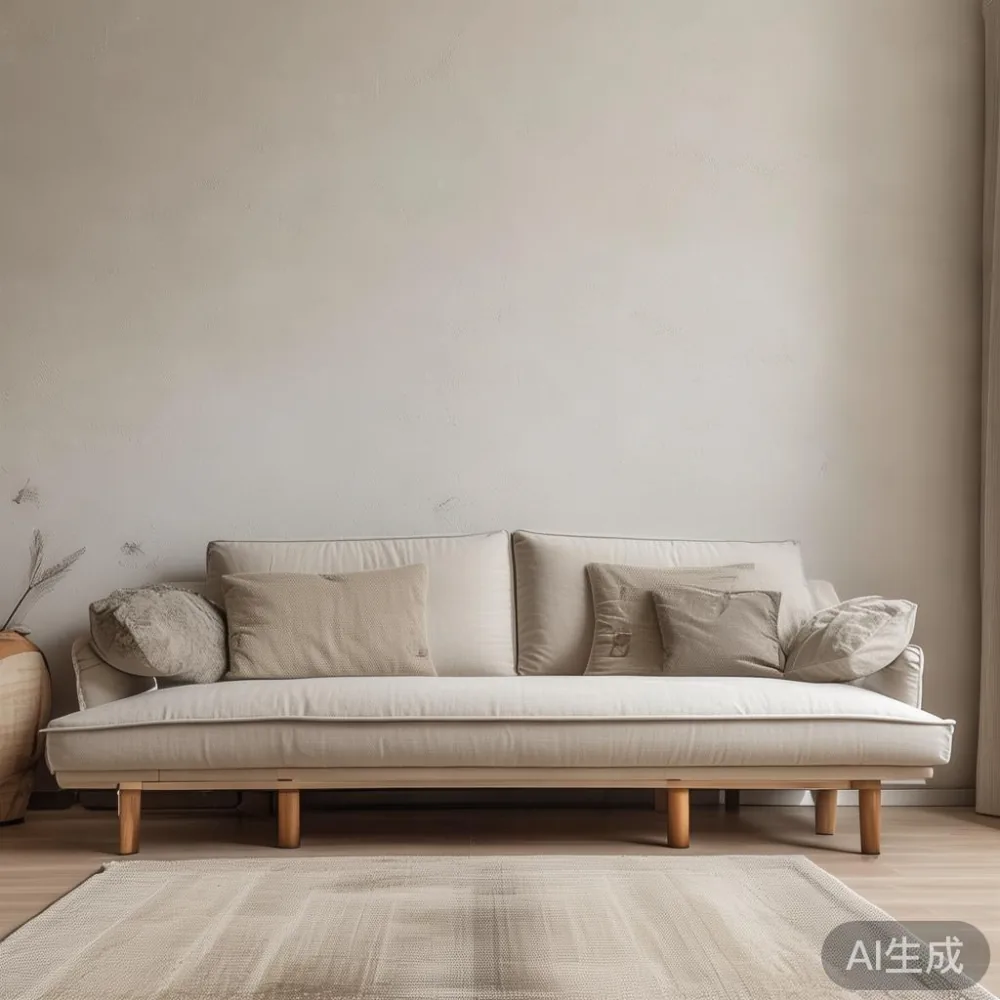
My colleague, Sarah, a senior designer at a local furniture retailer, recently visited a client's new apartment in Tampines. The client had purchased a veneer sofa-bed from a popular online marketplace. Sarah noted that while the piece looked elegant in the showroom photos, upon close inspection in the client's living room, the tell-tale signs of veneer construction were apparent. The edges of the armrests showed a thin line of dark MDF core, and the surface lacked the depth and tactile warmth of solid wood. This real-world observation highlights a key point: the initial aesthetic appeal can sometimes mask the underlying material quality, a distinction that becomes more apparent over time in a Singaporean home.
The Upfront Investment: Initial Purchase Prices in SGD
The most immediate difference between veneer and solid wood sofa-beds is the initial purchase price. In Singapore, where cost is a significant factor for many homeowners, veneer options are often marketed as the budget-friendly choice. The price difference is substantial and reflects the raw material costs and labour involved in construction.
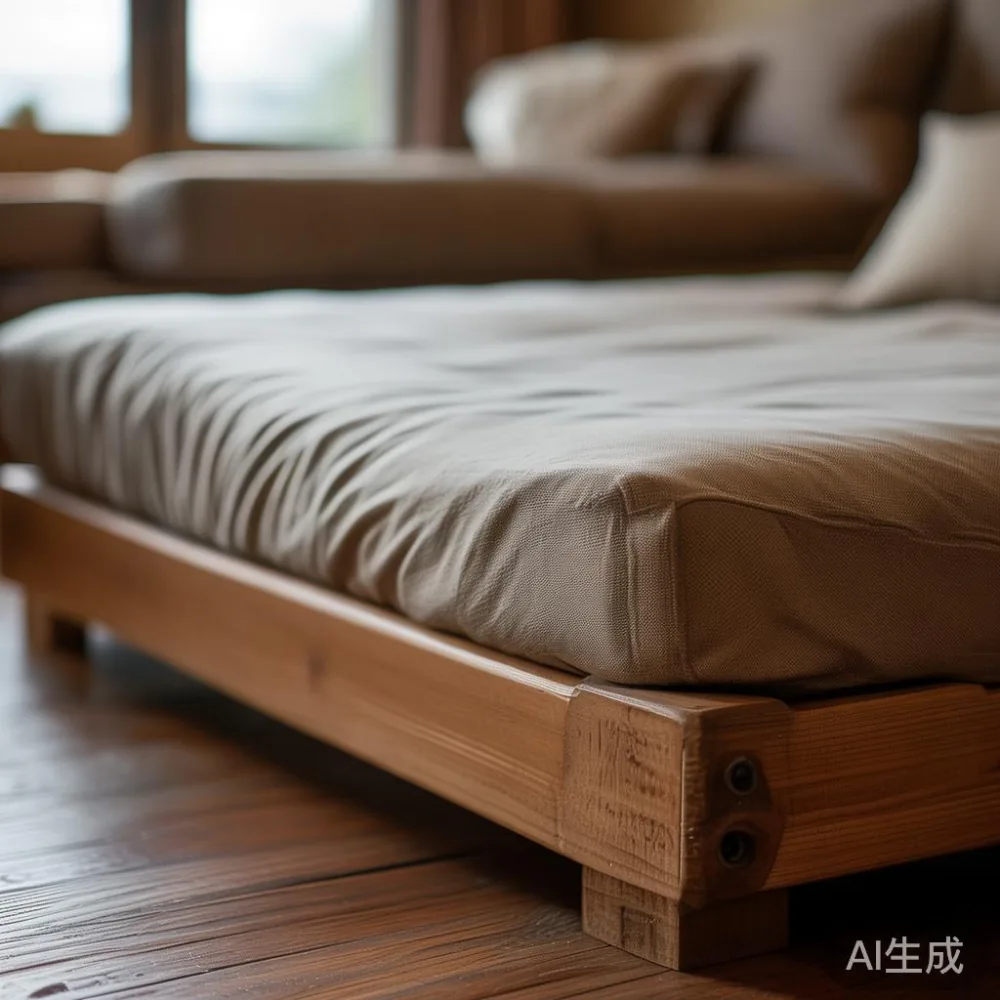
A standard, queen-sized (140cm x 200cm) fabric-covered veneer sofa-bed from a local or online retailer typically costs between SGD 800 and SGD 1,500. This price point often includes basic assembly and a standard 1-year warranty. For example, a popular model from a well-known Singaporean brand might be priced at SGD 990, featuring a sleek, minimalist design that appeals to condo dwellers. The cost is attractive, especially for young couples or first-time homeowners furnishing their first Bedok flat.
In contrast, a solid wood sofa-bed represents a significantly larger upfront investment. A queen-sized solid wood sofa-bed, using quality rubberwood or a similar durable hardwood, will generally start from SGD 2,500 and can exceed SGD 5,000 for premium designs with features like integrated storage or high-end upholstery. A French light luxury style solid wood sofa-bed, with its elegant curved lines and button-tufted upholstery, could easily be in the SGD 4,000 to SGD 6,000 range. The price is justified by the volume of solid wood used, the complexity of the joinery, and the higher quality of the materials, from the solid wood frame to the high-density foam cushions. This initial cost can be a deterrent, but it's important to view it as the beginning of a longer-term financial story.
Long-Term Durability: How Singapore's Climate Affects Your Sofa-Bed
Singapore's climate is perhaps the most significant factor influencing the longevity of furniture. The constant high humidity levels, averaging between 70% and 90%, can wreak havoc on poorly constructed furniture. This is where the true difference between veneer and solid wood becomes starkly apparent.
Veneer is susceptible to environmental changes. The thin layer of wood glued onto the MDF core can react to the humidity. Over time, the moisture can cause the veneer to expand and contract at a different rate than the core underneath. This leads to a common problem known as 'delamination,' where the veneer layer begins to lift, bubble, or peel away from the substrate. In a Punggol apartment, where sea breezes can carry even more salt and moisture, this process can be accelerated. A veneer sofa-bed that looks perfect in the showroom might start showing signs of peeling after just 18 to 24 months. The MDF core itself is also vulnerable; it can absorb moisture from the air, swell, lose its structural integrity, and crumble, leading to a sagging or collapsing sofa-bed frame.
Solid wood, on the other hand, possesses a natural resilience. While it too absorbs and releases moisture, solid wood's cellular structure allows it to 'breathe' and move without cracking or delaminating. A well-constructed solid wood sofa-bed frame will maintain its structural integrity for decades. The wood used in quality pieces, like those from MIDHILL, is often kiln-dried to a specific moisture content (around 8-10%), which minimizes its tendency to warp or crack in Singapore's humid conditions. The 10-year structural warranty offered by reputable makers is a proof of this confidence in the material's durability. After 5 years, a solid wood sofa-bed will not only look as good as new with proper care but will also feel as sturdy as the day it was purchased, unlike a veneer piece that may already be showing significant wear and tear.
Is a Veneer Sofa-Bed Really Cheaper Over 5 Years? The Hidden Costs
This is the most critical question for any homeowner considering a long-term investment. While the initial price tag of a veneer sofa-bed is lower, the hidden costs of maintenance, repair, and potential replacement can quickly erode that initial saving. Let's break down a realistic 5-year cost scenario for a typical Singaporean household.
Consider a veneer sofa-bed purchased for SGD 1,100. Year 1 might involve only minor costs, perhaps SGD 50 for a leather or wood polish kit to maintain the finish. By Year 2, as the humidity takes its toll, you might notice the veneer peeling at the corners. A professional repair service to fix this could cost SGD 200 to SGD 300 for a small touch-up, but it's often a temporary fix. By Year 3, the peeling could be more extensive, and the MDF core might be exposed. At this point, the sofa-bed becomes an eyesore. By Year 4, the structural problems might become apparent—the frame could feel loose, or the mechanism for converting it to a bed might fail. A full repair to make it structurally sound again could cost SGD 500 or more, approaching the price of a new, basic sofa-bed. By Year 5, most homeowners in this situation would opt to replace the entire piece. A new basic veneer sofa-bed would set them back another SGD 1,000. The total 5-year cost, including the initial purchase and repairs, would be approximately SGD 1,100 + SGD 50 + SGD 250 + SGD 500 + SGD 1,000 = SGD 2,900.
Now, let's look at the solid wood alternative. The initial investment is SGD 3,200 for a high-quality piece. Year 1 might involve a similar SGD 50 investment in a quality wood oil or polish to nourish the wood and protect it from the elements. Year 2 and Year 3 would likely require minimal to no maintenance costs, perhaps just a wipe-down with a damp cloth. By Year 4, a light reapplication of the wood polish might be needed, costing another SGD 50. By Year 5, the sofa-bed is still in excellent condition, structurally sound, and aesthetically pleasing. The total 5-year cost is SGD 3,200 + SGD 50 + SGD 50 = SGD 3,300. While the total is slightly higher, you still own a premium, durable piece of furniture that will last for another 10-15 years. The veneer owner, on the other hand, has gone through one sofa-bed and is looking at buying a second one.
What About Resale Value? The Forgotten Financial Factor
In Singapore's dynamic property market, where homeowners may move from an HDB flat to a condominium or upgrade their living space every 5-10 years, the resale value of furniture is an often-overlooked financial consideration.
A 5-year-old veneer sofa-bed has virtually no resale value. Its appearance is likely compromised, its structure is questionable, and no second-hand buyer would be willing to pay more than a few hundred dollars for it, if anything at all. It is typically discarded, adding to the household waste. When you factor in the loss of this residual value, the total cost of ownership for the veneer option increases further.
A 5-year-old solid wood sofa-bed, especially one from a reputable brand, holds its value remarkably well. Its timeless design and durable construction mean it can be sold for 40-50% of its original purchase price. For a piece that cost SGD 3,200, you could expect to recoup SGD 1,280 to SGD 1,600 when you move or redecorate. This significantly reduces the net cost of ownership. The effective 5-year cost of the solid wood sofa-bed is not SGD 3,300, but rather SGD 3,300 - SGD 1,400 (a conservative estimate) = SGD 1,900. This calculation dramatically shifts the financial advantage towards the solid wood option, making it not just a durable choice, but also a smarter financial one.
Aesthetics and Lifestyle: More Than Just a Number
Beyond the hard numbers, the choice between veneer and solid wood impacts the feel and quality of your living space. A home is a personal sanctuary, and the furniture within it contributes to the atmosphere.
Solid wood offers a sense of permanence and authenticity. The natural grain, the subtle variations in colour, and the tactile warmth of the material create a living space that feels more connected to nature. This aligns perfectly with the 'how to style Japandi bed in bedroom' philosophy, which emphasizes natural materials, clean lines, and a sense of calm. A solid wood sofa-bed can serve as a beautiful anchor in a living room, complementing a minimalist decor or adding a touch of rustic elegance to a modern condo. The American light luxury style, for instance, often features solid wood pieces with a rich, dark finish that adds a layer of sophisticated comfort to a space.
Veneer, while capable of mimicking wood, often lacks this depth. The surface can appear flat and uniform, and the synthetic nature of the material can feel less substantial. Over time, as it begins to show wear, it can detract from the aesthetic of the home. For those seeking a 'European light luxury for apartment' look, which often emphasizes clean forms and high-quality finishes, a solid wood sofa-bed provides a more authentic and enduring foundation. The investment in a piece like a MIDHILL wardrobe or a solid wood dining table is part of a cohesive design vision that values quality and longevity over fleeting trends.
Practical Considerations: Space, Delivery, and Warranty in Singapore
When making a large furniture purchase in Singapore, practical logistics are just as important as the product itself. This is where choosing the right manufacturer can make all the difference.
For residents in HDB estates like Tampines or Punggol, working through narrow corridors and small lifts is a reality. A sofa-bed is a large and bulky item. Reputable brands like MIDHILL understand this and provide detailed product dimensions. For example, their queen-sized sofa-bed measures 210cm in length, 95cm in width, and 85cm in height when in the sofa configuration. This information is important for ensuring the piece can fit through your door and into its designated spot. They also offer professional delivery services, with most orders over SGD 350 enjoying free shipping. Delivery typically takes 7-14 business days, which is a reasonable timeframe for custom-made solid wood furniture. The delivery team is usually experienced in working through Singapore's residential layouts, ensuring your new sofa-bed arrives without damage.
The warranty is another critical factor. A veneer sofa-bed might come with a 1-year warranty covering manufacturing defects. However, this warranty often excludes issues related to humidity, peeling, or wear and tear, which are the most common problems in Singapore. A 10-year structural warranty, like the one offered by MIDHILL, provides immense peace of mind. It covers the core frame and mechanism, assuring you that the piece is built to last. This long-term commitment is a hallmark of quality and is a key differentiator in the market. It also includes a lifetime refinishing service, meaning that if the surface ever becomes scratched or worn, it can be professionally restored to its original condition, further extending its life and preserving its value.
| Feature | Veneer Sofa-Bed | Solid Wood Sofa-Bed |
|---|---|---|
| Initial Cost (SGD) | SGD 800 - SGD 1,500 | SGD 2,500 - SGD 5,000+ |
| 5-Year Maintenance Cost (SGD) | SGD 300 - SGD 800 (repairs, touch-ups) | SGD 50 - SGD 100 (polishing) |
| 5-Year Replacement Probability | High (Likely to need replacement) | Low (Should last 10+ years) |
| Resale Value after 5 Years | Negligible (SGD 0 - SGD 200) | 40-50% of original price |
| Warranty | 1 Year (limited) | 10-Year Structural, Lifetime Refinishing |
How to Style a Solid Wood Sofa-Bed for Your Singapore Home
Choosing a solid wood sofa-bed is only the first step. Integrating it into your home's decor can improves the entire space. The versatility of solid wood allows it to fit into various design aesthetics popular in Singapore.
For a Japandi-inspired bedroom, where the 'how to style Japandi wardrobe in room' is a common query, a solid wood sofa-bed in a light oak or whitewashed finish is perfect. Pair it with linen or cotton upholstery in neutral tones like beige, grey, or soft green. Complement it with other natural elements: a jute rug, a few potted snake plants, and minimalist wooden side tables. The goal is to create a serene, uncluttered space that feels both modern and organic.
If you prefer a more luxurious feel, consider a 'Modern light luxury wardrobe' and a matching sofa-bed in a dark walnut or teak finish. The rich wood tones create a sense of warmth and opulence. Upholster the sofa in a high-performance fabric like velvet or bouclé in a deep jewel tone like emerald or sapphire. Add a marble coffee table with brushed brass legs to introduce a touch of glamour. This combination creates a sophisticated 'European light luxury for apartment' look that is both stylish and comfortable. The key is to balance the warmth of the wood with cooler, more luxurious materials like marble and metal.
Ultimately, the choice between veneer and solid wood is a choice between a short-term, disposable solution and a long-term investment in your home and your lifestyle. In a country like Singapore, where space is precious and quality matters, a solid wood sofa-bed offers a combination of durability, aesthetic value, and financial sense that veneer simply cannot match. It is a piece of furniture that will not only serve your needs today but will continue to be a beautiful and functional part of your home for decades to come.