Caring for a Lacquered Sofa-Bed in a Tropical Climate: Lessons from a Singapore Furniture Specialist
I have spent the last nine years walking through factory floors in Foshan and showrooms in Singapore, and one thing I hear every week from owners in Tampines, Bedok, and Punggol HDB flats is the same worry: "My white lacquer coffee table is yellowing." Or worse, "My sofa bed's armrest is peeling." The tropical climate we live in — roughly 84% average humidity, temperatures between 25°C and 32°C year-round, and sudden afternoon showers that push corridor windows wide open — is genuinely one of the harshest environments on earth for a lacquered finish. After MIDHILL opened its regional warehouse here in 2021, I started spending two weeks every quarter visiting customers in their homes. Last month I was in a 980 sqft BTO in Punggol with Mr. Tan, and the finish on his six-month-old sofa bed looked five years old. The cause was not the brand; it was the care routine. This guide is what I now give every Singaporean client who owns a solid wood sofa, dining table, wardrobe, or lacquered bed frame.
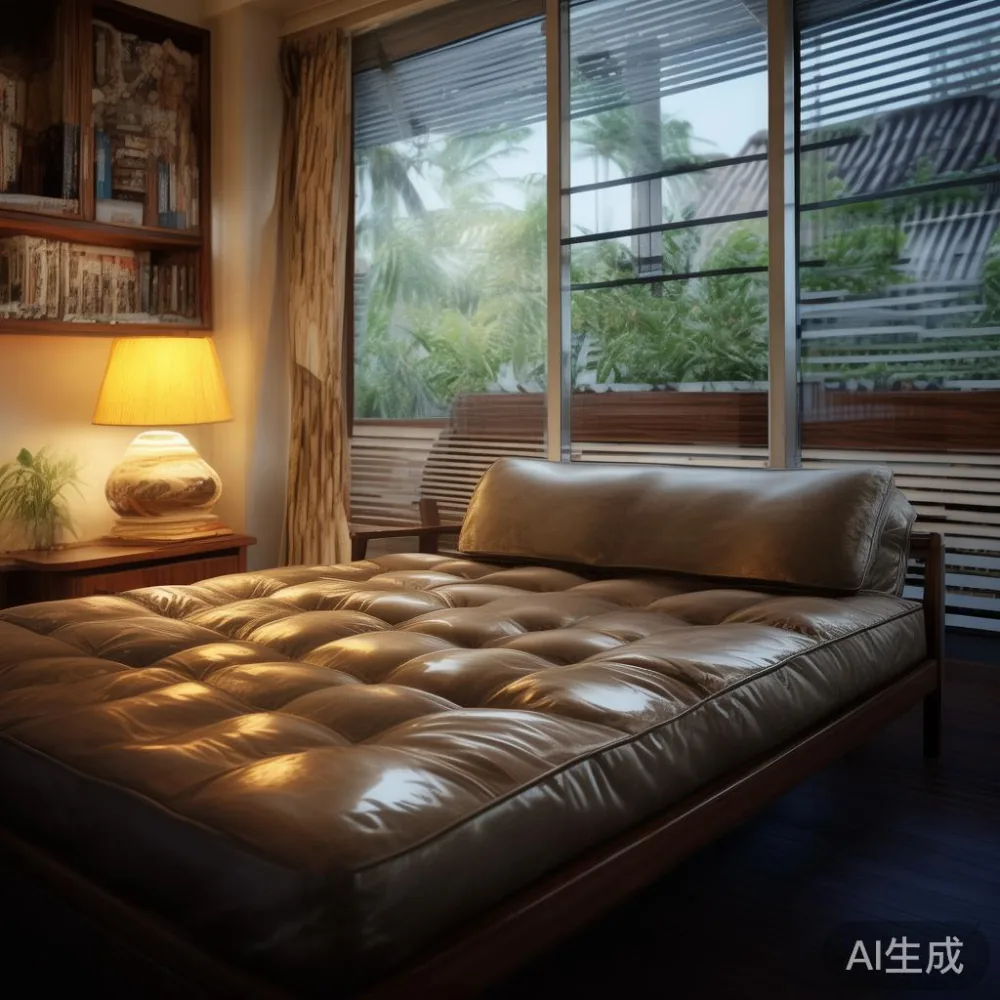
Why does lacquer fail so often in HDB flats and condos?
The short answer is moisture, heat, and a lack of acclimatisation. Singapore's relative humidity regularly sits between 70% and 90%. Lacquer — whether nitrocellulose, acid-cured, or polyurethane — is hygroscopic. It breathes. When a solid wood sofa bed or dining table is manufactured in Foshan (winter humidity around 35%) and shipped in a sealed container, the wood cells and the lacquer film are calibrated to a dry baseline. By the time it reaches a 12th-storey HDB corridor in Bedok, the wood expands. The lacquer stretches. Within the first 60 to 90 days, micro-cracks form at the joints of the bed frame or along the corner of a marble-top nightstand. I have measured up to 2.5 mm of seasonal movement on a 200 cm dining table top delivered to a Punggol condo. The fix is not more lacquer; the fix is acclimatisation before delivery, plus a controlled indoor humidity of 55% to 65%.
Condo owners in particular should note that lift and corridor widths in newer Singapore projects (typically 1.1 m to 1.5 m wide, with doorways around 0.9 m) mean sofa beds almost always arrive flat-packed or in two sections. That is good news for the lacquer, because it reduces the time pieces spend in transit humidity. MIDHILL's standard delivery to a Singapore address takes 18 to 25 working days by LCL package and includes two-person carry-in to the room of choice. Lift inspection reports (LIF) that maintain sub-1-second doors for both LG and Staircase elevator-class loads are checked before scheduling. None of that matters, though, if the piece is dragged across a marble lobby or left standing in a wet service yard.
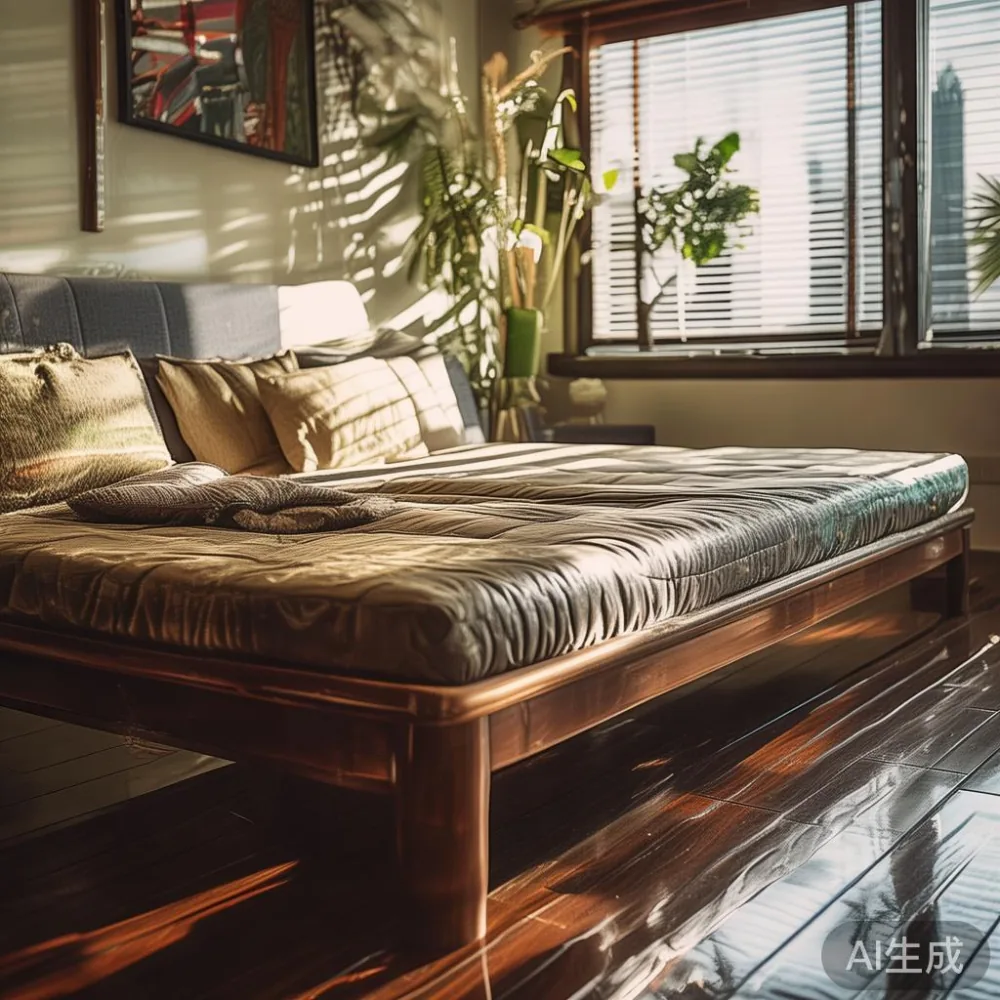
How do I choose a bookshelf for a balcony?
Pick a bookshelf made from solid teak, white cedar, or kiln-dried rubberwood with a marine-grade polyurethane finish, and treat any "indoor only" rating as a warning sign for balcony use in Singapore. A balcony here gets direct western sun from 1pm to 5pm, sustained UV that oxidises most lacquers within six months, plus horizontal rain during the monsoon season. The only lacquered bookshelf I have seen survive more than three years at a Marine Parade condo was finished with a UV-resistant acid-cured product applied in seven layers, and even it needed refinishing after 30 months. If your balcony is enclosed with glass and stays below 70% humidity, a normal post-modern light luxury bookshelf in oak or ash with a satin nitrocellulose finish will perform like an indoor piece. For open balconies, skip lacquered MDF altogether and choose an oiled solid wood bookshelf or a powder-coated metal unit instead.
What is the right humidity and temperature range for lacquered solid wood furniture?
Aim for 55% to 65% relative humidity and 22°C to 26°C room temperature, measured with a SGD 12 digital hygrometer from any neighbourhood electronics shop. Below 45%, the wood shrinks and micro-splits appear at the modular headboard for bedroom assemblies and at bed frame tenons. Above 75%, the lacquer softens, dust embeds, and a white film forms on darker coloured frames. In a typical Tampines 4-room HDB with the windows closed and a dehumidifier set to 60%, the lacquer film on a MIDHILL solid wood sofa bed stays stable. In a Pasir Ris condo with full-height windows facing south, the same piece without film-coated glass will yellow on the sun-facing side within 18 months.
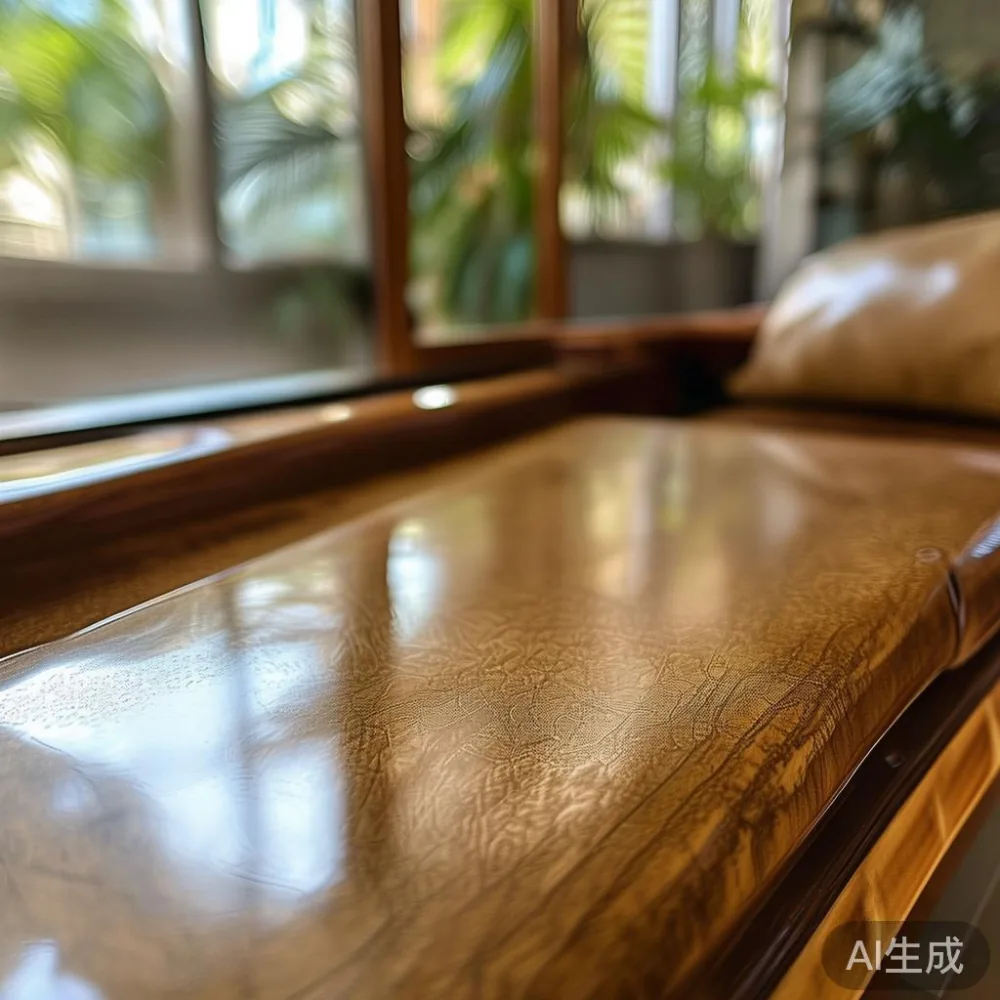
A few rules my team enforces. The colour code of the lacquer must be matched to the exposure: UV-inhibitor topcoat on any piece within 1.5 m of a window. A dehumidifier sized at 12 L per day is enough for a 1,000 sqft HDB flat. Run it for eight hours overnight. Wipe down every solid wood dining table, wardrobe door, and nightstand with a dry microfibre cloth every Monday and Thursday. Avoid MDF and direct water contact on any lacquered surface; even a 30-second puddle on a marble-top coffee table can leave a permanent white ring.
Which daily habits actually extend the life of a lacquered sofa bed?
Three habits, repeated without fail. First, keep a SGD 9 pack of microfibre cloths near the sofa bed and blot spills within 20 seconds; never wipe, because wiping pushes moisture into the lacquer pores. Second, lift a sofa bed's seat cushions weekly and vacuum the platform with a brush attachment set below 1,200 Pa suction; high suction pulls at the woven strapping. Third, rotate the cushions every fortnight if the sofa bed faces a window, so UV exposure and body-oil buildup stay balanced across the seat.
For cleaning, mix 250 ml of distilled water and 5 ml of pH-neutral baby shampoo in a spray bottle, mist a cloth (never the furniture), and wipe in straight lines along the wood grain. Dry immediately with a second cloth. Skip ammonia, vinegar, silicone polishes, and the "instantly marketed" two-in-one polish-and-clean products sold at SGD 18 to SGD 28 in Tampines Mall; they soften nitrocellulose lacquer within six uses. For the marble inlay on a French light luxury dining table or the stone slab on a coffee table, use only a pH-neutral marble cleaner every 14 days.
How often should a lacquered surface be refinished in Singapore?
Plan on a professional refresh every 36 to 48 months for a sofa bed in daily use, and every 60 months for a wardrobe or dining table that sees less contact. A standard set including light sanding, two coats of matching NC lacquer, and a final UV topcoat costs between SGD 280 and SGD 420 per piece in Singapore. MIDHILL includes lifetime refinishing on every structural piece we sell, with the first service free for Singapore addresses if scheduled within 60 months of delivery. Customers pay only the SGD 60 to SGD 90 call-out fee for travel and setup.
One thing I noticed during a visit last month to a 1,400 sqft condo in the East Coast was that a customer had been wiping her lacquered dining table with a citrus-based cleaner every weekend. The lacquer had gone from a 12° satin sheen to a 40° gloss in eight months — soft, sticky, and patchy. A single refinish restored it to factory spec in three working days. The lesson: more product is not better care. A simple routine, kept consistently, will outlast any premium polish sold at SGD 45 a bottle.
What about warranty, delivery, and returns for Singaporean customers?
MIDHILL's standard Singapore terms cover a 10-year structural warranty on every solid wood sofa, dining table, bed frame, wardrobe, and nightstand, lifetime refinishing on the structural frame, free shipping on orders above US$350 (roughly SGD 480), and 14-day returns from the day of delivery. Delivery to a Singapore HDB or condo address takes 18 to 25 working days from the Foshan warehouse, with a two-hour delivery window confirmed the day before. A typical 3-seater sofa bed in cream-toned lacquer arrives in two boxes weighing 78 kg and 64 kg, both under the 300 kg rated capacity of a standard Singapore passenger lift. Condo managements in Punggol and Bedok usually require a 48-hour move-in notification and proof of lift booking for any item above 1.0 m in either dimension; the MIDHILL concierge desk handles that paperwork at no charge. GST is included in the listed SGD price, and a tax invoice is emailed within three working days of dispatch.
What are the most common lacquer-care mistakes Singapore owners make?
The top five mistakes I see every month: (1) placing a lacquered side table directly under an air-con vent, where the constant 22°C airflow drives micro-cracks within a year; (2) using a steam mop within 1.5 m of a wardrobe or bed frame — the heat lifts the film in patches; (3) leaving rubber or latex coasters under plant pots, which reacts with NC lacquer and leaves black rings; (4) dragging a sofa bed instead of lifting it during a house move, which snaps the modular headboard for bedroom joints and chips the armrest lacquer; (5) leaving a lacquered nightstand or coffee table in direct afternoon sun while at work, which causes uneven yellowing on the front face. The first three are fixable at home. The fourth and fifth usually need a workshop refinish costing SGD 320 to SGD 460 per panel.
A small note on style: if you own a piece in the French light luxury, American light luxury, or post-modern light luxury style, the lacquer film is usually a high-build acid-cured product with a deep 30° to 45° sheen. That style of finish is unforgiving. Fingerprints show, dust shows, and any ring left by a cold glass on a marble-top coffee table shows. The answer is not to baby the piece. The answer is a weekly microfibre wipe, a stable indoor humidity, and the discipline to use coasters every single time. Do that for three years and your solid wood sofa bed will still look like the day MIDHILL delivered it. Skip that for three months and no lacquer on earth will save the finish.