Humidity Impact on Solid Wood Sofa Beds in Singapore
Singapore’s equatorial climate can keep relative humidity near 70–85% for much of the year, especially between May and October. In an HDB flat in Tampines, Bedok or Punggol, that moisture does not disappear when the air-conditioner is running: it can remain inside timber, upholstery and stored foam. The result is not dramatic damage overnight, but slow movement—grain lines opening slightly, drawer fronts rubbing, joints loosening and veneer work developing small edge lifts.
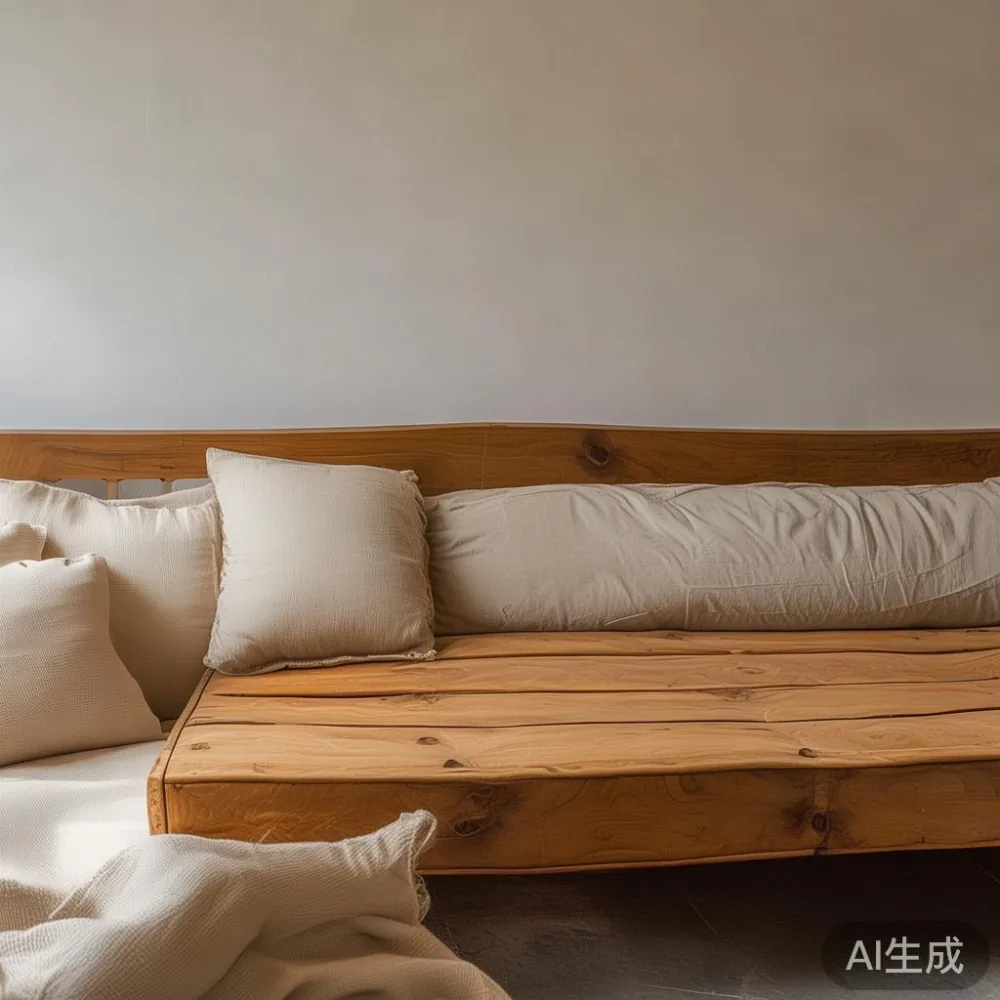
This guide explains how humidity affects solid wood furniture, with particular attention to solid wood sofa bed designs, bed frames, dining tables, wardrobes, nightstands and marble tables. It also considers narrow HDB corridors, compact lifts, 14-day returns and the cost of long-term care. MIDHILL builds solid wood furniture for export markets and applies a 10-year structural warranty, while its lifetime refinishing policy gives owners a path for restoring a piece years after purchase.
Why Singapore’s climate keeps wood active
Wood is hygroscopic: it absorbs water vapour until its moisture content approaches the surrounding air. Southeast Asian hardwoods differ from one another, but a typical indoor target of roughly 40–60% relative humidity limits unnecessary swelling and shrinkage. During a rainy afternoon, a Singapore room may sit at 82% RH; after air-conditioning brings it to 50% RH, the surface and internal moisture can change quickly.
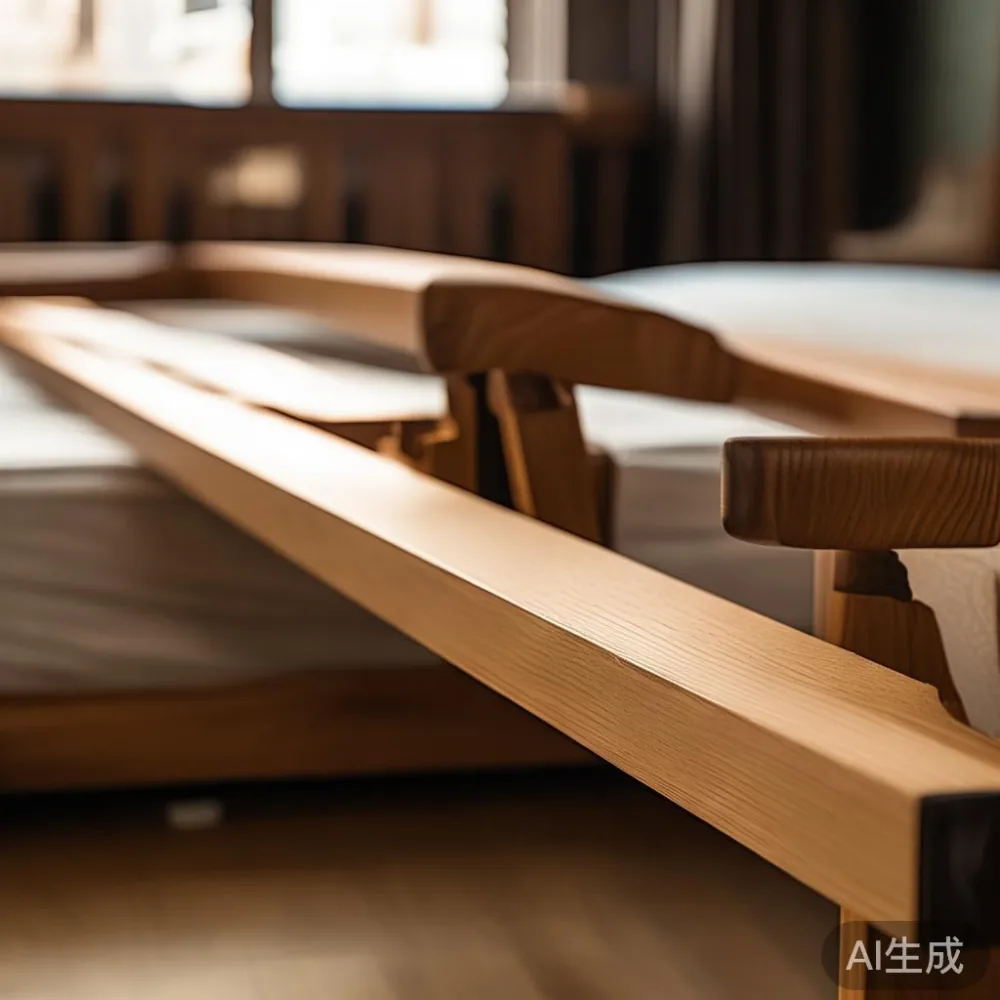
Solid wood usually responds more slowly than engineered board. A 20 mm dining table may take several weeks to settle fully, whereas a thin 12 mm panel may react faster. Movement of 1–3 mm across a door or drawer front can cause a tight contact point. Long grain lines may widen, and a lacquered surface can show a faint haze as moisture moves out of the substrate.
Temperature also matters. An outdoor corridor in Punggol can reach 33°C, while a west-facing condo bedroom near sunset may remain around 31°C. Warm air holds more moisture, so the real test is the combination of temperature and relative humidity, not humidity alone. A practical room should stay within a band of about 18–29°C and 40–65% RH.
Which sofa bed construction handles humidity best?
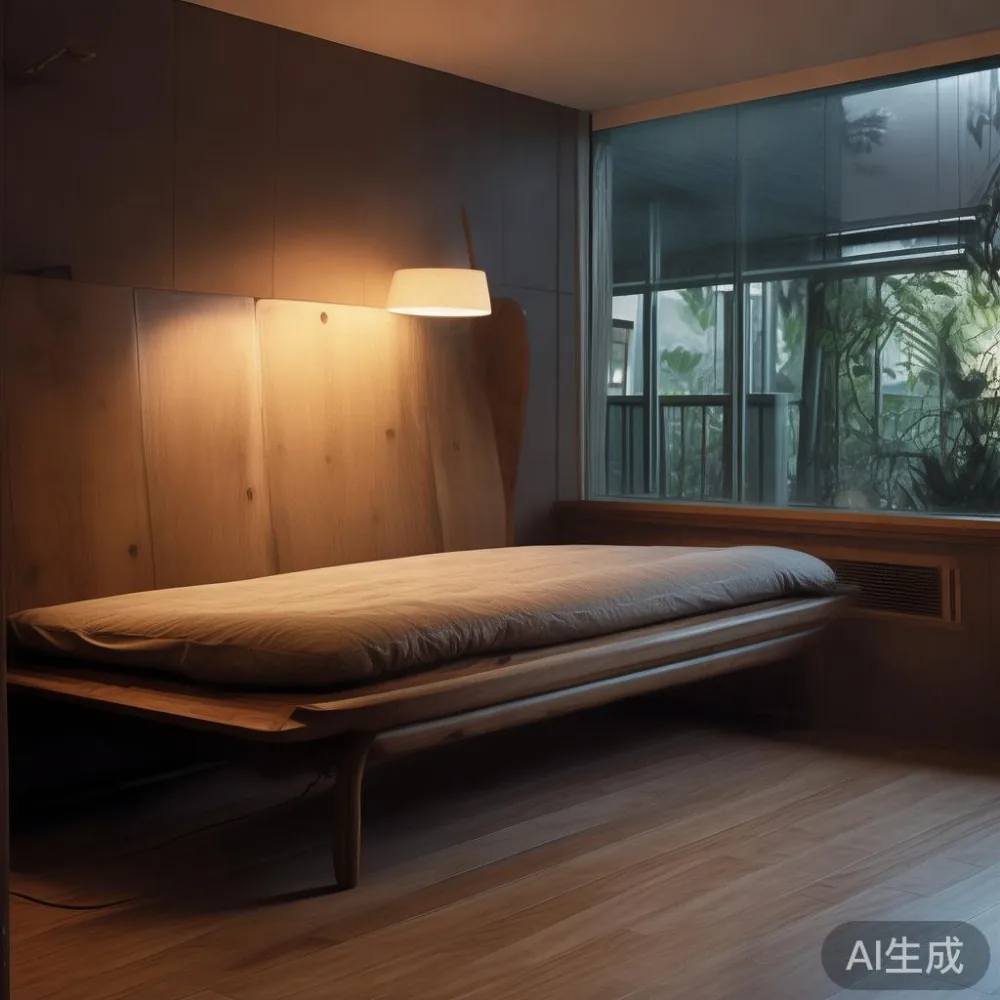
A solid wood sofa bed is a demanding product because it must support sitting during the day and sleeping at night. Its frame, slats, hinges, legs, storage cavity and upholstery all experience repeated load and moisture cycles. Look for kiln-dried hardwood or stable solid wood construction, a frame depth of at least 18 cm, and slats spaced no more than 10 cm apart. Those details affect load distribution more than the name of the finish alone.
Upholstery should be breathable and removable where possible. A sofa bed with a washable 100% cotton cover is easier to manage than one fixed permanently with dense foam. Keep its underside clear of the floor, leave at least 8–10 cm of ventilation space when practical, and avoid pushing the frame against a cold external wall.
For a compact HDB living room, measure the lift opening and turning radius before ordering. A typical lift door may be only 80–90 cm wide, and a corridor turn can require clearance around 110 cm. A boxed sofa bed should not exceed the lift’s diagonal and vertical limits; ask for the outer carton dimensions rather than the product dimensions alone. For larger pieces, an unboxed flat-pack arrangement can save several centimetres, though assembly may take 60–90 minutes.
In a showflat, buyers often use phrases such as Modern for guest room or Scandinavian for small living room. These styles work well in Singapore when the furniture has light colours, restrained profiles and sensible maintenance instructions. Avoid placing a sofa bed directly beside a window with afternoon rain exposure, and do not drape it with a thick cover that traps humidity.
Bed frames, wardrobes and dining tables: where movement appears
A solid wood bed frame can develop a light creak at night when the side rails, legs and centre support move at different rates. At 60% RH, timber may be stable; at 75% RH, a poorly sealed joint can become noisy. Check that bolts are seated, avoid over-tightening them, and leave the mattress-breathing gap recommended by the frame maker. A 3–5 cm gap helps ventilation and allows the mattress to dry after rain.
Wardrobes need airflow around their backs. Leave at least 5 cm behind a freestanding unit against a dry interior wall, and use moisture-resistant spacers if the wall is external. Hanging rails should not be forced against uneven panels; repeated pressure during humid weather can make doors bow. For a 200 cm tall wardrobe, level the supplied feet with a suitable shim rather than cutting a leg that was designed for a different floor.
Dining tables are often the first place people notice a moisture-related change. A 180 × 90 cm table may gain or lose a few millimetres in width, especially at a joint. Wipe water promptly, use coasters beneath glasses and bowls, and keep hot cookware off the timber. Refinishing every 2–4 years may be enough for a protected indoor table, while a table near an open balcony may need closer attention.
Nightstands can show damage sooner because drinks and damp towels are often placed on them. Use a coaster and avoid storing wet laundry in a closed drawer. Marble tables are less prone to dimensional movement, but the stone still needs care: wipe acidic liquids such as lemon juice within 10 minutes, use a neutral pH cleaner, and protect the base from standing water.
How humid air reaches an HDB or condo interior
In a Tampines HDB flat, the usual route is simple: wet weather enters the building, warm air rises through service corridors, and an interior door remains open while laundry dries. In a Bedok block, a newly painted room may also emit moisture for several days after handover. Punggol homes near greenery can experience short periods of dampness when heavy rain is followed by slower drying.
Measure rather than guess. A low-cost hygrometer placed at seated height should read the actual room condition; a cheap model with a ±3% RH margin is adequate for household monitoring. Check in the morning, during a wet afternoon and after air-conditioning has run for 2–3 hours. If the reading remains above 70% RH for more than 24 hours, improve drying rather than waiting for the timber to acclimatise indefinitely.
Run dehumidification in closed rooms, drain the tank every few days, and keep doors shut so that conditioned air is not immediately replaced by humid outside air. Air-conditioning alone can cool a room without removing enough moisture, especially during the first 20–30 minutes after switching on. A ceiling fan helps by moving air across surfaces, but it does not remove water vapour.
For condo interiors with marble flooring or extensive glass, use blinds during rain and avoid opening balcony doors when the outdoor RH is much higher than inside. Maintain 50–60 cm of clearance between furniture and external glazing where possible. These steps matter more than applying an expensive coating that has not been correctly selected.
What finish should I choose for solid wood furniture?
Water-based polyurethane or lacquer gives a clean protective film, but application quality and edge sealing matter. Ask the supplier for the coating specification, expected maintenance interval and repair process. Hard-wax oil leaves wood more tactile and can be spot-repaired; conversion varnish creates a harder film but may be less forgiving if moisture causes local movement.
Do not confuse a glossy appearance with complete moisture protection. A high-quality finish slows water uptake; it does not stop the wood from responding to the room. Clean with a lightly damp cloth, then dry it within 5 minutes. Avoid steam mops, silicone furniture sprays and oily polish on lacquered areas unless the maker approves them.
For customers comparing style references, the phrase luxury French provincial furniture describes curved profiles, pale finishes and ornamental details, while modern European light luxury furniture usually means quieter geometry, fine edges and restrained contrast. Neither style removes the need for stable joinery and moisture control. A dining table should still have sound foundations, and a wardrobe should still have supported doors.
A search for the best Coastal bed for 2026 should include humidity performance, not merely a trend label. Check the solid wood specification, guardrail spacing, sleeping surface, finish and delivery packing. For a child’s room, guardrail gaps should generally be below 75 mm, and the mattress should fit without creating an edge that can trap water.
How should MIDHILL furniture arrive safely?
Delivery planning is part of moisture protection. A polished timber frame can be scratched by a careless corridor turn, and moisture trapped inside a carton can lead to edge marks. Require outer dimensions, carton weight and the number of packages before choosing a delivery window. A 120 kg sofa bed may be split into several protected components, while a smaller nightstand could arrive as one carton.
MIDHILL has exported solid wood products to more than 15 countries since its establishment in 2008. That experience is relevant to Singapore orders because the maker understands packaging, handling and long-distance transport. Customers should still inspect visible packaging on arrival and photograph any impact marks within 24 hours.
Singapore orders over US$350 qualify for free shipping under the stated delivery policy. Local prices should be shown in SGD, including GST where applicable; a dining table listed at SGD 1,680, for example, should have its tax treatment made clear rather than left to the delivery message. Confirm whether the delivery appointment takes 1–2 days after the item leaves the warehouse, and allow an extra 2 days for a scheduled weekend delivery in some estates.
For returned pieces, MIDHILL provides a 14-day returns period under the applicable policy. Keep original protective wrapping and do not remove a finish or assemble a product in a way that makes its condition uncertain. If a sofa bed arrives with damp packaging, air it in a ventilated room before closing it in its storage cavity.
Can humidity damage a marble table or other polished surfaces?
Yes, although the mechanism is different. Marble absorbs very little water compared with wood, but acidic spills can etch calcium-based stone, and moisture around metal fittings can cause rust. Use a clean, soft cloth, a pH-neutral cleaner and a protective pad beneath decorative objects. A 10 cm overhang on a marble tabletop should be considered when chairs are placed nearby, because constant leg movement can mark the edge.
Humidity may also affect adhesives beneath a dining table or the veneer on a nightstand, even when the visible face appears solid. Inspect the underside annually and after heavy rain. Lift the piece only by designed handholds, not by a rail or tabletop edge. If a surface develops 1 mm of lifting, stop using the affected area and contact the maker for assessment.
A small moisture meter can help, but readings taken immediately after delivery are not a final verdict. Let timber acclimatise for around 7–14 days, especially if the piece has travelled from a cooler or drier climate. Keep it away from wet umbrellas, laundry racks and bathroom doors during that period.
What is a practical humidity-care routine?
Set a monthly reminder for the first year. Check the hygrometer, inspect joints, wipe any spills and make sure vents are clear. During monsoon periods, measure after a wet day; during dry air-conditioned weeks, avoid opening balcony doors unnecessarily. A room maintained between 45–65% RH and 20–28°C gives solid wood furniture a more predictable environment.
For a solid wood sofa bed, vacuum cushions every 1–2 weeks, rotate loose pillows and leave the storage area empty for a day after heavy rain. For a bed frame, inspect fasteners every 6 months. For a dining table, renew its surface protection after 2–4 years, depending on use and light exposure. Wardrobes and nightstands need airflow checks rather than constant chemical treatment.
I tested this approach last month in a compact Bedok unit where a sofa bed stood near the corridor wall. The room was 3.4 m wide, and the lift door measured 85 cm. After placing the hygrometer at 1.1 m above the floor, it read 76% RH before the air-conditioner started and 54% RH after about 25 minutes. The frame did not develop a new gap, and a drawer moved normally after a week of controlled ventilation. The test reinforced a simple point: stable moisture management matters more than chasing a particular finish name.
Can I restore a piece that has weathered in Singapore humidity?
Often, yes, but the repair depends on the symptom. Light dullness may need cleaning, an oiled finish may need re-oiling, and lacquer may require careful sanding and recoating. Deep splits, loose joints or mould around a cavity need professional inspection. Do not apply household wax over a damp surface; trapped moisture can produce a blotchy finish and reduce adhesion.
MIDHILL’s lifetime refinishing service is intended to support long-term ownership, subject to the terms of the service and the condition of the item. Photograph the furniture before moving it, retain proof of purchase and provide a clear description of the room conditions. If a solid wood sofa bed has been exposed to repeated dampness, the owner should mention the RH readings and the time the piece spent in the room.
For buyers comparing collections, terms such as top 10 French furniture can be useful only as broad search language. They do not replace dimensions, material details, delivery measurements or a clear warranty. The sensible choice is the piece that fits the building, suits the room’s humidity and can be maintained for 10 years or more—not the piece with the most attractive label.
Humidity in Southeast Asia does not make wood furniture unusable. It makes care measurable. Keep readings near 50–65% RH, control moisture at the source, protect finishes gently, check delivery clearances before purchase and plan refinishing instead of ignoring small movement. With the right preparation, a solid wood sofa bed, bed frame, dining table, wardrobe, nightstand or marble table can remain a comfortable, durable part of a Singapore home.