How to Read a Furniture Warranty Without Getting Caught Out
Buying a new sofa bed for your Singapore home is a significant investment. Whether you live in a compact HDB flat in Tampines, a spacious condo in Punggol, or a modern apartment in Bedok, the right piece can upgrade your living space. With the Goods and Services Tax (GST) factored in, a quality sofa bed from a reputable maker can easily cost several thousand Singapore dollars. That's why understanding the warranty that comes with your purchase is not just a formality; it's a critical step in protecting your investment. A warranty is your legal promise of quality, but its value lies entirely in how well you understand its terms.

What is a Furniture Warranty, Really?
At its core, a furniture warranty is a written guarantee from the manufacturer or seller that the product will be free from defects in materials and workmanship for a specified period. It's a commitment to the quality and durability of the item you are purchasing. Think of it as the manufacturer's promise that your sofa bed is built to last under normal use. For instance, a solid wood sofa bed should have a warranty that specifically covers the integrity of its wooden frame, ensuring it won't crack or warp under standard weight and conditions.
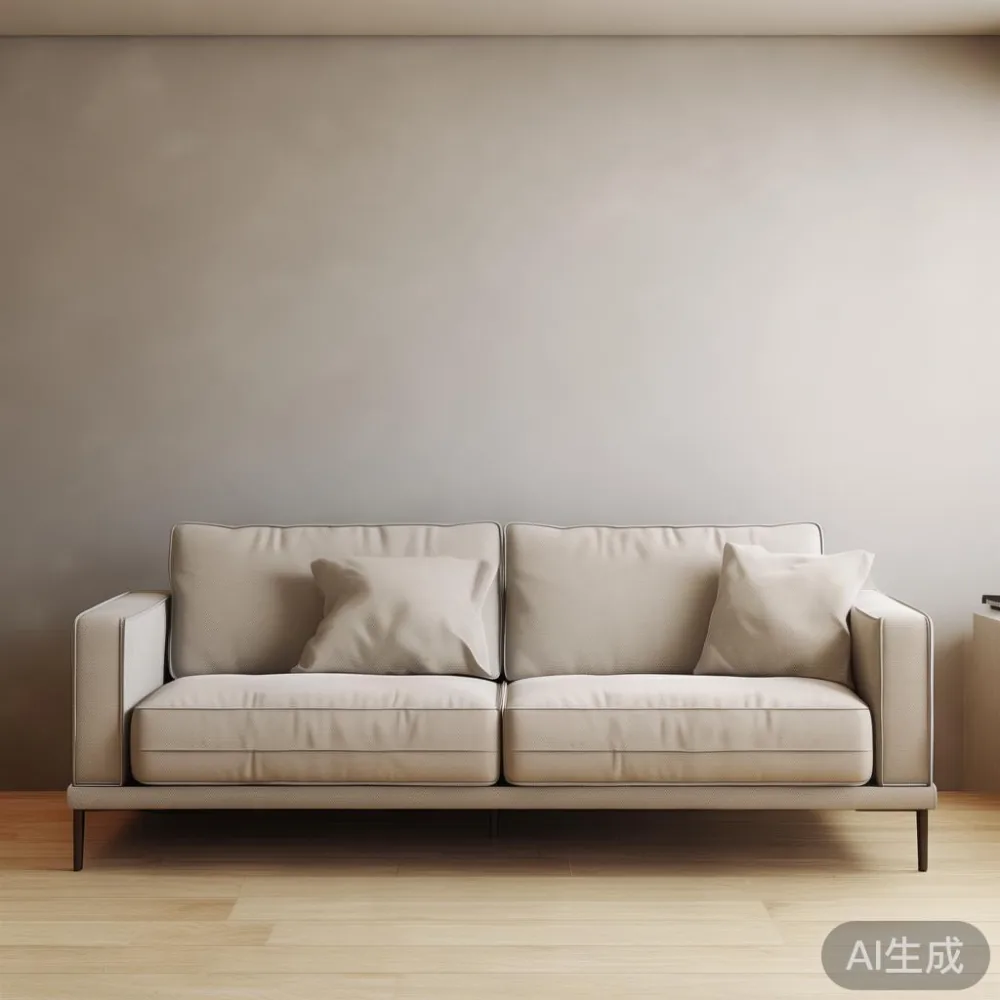
Warranties are not a blank cheque for a replacement. They are legally binding contracts with specific terms, conditions, and limitations. A warranty might cover a 10-year structural warranty for the frame but only a 1-year warranty for the fabric or the mechanical mechanism that converts the sofa into a bed. Understanding this distinction is key. A reputable company, one that has been exporting to 15+ countries since 2008, will often provide a comprehensive warranty that clearly separates these components. They understand that different parts of a product have different lifespans and failure rates.
In Singapore, where living spaces can be compact and multi-functional, the sofa bed is an incredibly popular piece. It serves as the primary seating area during the day and transforms into a bed for guests at night. This dual-purpose nature puts more stress on the frame and mechanism than a standard sofa. Therefore, the warranty on a sofa bed is arguably more important than on a single-function piece of furniture. It needs to be solid enough to handle the daily transformation from a seating surface to a sleeping platform.
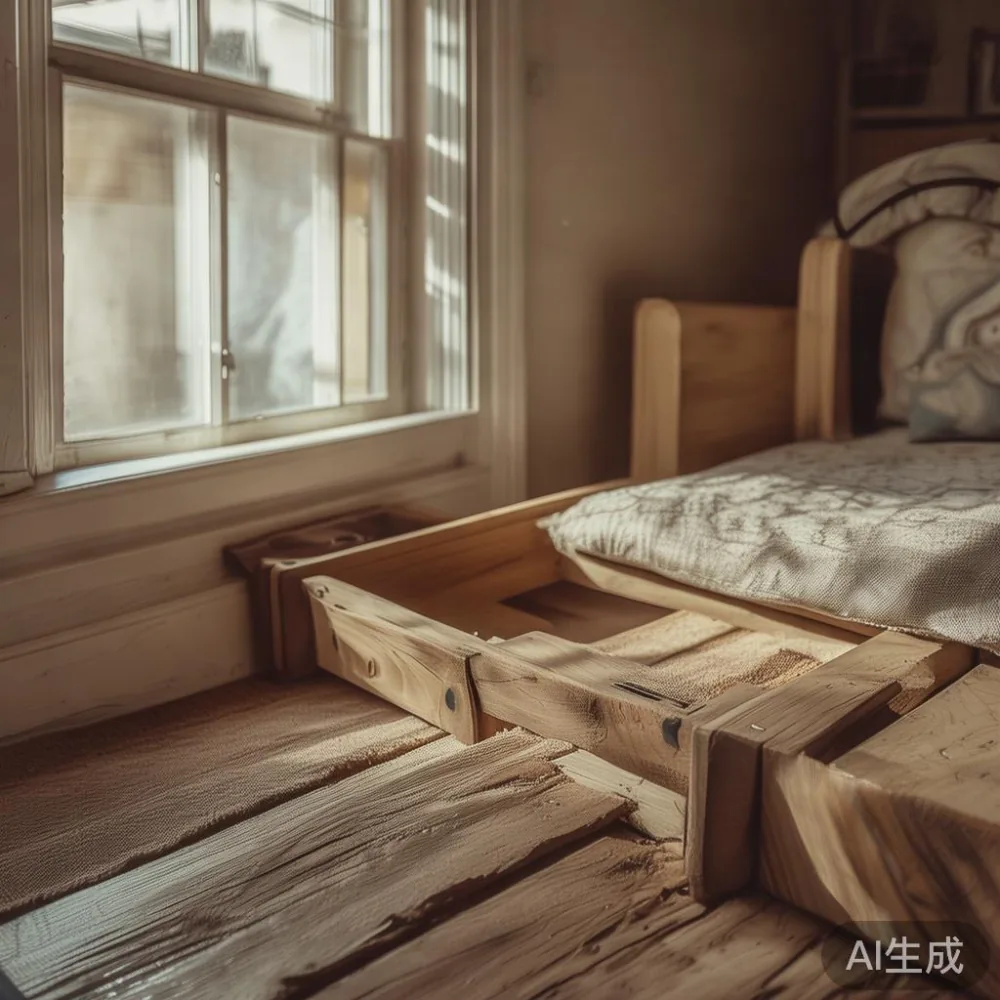
What Does a Typical Sofa Bed Warranty Actually Cover?
A well-structured warranty will be broken down into specific components of the sofa bed. You should expect to see separate coverage for the frame, the mechanical system, the cushions, and the upholstery. Let's break down what each of these usually entails.
1. The Frame and Structure: This is the backbone of your sofa bed. A solid wood frame is a hallmark of quality, and a good warranty will protect it. Look for a warranty that promises against defects in materials and workmanship. This means if a joint fails or a wooden slat cracks due to a manufacturing flaw, not because you jumped on it, the manufacturer should repair or replace it. A 10-year structural warranty is a strong indicator of confidence in the product's build quality. For example, a frame made from Foshan Lingzhan timber, known for its durability, might be highlighted in the warranty details.
2. The Mechanism: The part that turns your sofa into a bed is often the first thing to break. This includes the metal arms, the levers, and the sliding or folding system. A warranty for the mechanism should cover it for a substantial period, typically around 5 to 10 years. It should specify that it covers defects in the mechanism's function, such as it failing to lock securely or not opening and closing smoothly. If the mechanism breaks because a plastic component shatters, that should be covered. If it stops working because you overloaded it with too much weight, that might not be.
3. The Cushions and Mattress: Comfort is paramount. The warranty for cushions and the mattress inside the sofa bed will often be shorter than for the frame. This is because foam and other cushioning materials naturally compress and soften over time with use. A warranty might cover a 'dent' or 'sag' that exceeds a certain depth, for example, more than 5 cm, within the first 1-3 years. This indicates a manufacturing defect in the foam density, not normal softening. After that period, some level of settling is considered normal.
4. The Upholstery: This covers the fabric or leather on your sofa bed. Warranties for upholstery are often the most limited. They typically cover against defects like colour fading or fabric splitting at the seams for a period of 1-3 years. They will explicitly exclude damage from pets, snags from sharp objects, or stains from spills. For someone exploring is Italian light luxury sofa worth it, understanding the upholstery warranty is key, as the quality of the fabric is a major part of the value proposition.
What's Usually Not Covered? The Exclusions Clause
This is the section where many warranties get tricky. The exclusions clause lists all the situations and types of damage that are not covered by the warranty. Reading this section carefully is one of the most effective ways to avoid being caught out later. Here are the most common exclusions you will find.
Normal Wear and Tear: This is the most significant exclusion. No warranty covers the natural aging of a product. This includes the gradual softening of cushions, the minor fading of fabric from sunlight exposure, and the development of a patina on solid wood. For example, if you bought a post-modern light luxury sofa bed with a marble table top, the warranty won't cover the marble losing its shine over several years of cleaning. Wear and tear is expected and is not a defect.
Accidental Damage: This covers everything from spilling red wine on the fabric to a pet scratching the leather or a child drawing on it with a marker. If the damage is caused by an external event rather than a manufacturing flaw, it's not covered. This also includes damage from improper moving, such as scratching the wood frame when squeezing it through a narrow HDB corridor in Bedok.
Improper Use or Maintenance: This is a broad but important category. It includes using the sofa bed for purposes it wasn't designed for, such as standing on it or using it as a step ladder. It also covers failing to follow the manufacturer's care instructions. For instance, if the warranty specifies that the fabric should only be cleaned with a specific type of cleaner and you use a harsh chemical that damages it, the warranty will be voided. Improper assembly, if you did it yourself instead of using the provided service, is also a common exclusion.
Environmental Factors: Furniture is sensitive to its environment. Warranties will not cover damage caused by extreme humidity, which can cause wood to warp, or direct, prolonged sunlight, which can bleach fabrics. In Singapore's climate, proper placement away from direct sun exposure is important for maintaining the warranty's validity.
What About Delivery and Returns? The Hidden Parts of the Agreement
A furniture purchase agreement isn't just about the product and its warranty; it also includes the service surrounding it. Delivery and return policies can have a significant impact on your experience and cost, and they are often where companies can add hidden fees or make the process difficult.
Delivery: Look for specifics. How long will it take? A reputable company will give a clear timeframe, for example, '14-21 business days after order confirmation'. Does the price include delivery and assembly? For a sofa bed, professional assembly is highly recommended to ensure the mechanism is set up correctly. Some companies offer free shipping over a certain purchase amount, such as SGD 1,500, which can be a great value. Also, consider the practicalities. Will the delivery team be able to work through the lift in your condo or the narrow stairs in your HDB flat? Will they carry the sofa bed up to your 4th-floor unit in Tampines, or is 'curb-side delivery' all that's included?
Returns: This is a critical safety net. A good return policy allows you to change your mind if the product isn't right for your space. Look for a clear, no-questions-asked period for returns. A '14-day returns' policy is standard and gives you enough time to assess the sofa bed in your home. However, be aware of the conditions. Is the return free, or will you be charged a restocking fee? You will almost certainly be responsible for the cost of shipping the item back, which can be several hundred dollars for a large piece of furniture like a sofa bed. Also, the item must be in perfect, resaleable condition, in its original packaging.
My colleague recently shared a story that perfectly illustrates this. He ordered a large sofa bed online for his new condo in Punggol. He measured his living room but forgot to measure the width of his lift and the corridor to his apartment. The sofa bed arrived, but it was too wide to get through the door. He was stuck with a 2.5-metre-long, 90 kg sofa bed that he couldn't use. His return policy only allowed returns for 'defective' items, not for incorrect sizing. He ended up having to sell it at a significant loss. This is a mistake that a careful reading of the delivery and return terms could have helped him avoid.
Is a 10-Year Warranty Too Good to Be True? What to Look For
When you see a warranty that promises coverage for 10 years or even a lifetime, it's natural to be sceptical. These long warranties are a powerful marketing tool, but their value depends entirely on the fine print. A 10-year warranty on the frame sounds fantastic, but what does it actually mean?
The key is to look for the specific terms and conditions tied to that long coverage. A lifetime warranty on refinishing, for example, is common from high-end makers. This means they will provide the materials and instructions for you to refinish the solid wood frame yourself if it gets scratched over decades. It doesn't mean they will send a team to your home to do it for you. Similarly, a 10-year structural warranty is excellent, but it will be null and void if the sofa bed is exposed to excessive humidity, which can cause the wood to swell and crack.
When comparing warranties, don't just look at the number of years. Look at the specifics. A 5-year warranty that clearly covers the frame, mechanism, and cushions with few exclusions is often better than a 10-year warranty that only covers the frame and has a long list of exclusions for 'environmental factors' and 'improper use'.
Also, consider the reputation of the company. A company that has been established since 2008 and exports to 15+ countries has a proven track record. They have a reputation to uphold, which means they are more likely to honour their warranty claims. A fly-by-night operation with a 'lifetime' warranty might not be around in five years to honour it.
Ultimately, a warranty is a reflection of a company's confidence in its product. A comprehensive, clear, and fair warranty is a sign of quality. It shows that the manufacturer stands behind their work and is willing to support their customers. For a piece of furniture as important as a sofa bed in a Singaporean home, this confidence is something you should look for. It provides peace of mind, knowing that your investment is protected and that you can enjoy your new furniture for many years without worrying about unexpected costs or failures.
When you are next at a showroom, perhaps considering how to fit a Rustic for small living room or debating between a Japanese sofa vs French provincial sofa, take a few minutes to ask the salesperson about the warranty. Ask them to point out the coverage period for the frame, the mechanism, and the cushions. Ask them what the most common exclusions are. A good salesperson will be happy to explain it, confident in the quality of their product. This small act of due diligence can save you a world of frustration and expense in the long run.