Nurturing Lacquer: A Guide for Singapore Sofa Bed Owners
Singapore's tropical climate, with its year-round humidity and average temperatures hovering around 30°C, presents a unique set of challenges for furniture care. For owners of a beautiful lacquered solid wood sofa bed, this environment can feel like a constant test. The high moisture content in the air is the primary adversary of fine furniture finishes, potentially leading to cloudiness, stickiness, or even warping if not properly managed. This guide provides a comprehensive, practical approach to maintaining the pristine condition of your lacquered sofa bed, ensuring it remains a stunning centerpiece of your home for years to come.
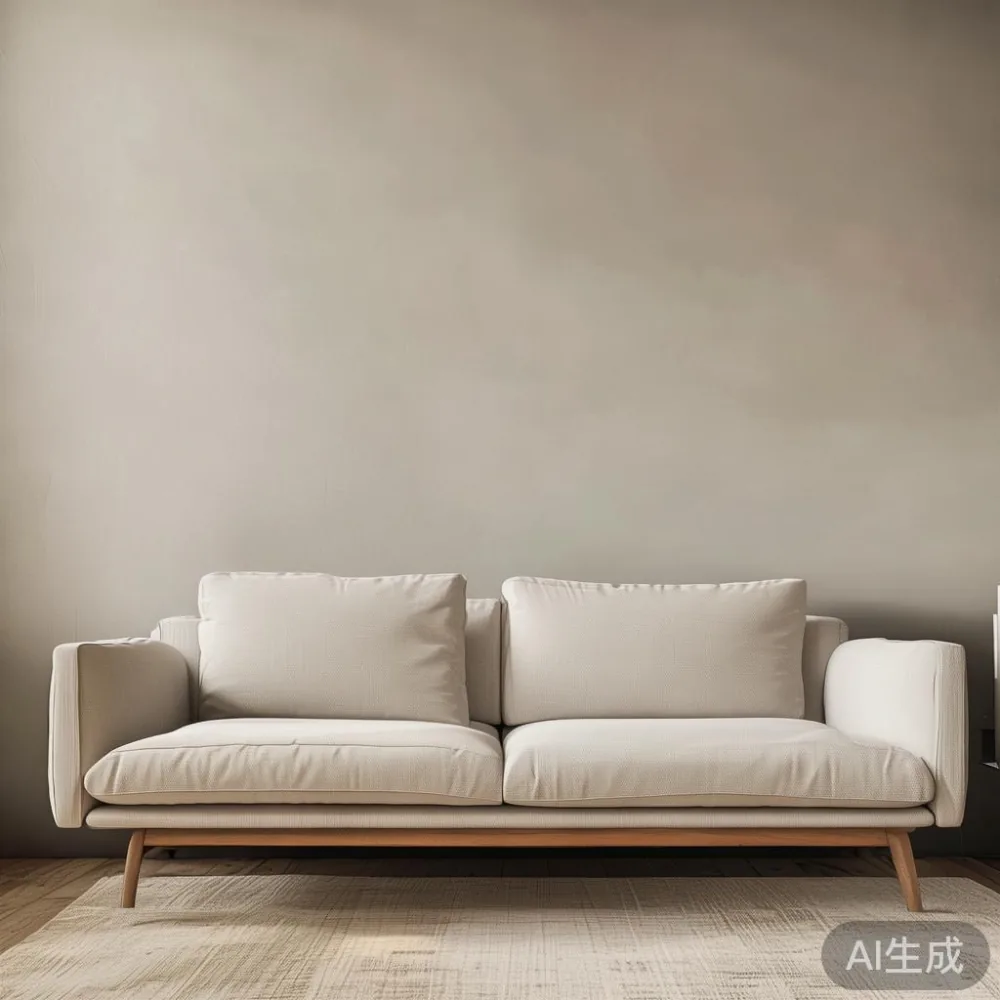
Understanding Your Lacquered Finish
Before we discuss care, it's important to understand what you're working with. A lacquered surface is not paint. It's a high-gloss, durable finish created by applying multiple thin layers of a clear, hard resin, typically nitrocellulose or acrylic, over the prepared wood. This process results in a deep, reflective sheen that highlights the natural grain of the wood. In the context of a solid wood sofa bed, this finish provides both aesthetic appeal and a protective barrier against daily wear and tear. However, this very barrier is what makes the finish susceptible to the specific environmental conditions found in Singapore, especially within the confined spaces of an HDB flat or condo in areas like Tampines or Bedok.
Why Humidity is the Enemy of Lacquer
The core issue with a tropical climate is humidity. Wood is a hygroscopic material, meaning it naturally absorbs and releases moisture from the surrounding air. In Singapore, where relative humidity often exceeds 80%, this constant exposure can cause several problems for a lacquered surface. The moisture can seep into the microscopic pores of the wood and get trapped under the lacquer layer. This trapped moisture can cause the finish to appear cloudy or white, a condition known as blushing. In more severe cases, the constant expansion and contraction of the wood can stress the lacquer, leading to tiny cracks or a tacky, sticky feeling on the surface. This is why proper placement and environmental control are the first lines of defense for your sofa bed.
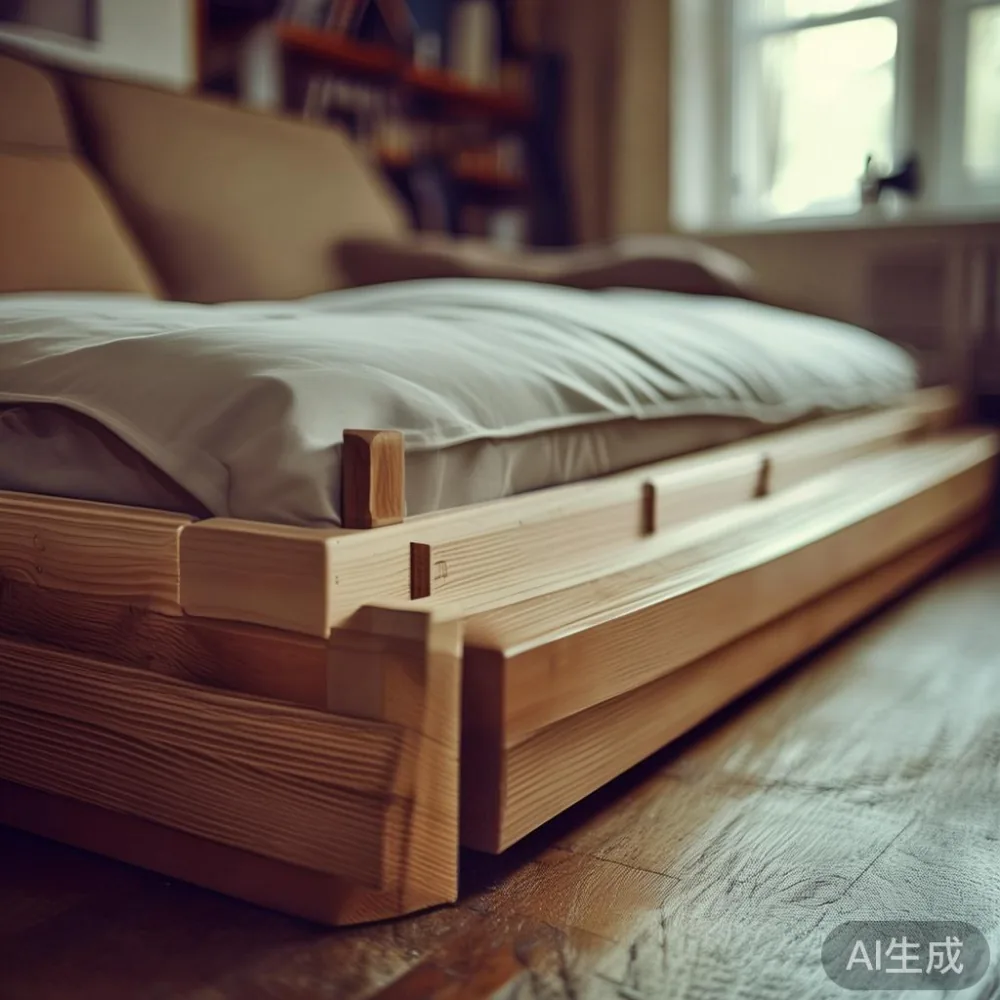
Where to Place Your Sofa Bed for Optimal Protection
The location of your sofa bed within your home can significantly impact its longevity. Avoid placing it in direct proximity to sources of moisture or extreme temperature fluctuations. This means keeping it at least 50 cm away from air-conditioning units, as the constant, cold blast can dry out the wood unevenly. Similarly, position it more than 1 meter away from windows that receive direct afternoon sun, which can cause the lacquer to fade over time. In a Singapore HDB flat, this might mean placing your sofa bed in the living room rather than the bedroom, which often has better ventilation. For those in condos like Punggol with large windows, using sheer curtains to diffuse direct sunlight is a simple yet effective solution. Avoid placing your sofa bed in damp areas like the bathroom or directly against an exterior wall, which can feel cold and damp. Ensuring good airflow around the furniture is key; a gap of at least 20 cm from the wall allows air to circulate, preventing moisture from becoming trapped.
Is it safe to use commercial furniture polish on my lacquered sofa bed?
This is a common question, and the answer is a firm no. Most commercial polishes, especially those containing silicone or wax, are detrimental to a lacquered finish. These products create a temporary shine but do so by coating the surface with a film. Over time, this film can build up, trapping dust and dirt and making the surface look dull and cloudy. More importantly, when you try to remove this film, you risk scratching or damaging the delicate lacquer. The best product for cleaning a lacquered surface is a soft, lint-free cloth dampened with a small amount of distilled water. For light dusting, a dry microfiber cloth is perfect. If you need a little more cleaning power, a solution of one part white vinegar to ten parts distilled water can be used sparingly on a cloth to tackle stubborn smudges, but always test it on an inconspicuous area first. Remember, less is more for moisture.
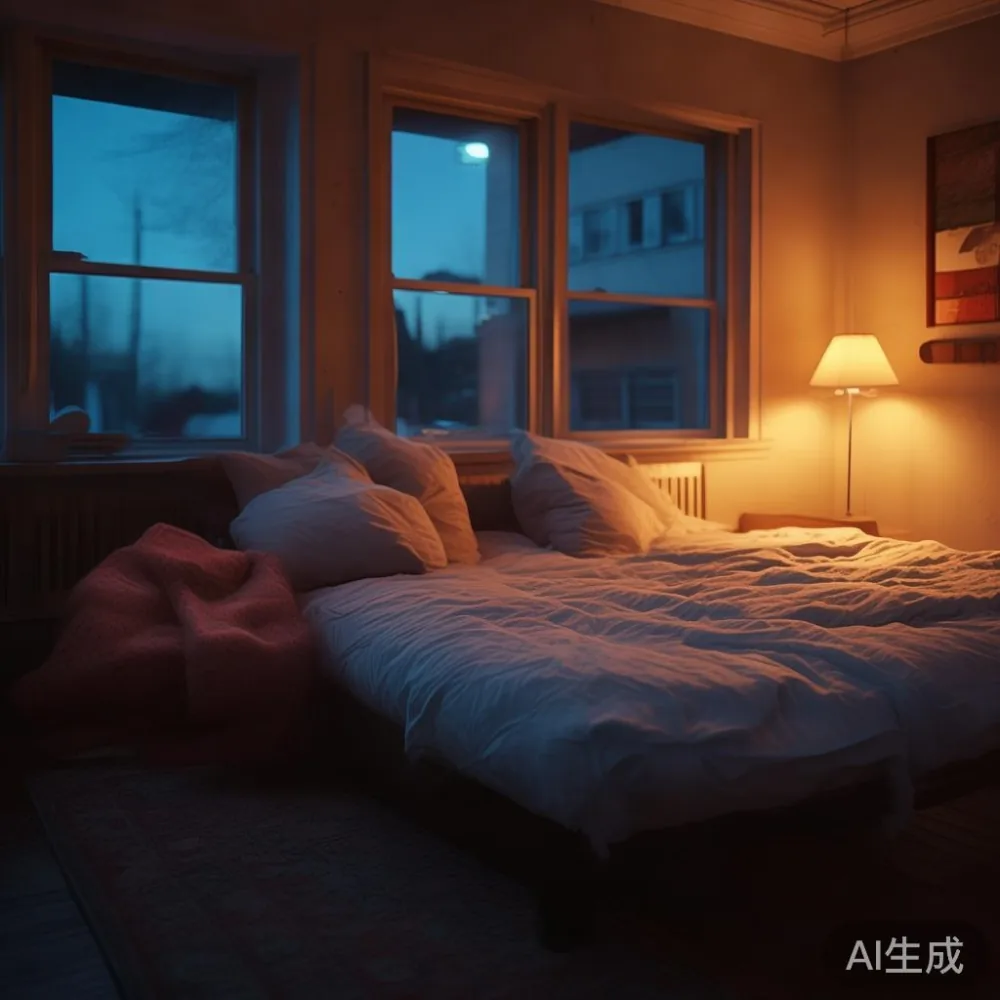
Seasonal and Daily Care Routines
A consistent care routine will make all the difference. During Singapore's wetter months, typically from November to January, you might need to increase your vigilance. A daily habit of quickly wiping down your sofa bed with a dry microfiber cloth removes dust and prevents it from settling into any microscopic imperfections in the lacquer. For a deeper clean, which should be done monthly, use the damp cloth method. Always wipe in the direction of the wood grain to avoid creating streaks. For a truly brilliant shine, you can use a specialized high-quality furniture wax designed for lacquered surfaces. Apply a very thin layer with a soft cloth, let it sit for a minute, and then buff it off thoroughly with a clean, dry cloth. This should be done no more than once every three to six months, as over-waxing can dull the finish over time. My colleague, who recently moved into a new Bedok HDB unit with a beautiful French light luxury sofa bed, learned this the hard way when a thick layer of wax left his finish looking rather dull until he spent a full afternoon meticulously buffing it out.
Preventing Damage: Spills and Scratches
Accidents happen, but a quick response can prevent permanent damage. If a spill occurs on your lacquered sofa bed, act immediately. Use a clean, dry cloth to blot up as much of the liquid as possible. Do not rub, as this can spread the stain and potentially scratch the surface. For water rings, which are common from cold drinks, a solution of equal parts baking soda and non-gel toothpaste can be gently rubbed into the mark with a soft cloth, followed by a wipe with a damp cloth and then a dry one. For stubborn stains, a small amount of rubbing alcohol on a cotton ball can be effective, but again, test it on a hidden spot first. To prevent scratches, use coasters under all glasses and mugs. When placing items on the sofa bed, ensure their bases are smooth. Avoid dragging heavy objects across the surface; instead, lift them. This is particularly important when converting your sofa bed from a sofa to a bed, as the mechanism itself can be a source of abrasion if not handled with care.
The Long-Term View: Refinishing and Warranty
Even with the best care, a lacquered finish will show signs of wear over many years. This is where the value of a high-quality product and a strong warranty becomes evident. A reputable manufacturer understands that furniture is a long-term investment. For instance, a brand established in 2008 that exports to 15+ countries often stands behind its craftsmanship with a 10-year structural warranty. This covers the integrity of the frame and joinery. Beyond structure, many premium brands offer a lifetime refinishing service. This means that if the lacquer becomes damaged or worn out over decades, you can send the piece back to the workshop to be professionally stripped and refinished to its original glory. This service is typically offered for a fee, but it ensures your solid wood sofa bed can be restored rather than replaced. When considering a purchase, especially for a piece that will be a central feature of your living room, this long-term commitment is a key factor. The initial investment in a well-made piece with such a guarantee protects your purchase for a lifetime, far exceeding the 7% GST you pay upfront.
Integrating Care into Your Singaporean Home
Caring for your furniture doesn't have to be a chore. It can be a simple part of your daily life. The principles of protecting your lacquered sofa bed—avoiding direct sunlight, managing humidity, and using gentle cleaning methods—are applicable to all the furniture in your home. Whether it’s your dining table, wardrobe, or nightstand, a consistent approach will preserve their beauty. The idea of creating a cohesive, light-filled living space is a popular design choice in Singapore. Many homeowners seek out European light luxury for small living room solutions, which often feature clean lines and high-gloss finishes that require the same meticulous care as your sofa bed. The concept of designer light luxury furniture is about creating an environment that feels both sophisticated and comfortable. This might mean pairing your sofa bed with a marble table for a stunning contrast of textures or finding a wardrobe with a complementary lacquered finish. The goal is to create a harmonious look throughout your home, from the living room to the bedroom. For example, finding a piece of under 2000 Vintage furniture or for sale Industrial furniture can add a unique character, but it should still be cared for with the same respect for its materials. Ultimately, the care you provide is an extension of the care you take in curating your living space.
When selecting a dining set, the focus is often on the table and chairs. A light luxury for dining room approach might involve a solid wood dining table with a striking marble inlay, complemented by sleek, comfortable chairs. The same principles apply: keep the table away from heat sources and wipe up spills promptly. The investment in quality furniture, like a well-crafted MIDHILL dining table, is an investment in your home's aesthetic and functionality. It’s about choosing pieces that not only look beautiful but are also built to withstand the test of time and the specific conditions of your Singaporean home. Whether you live in a compact HDB flat or a spacious condo, the right furniture, cared for properly, becomes a part of your family's story, enduring for generations.