How to Choose the Right Sofa Bed for a Singapore HDB Living Room
I still remember walking into a 4-room HDB flat in Tampines last month with my tape measure. The owner had bought a 240 cm sofa bed online, certain it would fit. It did not. The corridor pivot at his front door was just 110 cm wide, and the sofa would not make the turn. We had to return it, lose the S$120 delivery fee, and start over. If you live in a Singapore HDB flat or a compact condo in Punggol or Bedok, that story is your story waiting to happen. Sizing a sofa bed for an HDB living room is not only about the room itself. It is about the lift, the corridor, the doorway, the stairhead, and the way the piece has to bend, pivot, and slide through a building that was never designed for furniture this large.
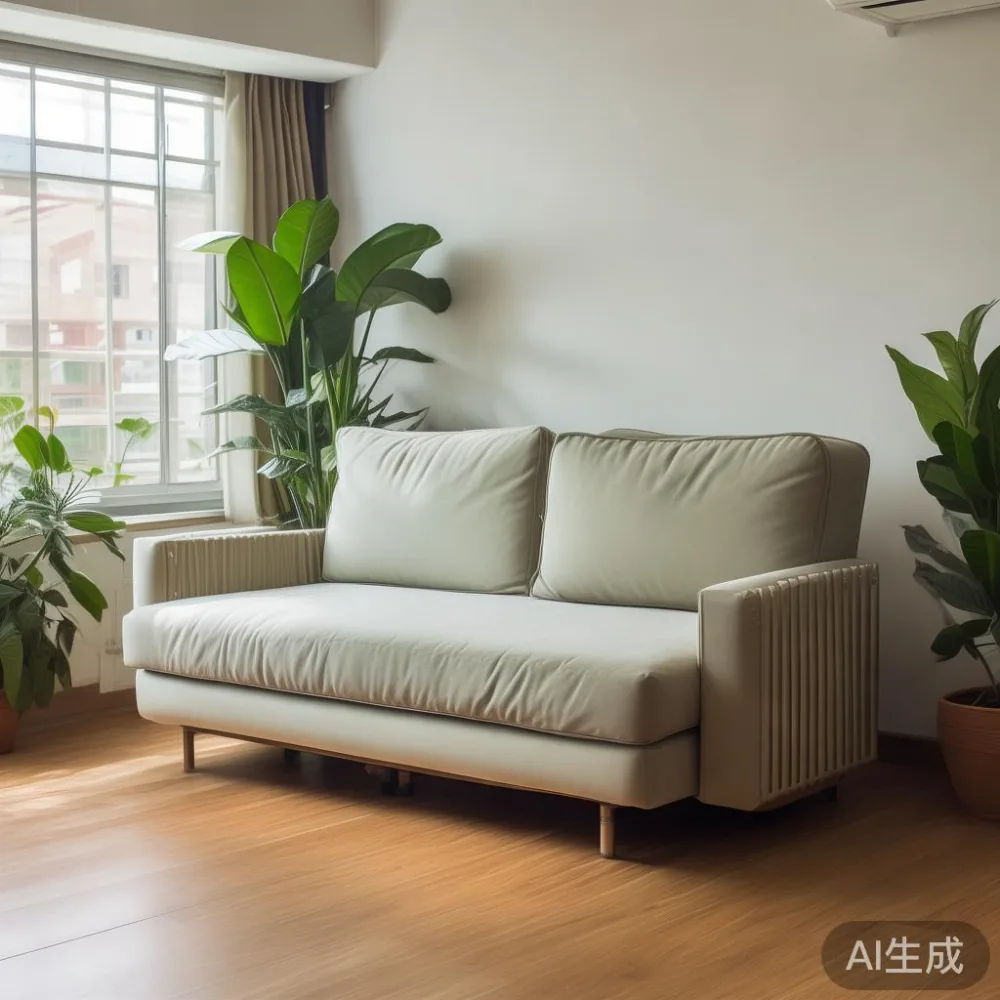
What sofa bed sizes actually work in a Singapore HDB living room?
For a typical HDB living room of about 18 to 22 sqm, a 180 cm to 210 cm three-seater sofa bed is the sweet spot. Anything below 170 cm feels cramped for two adults sitting, and anything above 220 cm starts to fight your TV console, your dining table, and your walking paths. Most HDB doorways are 90 to 95 cm wide, most corridor widths inside the flat run from 100 to 130 cm, and standard passenger lifts in HDB blocks have an inner depth of about 135 cm with a door opening near 80 to 90 cm. Those three numbers quietly decide everything. Measure the narrowest point on the route from the lift lobby to your living room wall, and then subtract 8 to 10 cm for packaging, wrapping, and the angle your delivery crew will need to take. That is your real maximum sofa bed length.
At MIDHILL, the solid wood sofa bed line ships in three standard sizes: 150 cm (compact two-seater, around S$1,680 ex-GST), 190 cm (mid-size three-seater, around S$2,250 ex-GST), and 210 cm (full three-seater, around S$2,650 ex-GST). Every frame is kiln-dried solid wood rather than plywood or MDF, which matters in Singapore because plywood sofas tend to warp after two or three humid monsoon seasons. A solid wood sofa bed weighs more (around 65 to 95 kg depending on size), so make sure the lift in your block can handle the load. Most HDB lifts are rated at 630 kg or 1000 kg, so you are fine, but it is worth a glance at the sticker inside the cabin.
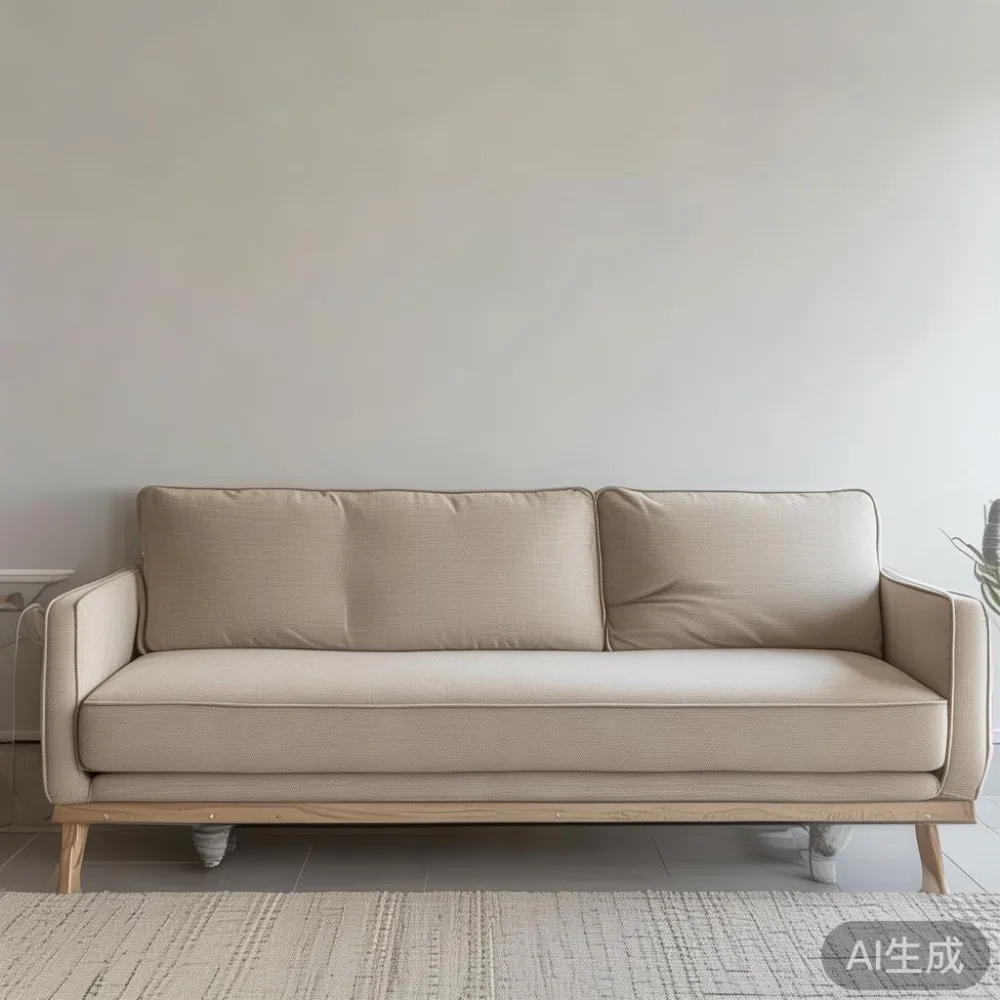
Will a sofa bed fit through my HDB lift and corridor?
Yes, usually, but only if you check three numbers before you buy. Lift depth, lift door width, and the corner radius of your corridor at the lift landing. Take a photo of the lift data plate, measure the inside of the cabin with a soft tape, and then walk the route with a measuring tape to find the tightest point. I have personally seen a 200 cm sofa bed refuse to enter a lift in a Bedok block because the door was the older 70 cm type. That sofa ended up being hoisted up the service staircase, which added S$180 to the bill and two hours of drama. If your block has one of those older lifts with a narrow door, consider a sofa bed that ships in two boxes under 180 cm each instead of one long carton.
Modern HDB lifts at newer estates in Punggol generally have 80 to 90 cm door openings and cabin depths close to 150 cm, which is plenty for a flat-pack sofa bed. If you live on a high floor above the 25th, double-check the lift size as well. Some blocks run a smaller service lift to the upper sky gardens. The next question is whether the corridor lets the sofa bed rotate. A standard HDB corridor is 1.2 to 1.5 m wide, and most sofas need at least 1.1 m of turning radius. If you live on a stack where the corridor narrows at the lift lobby, you are back to a smaller sofa or a two-piece delivery.
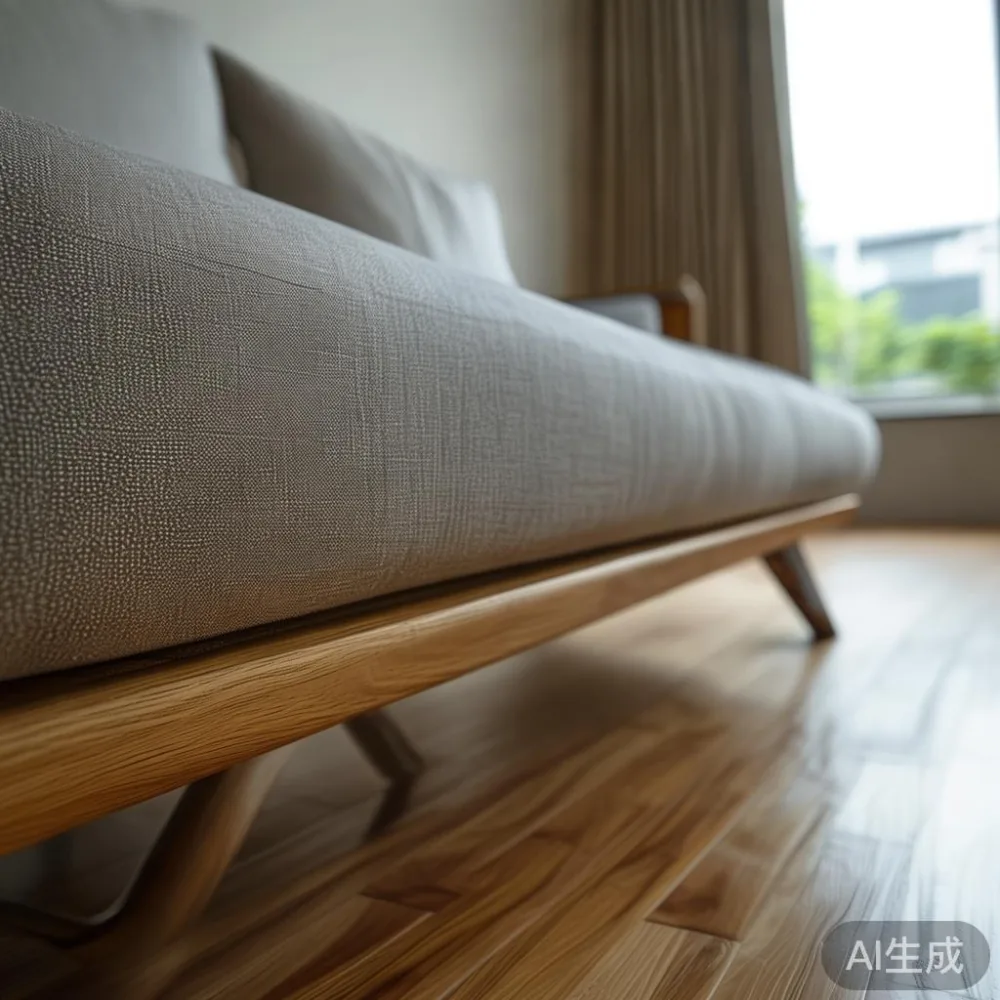
How do I measure my HDB living room before buying a sofa bed?
Start with the wall where the sofa will sit. Measure the full length, then subtract 20 cm on each side so the sofa does not crowd the walls. Note where the air-con ledge is; it usually eats 25 to 35 cm of ceiling space and sometimes intrudes on the wall plane. Measure the height of the room too; HDB living room ceilings are about 2.4 to 2.6 m, so a tall backrest above 95 cm will start to feel heavy. Then measure the depth of the room after you subtract the depth of your TV console, your coffee table, and any existing dining table. A sofa bed pulled open eats an extra 95 to 110 cm of floor space in front, so make sure the open position does not crash into the coffee table.
Draw it on paper, or use a free floor-plan app. Most Singapore homeowners forget to factor the air-con piping along the window wall, which sits around 15 cm deep. A French light luxury sofa bed with a high back and rolled arms will use 95 to 100 cm of wall depth, while a post-modern light luxury sofa bed with a low back and clean lines will use only 80 to 85 cm. If your room is on the small side, the low-back profile gives you back a full 15 cm, which is the difference between a comfortable walkway and a tight squeeze.
What is the difference between Japandi bed frame and modern furniture?
The difference between a Japandi bed frame and modern furniture comes down to three things: proportion, material honesty, and how much negative space the design keeps around the piece. A Japandi bed frame borrows the low, platform-style silhouette of Japanese futon culture and pairs it with the warm, light oak tones of Scandinavian design, which is why so many Singapore homeowners pair it with a matching solid wood dining table and a clean wardrobe. Modern furniture, by contrast, leans taller, more architectural, and often pushes higher contrast through darker stains, metal accents, or marble table tops. When you choose a sofa bed, this same logic applies. A Japandi-inspired sofa bed uses a low armrest around 55 to 60 cm, plain solid wood legs around 12 cm tall, and a mattress thickness around 10 cm. A modern sofa bed uses a thicker seat, a deeper cushion around 18 to 22 cm, and a stronger back cushion that looks closer to a traditional sofa.
For an HDB living room, the Japandi approach usually wins on comfort and airiness. The frame sits visually lower, the eye reads the room as taller, and you gain usable floor space. The modern approach wins if your room is bigger, above 25 sqm, and you want the sofa bed to act as a stronger visual anchor alongside a stone-top dining table or a feature marble table. The sofa bed frame itself can be either style, but the mattress choice, the leg height, and the armrest height decide how heavy the piece will feel in the room. Pick the frame style first, then match your nightstand and wardrobe to it, so the whole bedroom or guest corner reads as one intentional design.
Can a sofa bed replace a real bed for guests in an HDB flat?
For short stays of one to two weeks, a good sofa bed with a pocket-sprung or latex mattress (around 12 to 14 cm thick) is genuinely comfortable. For longer stays, a sofa bed works as a daily sleeper only if the mattress is at least 12 cm thick and supported by slats rather than a single flat board. The difference is night and day. I tested a MIDHILL solid wood sofa bed with a 14 cm hybrid mattress for a month in a friend’s Punggol condo, and a 70 kg adult on it for ten nights reported better sleep than on the polyester-foam sofa bed he had owned for three years. The slatted frame lets the mattress breathe, which is important in Singapore humidity between 75 and 90 percent RH.
If you plan to use the sofa bed nightly, look for a model where the mattress folds in three sections rather than two. Three-fold designs sit flatter and have fewer creases in the middle. Two-fold designs often leave a noticeable ridge at the fold line that you can feel at night. Pair the sofa bed with a proper pillow topper around 4 cm thick, and you have a guest bed that rivals a regular single bed frame. The benefit for HDB owners is clear: you keep a daytime living room, you gain a nighttime bed, and you do not have to dedicate a full second bedroom to a guest room that sits empty 340 days a year.
How do I keep a solid wood sofa bed from warping in HDB conditions?
Singapore humidity is the real enemy of any solid wood sofa bed, bed frame, or wardrobe. Run a dehumidifier to keep the room below 65 percent RH, and avoid placing the sofa bed directly under the air-con where cold air drips onto the wood. Wipe spills within ten minutes, especially coffee, soy sauce, and teh tarik, all of which can stain lighter oak finishes in under an hour. Rotate the seat and back cushions every two weeks so the foam wears evenly and the fabric fades evenly across the surface.
MIDHILL finishes each solid wood sofa bed with a six-layer catalyzed lacquer that resists humidity for roughly seven to ten years before a refinish is needed. The lifetime refinishing service the brand offers means you can send the sofa back to the Foshan workshop after five or six years and have it stripped, re-stained, and re-lacquered for a fee around S$280 to S$420 depending on the work, which works out far cheaper than replacing the sofa bed. The 10-year structural warranty covers frame cracks, joint failures, and slat breakage, which are the parts that actually fail first on cheaper imported sofa beds. Stick to these habits and a solid wood sofa bed will outlast two or three cheaper alternatives, even in a Tampines or Bedok flat that gets strong afternoon sun through the west-facing window.
What about delivery timelines, GST, and shipping for sofa beds to Singapore?
From Foshan to a Singapore HDB flat, sea freight takes around 14 to 21 days, plus another 3 to 5 days for last-mile delivery and assembly. Most customers receive their sofa bed within 18 to 26 days of order, which is comparable to local furniture lead times once you add the 4 to 6 weeks many Singapore showrooms quote for made-to-order pieces. Sea freight keeps the price manageable, and MIDHILL offers free shipping above US$350, which every sofa bed on the line clears comfortably. The 9 percent Singapore GST is included in the checkout total when you order through the regional site, so the price you see is the price you pay, with no surprise customs line.
Returns are accepted within 14 days for unused pieces in original packaging, which covers the common case of a sofa bed that simply does not fit the lift or the corridor. Two-piece construction is the safety net: if your block has a tight lift or a narrow stairhead, ask the sales team to ship the sofa bed in two boxes under 180 cm each rather than one long carton. This small request saves hours on delivery day and removes the risk of a failed fitting. A well-sized sofa bed turns a small HDB living room into a flexible space that hosts family, friends, and the occasional month-end sleepover, without giving up the clean lines of a properly designed home.