Caring for a Lacquered Sofa Bed in Singapore’s Tropical Climate
Humidity is not automatically a problem for a lacquered sofa bed, but it demands a more considered routine than a dry, temperate showroom suggests. In Singapore, a polished surface may meet 80–90% relative humidity, warm air, salt from the sea, and air-conditioning that switches the moisture level several times in one day. A lacquered finish can remain attractive for years when dust, standing water, heat, and harsh cleaning products are kept away from it.
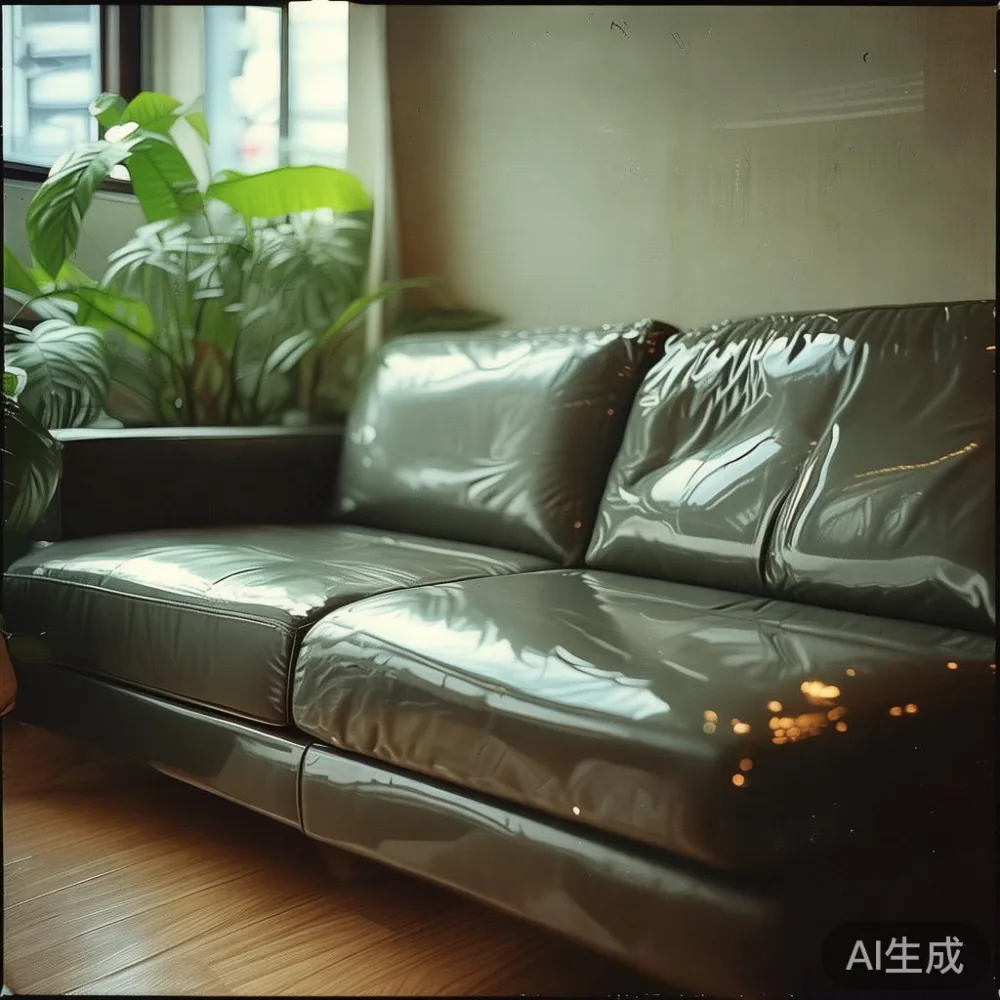
This guide explains how to care for a lacquered surface in a tropical climate, with practical measurements for HDB flats and condos in Tampines, Bedok, and Punggol. It is written for owners of a lacquered sofa bed, whether the finish is high-gloss, satin, or a softer brushed lacquer. The principles also apply to coordinating pieces such as a solid wood bed frame, dining table, wardrobe, nightstand, or marble table, although natural stone, timber, and lacquer each have different tolerances.
Why does lacquer react to Singapore humidity?
Lacquer is a cured surface coating, not a thick sheet of plastic. The thin film may flex slightly as timber moves beneath it. In a typical HDB flat, indoor readings can shift from about 58% relative humidity in the afternoon to 72% near a balcony after rain. A west-facing condo unit can exceed 32°C indoors during the afternoon, while an air-conditioned room may fall to 23–25°C.
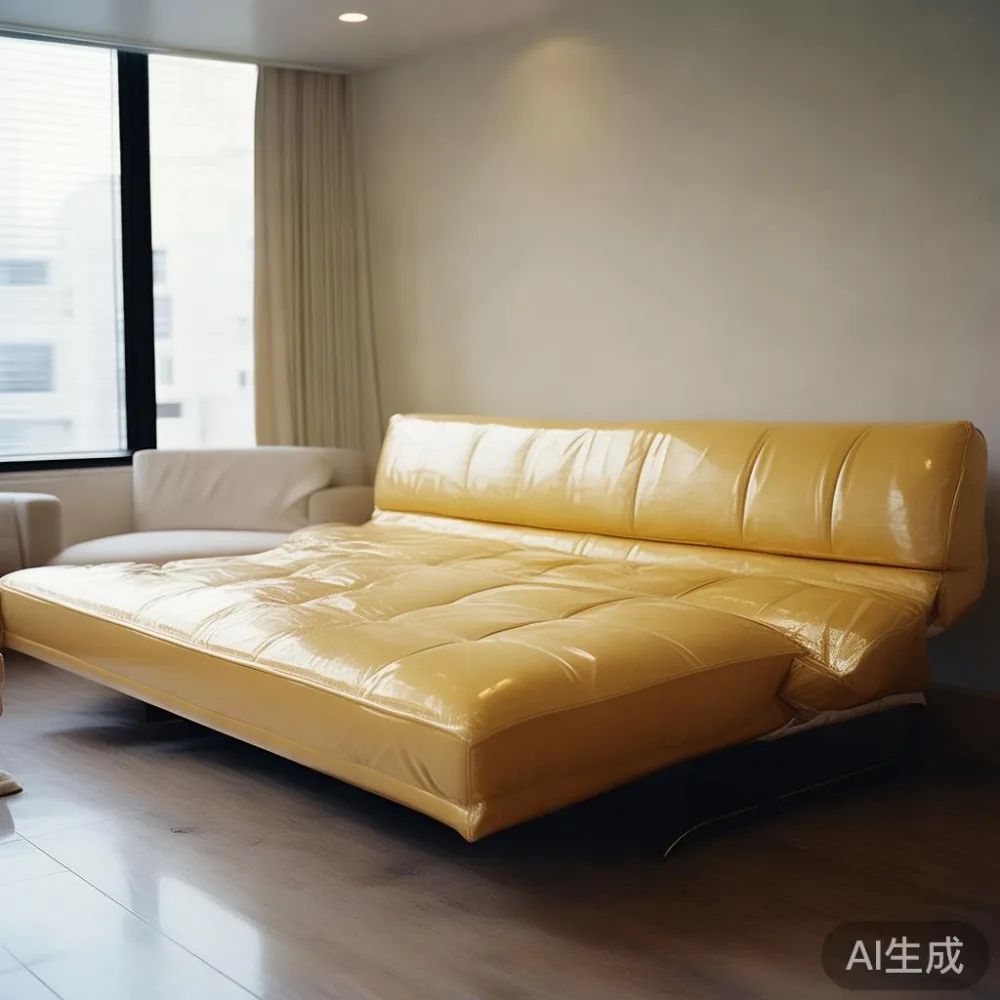
Those repeated changes matter more than one humid afternoon. The timber underneath a lacquered sofa bed can expand and contract as it absorbs and releases moisture. Good quality control reduces visible movement, but no factory can prevent every seasonal change in a wooden product. A stable room, sensible ventilation, and prompt wiping of condensation are more useful than waiting for a blemish to appear.
Direct salt spray is a separate issue. If the sofa bed is placed near an open window in Bedok or beside a condominium balcony, airborne particles can settle on the lacquer. Keep the product at least 60 cm from an open window and 90 cm from a balcony door when possible. Do not place it against a wall that feels cold and damp; leave 4–5 cm of ventilation space behind the back.
For buyers comparing finishes, remember thatlacquer colour samples should be assessed under the actual lighting of the home. A sample viewed at MIDHILL’s showroom under neutral light may look cooler than the same finish beside a warm LED lamp at home. Request close-up photographs in daylight and at night before confirming a pale grey, cream, black, or wood-toned lacquer.
How should I clean a lacquered sofa bed?
Use a three-stage routine: dust, wash, and dry. For weekly dust removal, use a clean microfibre cloth or a soft brush with natural bristles. Vacuum upholstery first with a brush head and a suction level below the maximum, generally around 12–15 kPa on a handheld unit. Keep the vacuum nozzle 2 cm above the fabric and avoid spinning it against lacquered panels.
For the lacquer, mix 100 ml of mild pH-neutral dish detergent with 2 litres of lukewarm water. The ideal water temperature is 25–30°C; very hot water can soften some sealants, while cold water mixes poorly with oily residue. Dip a fresh microfibre cloth into the solution, wring it until it is only damp, and test a concealed 10 cm × 10 cm area for 24 hours.
Wipe with light pressure in the direction of the grain or coating sheen. A lacquered sofa bed should not be scrubbed, because circular motion can create visible swirl marks. Dry immediately with a second clean cloth. Never leave soapy liquid in a joint, around a hinge, or beneath a removable panel.
A few substances need particular care:
- Water rings: Blot rather than rub. If a ring remains, use a barely damp cloth, not a wet one, and finish with a dry cloth.
- Fingerprint oil: Use the diluted detergent solution, then dry. A dry cloth alone may spread the oil into a wider haze.
- Dust with fibres: Lift loose material with a soft brush before damp cleaning so it does not scratch.
- Spills: Remove liquid within 5 minutes. Blot from the outside of the spill towards the centre with white paper towel.
Do not use bleach, ammonia, alcohol, acetone, abrasive powder, silicone polish, furniture wax, or an “all-purpose” cleaner containing strong solvents. Do not apply a commercial glass cleaner to lacquer; residue can leave a patchy surface. Never use steel wool or a scouring pad on a lacquered sofa bed.
How often should a lacquered surface be protected?
Clean the lacquer every 1–2 weeks in a busy home and every 2–4 weeks in a low-traffic room. Dust the upholstered sections weekly, and inspect high-touch areas monthly. Pay attention to the 0–40 cm zone above a dining table, near a study desk, or beside a frequently handled side panel.
Polish only when the manufacturer allows it. Some modern lacquers need no added polish; repeated applications can create a sticky film that traps dust. If the original care instructions specify a product, apply about 2 ml to a folded 20 cm × 20 cm microfibre cloth and treat a 30 cm × 30 cm test panel first. Buff for 30–60 seconds only if the approved product does not haze.
Move the sofa bed away from heat sources. A floor lamp should be at least 45 cm away, and a halogen or halogen-equivalent bulb should never shine directly onto the finish. Place an insulating mat beneath a hot mug rather than assuming the lacquer can tolerate 60°C. Use a coaster with a base of at least 8 cm × 8 cm and a 2–3 mm lip.
For dining areas, a separate glass or marble table can protect the lacquered surface of a console. If comparing silhouettes, the phrase Modern light luxury dining table appears often in design searches, but the practical point remains simple: dining-table heat, juice, and cutlery should stay away from the sofa bed’s lacquer.
What should I do if the lacquer develops haze, scratches, or peeling?
Haze is often a cleaning residue rather than a deep coating failure. First, repeat the diluted detergent method and dry with a clean cloth. If haze remains, ask the finish supplier or MIDHILL for the approved corrective procedure. Do not experiment with lighter fluid, nail-polish remover, or an abrasive polish, even if a product has been recommended for another finish.
Fine scratches may respond to careful correction approved by the supplier. Deep scratches that expose timber, lifting edges, or a cluster of bubbles indicate a different problem. Photograph the area with a ruler for scale, note the room’s humidity reading, and contact MIDHILL. Their 10-year structural warranty addresses structural defects; surface-care instructions and the precise finish treatment should still be confirmed in writing for the individual product.
Peeling should never be covered with tape or coloured correction fluid. Do not apply oil or furniture wax to exposed wood. Keep the area dry, reduce direct airflow from an air-conditioner, and arrange an assessment. Avoid dragging the sofa bed into another room when a panel is lifting, because pressure on the loose edge can enlarge the damaged area.
Minor surface wear can sometimes be managed through refinishing, though lacquer colour matching is affected by age, light, and previous cleaning. MIDHILL’s lifetime refinishing service is one reason to keep purchase records and the original finish sample. Before any refinishing request, provide photographs of the complete front, back, sides, and underside, plus a close-up showing a 5 cm reference section.
How can I keep the sofa bed stable through transport, conversion, and storage?
Lacquer care continues after delivery. Measure the lift door, lift car, corridor, staircase, and bedroom opening before a large piece is moved. For a typical Singapore HDB access, a lift car may measure roughly 110 cm × 140 cm, but older blocks and different lift models vary. A corridor of 90–110 cm can accommodate a carefully angled sofa bed, while a tight turning point may require more space than its narrowest width suggests.
Protect corners with 2–3 mm foam and wrap them in non-abrasive felt. Secure loose cushions and conversion hardware in labelled bags. Lift by the structural base rather than by the lacquered back or arm. For a two-person installation, keep each person’s working load below 15–20 kg where possible, follow the manual, and use a furniture dolly rated above the product’s total weight.
Singapore delivery commonly takes 7–14 working days after confirmation, though building access, production schedules, and surcharges can change the timing. Confirm whether the quoted SGD price includes delivery to the unit level, assembly, lift reservation, and GST. MIDHILL offers free shipping over US$350, but Singapore customers should still request a local SGD quotation so taxes, access charges, and the delivery scope are clear.
For a move to Punggol or a condo with a managed loading bay, reserve the lift for at least 45–60 minutes. Take photographs of the lacquer and upholstery before and after transit. If the finish was damaged in transit, document the packaging, delivery note, and installation date promptly rather than waiting for the next cleaning cycle.
Should I choose a lacquered sofa bed or a solid wood frame?
A lacquered finish offers a crisp, reflective surface that suits French light luxury, American light luxury, and post-modern light luxury interiors. It can make a compact sofa bed look visually light, particularly in an HDB living room where a full-size bed would occupy 3–4.5 square metres of floor area. Solid wood, especially well-seasoned hardwood, provides warmth and visible grain but may be more affected by moisture-related movement than a well-applied lacquer system.
Buyers comparing European light luxury sofa vs Modern sofa designs should focus on finish, function, and room dimensions rather than labels. A pale lacquer can fit a cool white condo interior, while natural timber may complement a warm neutral scheme. If the sofa bed converts into a bed, check the sleeping width, mattress height, and mechanism clearance; visual style matters little if the folded depth leaves a narrow sleeping platform.
For a low, tailored profile, searching for the best Scandinavian sofa for 2026 can be useful, though “Scandinavian” should not be allowed to obscure foam density, timber species, hardware, and warranty terms. Ask for the frame construction, plywood or solid-wood components, finish layers, conversion dimensions, and care instructions.
Japanese design offers another useful reference, and a search for how to choose Japanese bed is relevant when planning a flexible guest room. Confirm the mattress dimensions, floor clearance, and daily conversion effort. If the sofa bed serves both seating and sleeping, test it for 10 minutes each morning and evening; a mechanism that feels heavy on day 2 may disappoint by month 6.
Other material comparisons are equally practical. An American sofa vs Japandi sofa distinction often comes down to proportion, comfort, and visual weight. A solid wood dining table benefits from coasters and stable humidity, a wardrobe should have a 2–3 cm rear ventilation gap, and a nightstand should use felt pads beneath its legs. A marble table needs its own pH-neutral cleaning method; do not transfer its stone cleaner to lacquer.
For coordinated planning, a MIDHILL dining table, wardrobe, nightstand, or bed frame can establish a consistent material language. Ask for physical finish samples and retain them for future touch-ups.
What care routine suits a Tampines, Bedok, or Punggol home?
A practical tropical routine can be simple without becoming neglectful. Keep a hygrometer near the sofa bed, ideally at seating height and away from a window. Aim for 45–65% relative humidity where the building allows it, with a temperature range of about 24–28°C. This is a comfort and preservation target, not a reason to run air-conditioning in an unoccupied room all day.
Inspect the lacquer monthly for fingerprints, sticky patches, edge lifting, and colour change. Vacuum the upholstery every 7 days. Wipe lacquer surfaces every 14 days in a busy HDB flat and every 28 days in a quiet condo. After rain, check balcony-facing panels every 2–3 days for condensation. Use a digital moisture meter to monitor timber zones that are concealed; readings above roughly 12–14% require investigation, although readings vary by species and measurement method.
Airflow should be gentle. A fan set to low or medium, positioned 1–2 metres away, dries a damp surface without forcing dust into joints. If a musty smell appears within 30 minutes of cleaning, stop adding moisture and ventilate the room for 1–2 hours.
For broader bedroom planning, the guide on how to style American wardrobe in bedroom can help with proportions, but preserve access to skirting boards and service panels. Leave at least 60 cm in front of wardrobe doors and 80 cm along a main circulation route where possible. A nightstand should sit within 40–60 cm of the bed edge, and its lamp should have an LED bulb rated below 25°C at the shade surface.
Acclimatise a new solid wood bed frame before installing it in a room with very different humidity. Leave the packaging open in a ventilated area for 24–48 hours if the instructions permit, and do not trap the product against a cold wall. For any lacquered sofa bed, keep new packaging away from direct sunlight until the finish has been checked for transit marks.
How can I make a lacquered sofa bed fit a compact Singapore home?
Measure the room in centimetres, then work from clear dimensions. A sofa bed with a 180 cm × 200 cm sleeping area needs more floor space than a 140 cm × 200 cm model, but the seated width can still fit a 280 cm living-room wall. Allow 75–90 cm for a main walkway, 60 cm between the sofa bed and a coffee table, and 30–45 cm in front of the conversion mechanism where the front panel must be pulled out.
Choose a low-profile frame if the ceiling height is 240–250 cm, and avoid placing a tall floor lamp directly behind the headboard. Coral, warm grey, pale taupe, and soft off-white can balance Singapore’s strong light, while deep charcoal can create a deliberate contrast. Test paint and timber samples in the room because evening lighting changes their appearance.
Do not use a lacquered surface as a workbench, dressing table, or snack station unless a protective mat is placed beneath the item. Keep pens, keys, chargers, and pet bowls off the finish. A pet’s claws can scratch lacquer faster than humidity can, so add a 2 mm protective mat where a cat regularly climbs near the arm.
Regular, restrained care preserves the reflective finish without turning the sofa bed into a fragile display object. Maintain stable indoor conditions, clean with mild dilution, respond quickly to spills, and use the manufacturer’s approved treatment when a mark persists. That approach supports MIDHILL’s commitment to long-term furniture care while allowing a lacquered sofa bed to remain practical in a humid city home.